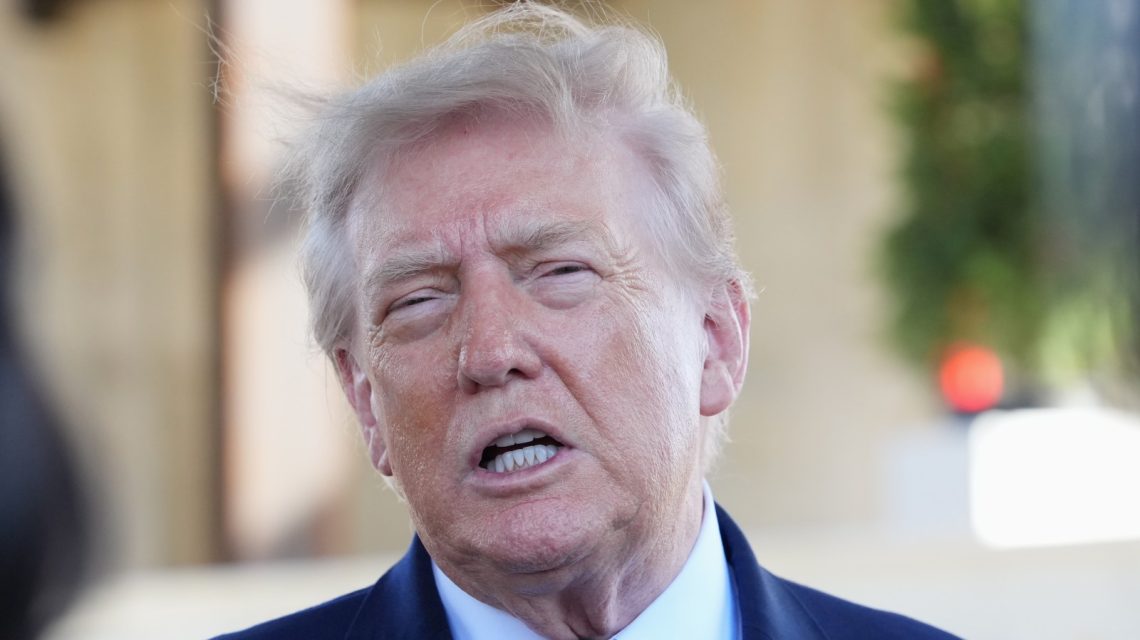
President Donald Trump has shed light on his decision to avoid making daylight saving time a significant political issue before the midterm elections. He expressed concerns about potential defeats for certain Republican senators.
In a post on Truth Social, the day following the midterms, Trump criticized the Senate’s failure to pass the Sunshine Protection Act, aimed at making daylight saving time permanent throughout most of the U.S. He lamented the early sunsets following the recent clock change, noting the darkness soon after 5 p.m.
“Too bad the Senate has not yet approved the Sunshine Protection Act or, the I Don’t Want to Change My Clocks Anymore Act,” Trump posted, observing how early nightfall occurred.
Trump explained he refrained from emphasizing this issue before the elections to avoid a landslide defeat for some senators. He did not specify the senators he believed were at risk. Following the midterms, Democrats celebrated substantial victories, affecting the balance of power in Congress as Republicans grappled with the political landscape.
Trump promised continued advocacy for the legislation, acknowledging larger priorities but committing to the cause.
When Did Daylight Saving Time End?
Daylight saving time in the U.S. concluded on Sunday, November 1, with clocks moved back by one hour at 2 a.m. local time. This transition marks a shift back to standard time, granting an additional hour of sleep while promoting earlier sunsets.
According to federal law, daylight saving time initiates on the second Sunday of March and ends on the first Sunday in November. In 2026, this period stretched from March 8 to November 1, as reported by the National Institute of Standards and Technology (NIST).
Most U.S. states participate, though Hawaii and parts of Arizona do not. Similarly, U.S. territories including Puerto Rico, Guam, and the U.S. Virgin Islands do not observe daylight saving time. The bi-annual clock changes continue to spark debate over sleep and routine disruptions.
What Is the Sunshine Protection Act?
The Sunshine Protection Act proposes the permanent adoption of daylight saving time in most of the U.S., removing the need for bi-annual clock adjustments. Despite bipartisan support, its effects have spurred debate and stalled its passage.
Republican Representative Vern Buchanan of Florida introduced H.R. 139 in January 2025. The House passed it on July 14, 2026, with a vote of 308-117, but it has stagnated in the Senate, sent to the Committee on Commerce, Science, and Transportation.
Trump has urged further action, citing benefits such as increased evening daylight and less disruption from clock changes.
Will Daylight Saving Time End Permanently?
Daylight saving time will persist unless legislative changes occur. In March 2022, the Senate approved a prior version of the Sunshine Protection Act, but a lack of House approval prevented it from becoming law.
Trump supports the update, which requires Senate approval for any federal changes. Post-midterm shift in Congress, with Democrats gaining control, Trump’s push for the act faces a challenging deadline.
There is some legislative support, but Democrat consensus varies on the issue.
What Has Donald Trump Said About Daylight Saving Time?
Trump has consistently backed the cessation of clock changes in favor of permanent daylight saving time. He recently criticized the Senate’s inertia, particularly targeting Republican Senator Tom Cotton of Arkansas, an opponent.
“If Tom Cotton were putting Arkansas first, he would give them an extra hour of daylight and minimize clock changes,” Trump stated, urging Arkansas residents to pressure Cotten into supporting the bill.
Cotton responded, seeing that while clock changes are unpopular, school hours in darkness aren’t ideal.
Trump emphasized the benefits of more afternoon daylight for various outdoor activities and cited PGA Tour CEO Brian Rolapp’s support, who endorsed the benefits for professional golf.
Which Agencies Oversee Daylight Saving Time Regulations?
The U.S. Department of Transportation (DOT) manages time zones and daylight saving time observance, ensuring compliance with federal standards. However, making daylight saving time permanent requires congressional action.
The National Institute of Standards and Technology (NIST), within the Department of Commerce, contributes to maintaining the national timekeeping system and provides daylight saving time rule information. Any alterations to this law necessitate congressional approval and the president’s signature.
 Trump Dismisses Third Impeachment Prospects
 Custody Dispute Involving Rep. Max Miller Delayed
 Attorney General Addresses Post-Midterm Democratic Threats
 Senator Elizabeth Warren and the Future of Crypto Regulation
 Bipartisan Opportunities in Foreign Policy
 Political Shifts and Concerns Post-Midterms