
President Donald Trump encountered setbacks during his initial term when he sought to alter the U.S. census. This decennial enumeration plays a crucial role in deciding congressional representation for each state. Recent developments suggest he has renewed and intensified efforts on this front. Despite these actions, he is likely to face defeat once more.
The debate revolves around potential changes for the 2030 count, significant because the 14th Amendment mandates an accurate tally, ensuring proportional representation. Excluding millions would present a straightforward violation of these constitutional guidelines.
These actions have revived a contentious issue, bringing with it legal and political repercussions. Observers note prior attempts have faced judicial scrutiny. Results in similar circumstances have not favored efforts to modify census protocols.
Critics argue that any attempt to undercount or misrepresent the population undermines fundamental democratic principles. Ensuring every individual is counted remains central to fair representation and allocation of resources by the federal government.
 The War on Poverty: A Lesson on Intentions and Outcomes
 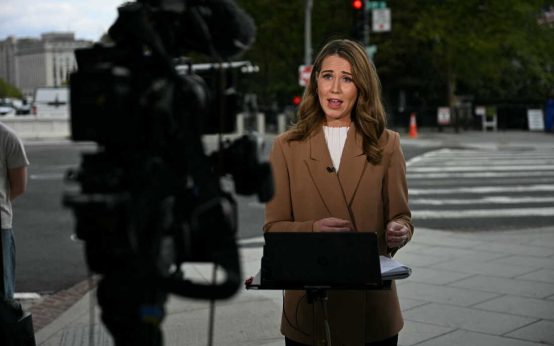 Reporters Blocked from White House by Trump Administration
  Universities Should Reject Political Influence on Research Funding
  Trump’s Approach to China: Trade Dynamics and Challenges
  Influencer Brothers Logan and Jake Paul Visit the Pentagon
 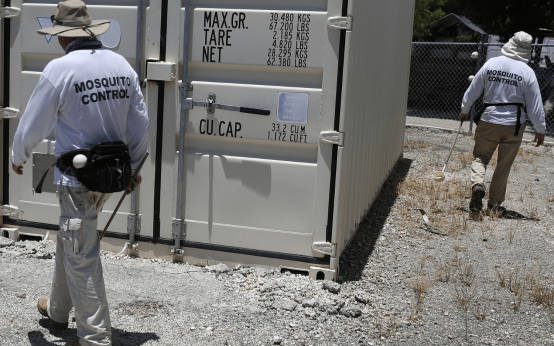 Florida Reports First Dengue Fever Death as Outbreak Expands