
Anniversary Celebration and Trump’s Influence
The 250th anniversary of America’s liberation from monarchical rule started with a rally on the National Mall, led by President Donald Trump. His image, displayed on banners across federal buildings, highlights his dominating presence in political life. His style has sparked debates on whether it resembles a monarchical approach.
Since his return to office in 2025, Trump’s actions have been contentious. He appointed a personal lawyer as attorney general, directed the Department of Justice against political adversaries, and utilized presidential powers for personal gain. He even tried to control media representation and sued news organizations critical of his administration.
Overshadowing Commemorative Activities
As July Fourth approaches, Trump plans another rally overshadowing congressionally backed celebrations marking the nation’s founding. His approach has reminded some of King George III, a comparison he refutes by stating, “I’m not a king.” Despite this, Trump’s presidency continues to spark discussions about imperial leadership.
Historian’s Perspective and Symbolic Interruptions
Princeton historian Julian Zelizer argues that Trump envisions the presidency distinctively, highlighting centralized power that founding principles once opposed. Notably, Trump flouted norms, displaying King’s visit with the caption “TWO KINGS.” This emboldened the opposition, which adopted the slogan “No Kings.”
Critics Highlight Concerns Over Trump’s Policies
Critics like Ezra Levin from Indivisible see echoes of historical tyranny in modern times. They point to the administration’s crackdowns, drawing parallels to past oppressive regimes. The fatal shootings of protesters during Trump’s immigration policies add fuel to this argument.
Presidential Power and Supreme Court’s Role
Trump often cites Article II of the Constitution to justify extensive presidential powers. Yet, he claims accusations of authoritarianism are unfounded. The Supreme Court’s conservative leanings have supported Trump’s expansive view of executive power, as seen in its rulings during his presidency.
Notable is the court’s decision to grant broad immunity, impacting investigations from his first term. Trump’s legal advocate argued for the unchecked authority of presidential acts, underscoring Trump’s belief in limited judicial constraints.
Financial Entanglements and Legal Actions
Trump’s financial ventures, including cryptocurrency operations, have raised ethical concerns. His settlements with the IRS over leaked tax returns showcase the intertwining of personal wealth and presidential responsibilities. Critics argue his financial ventures are the true hallmark of his presidency.
Using Power Against Political Rivals
Trump has reportedly used the Justice Department to pursue political foes, breaching the traditional separation between the White House and the Department of Justice. Public statements demanding action against adversaries such as James Comey have further fueled these concerns.
Critics, including California Governor Gavin Newsom, criticize Trump’s intertwining of public office with personal gains. The administration’s investigations into his critics exemplify this blend of personal and political power.
Report contributed to by Associated Press writers Lindsay Whitehurst and Fatima Hussein.
 A Mother’s Tragic Journey Under Abortion Ban
  U.S. Strategic Goals Remain Unmet Amid Prolonged Conflict
  The Impact of Arts and Closure on Democracy
 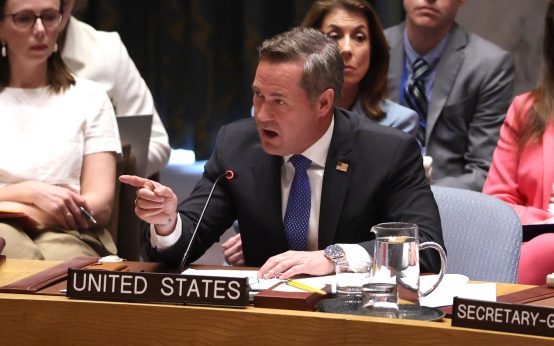 U.S. Ambassador Comments on Iran War Duration Amid Political Concerns
 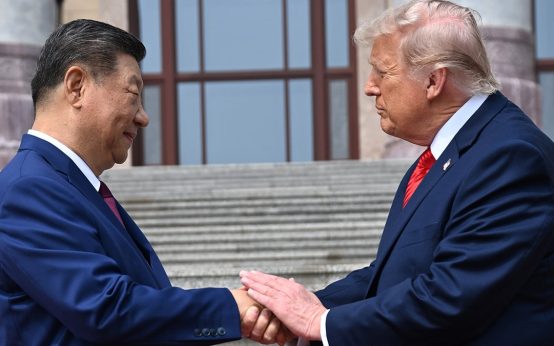 US-China Relations Under Scrutiny: Expert Warns of Escalating Tensions
  No Timeline for End of Iran Conflict