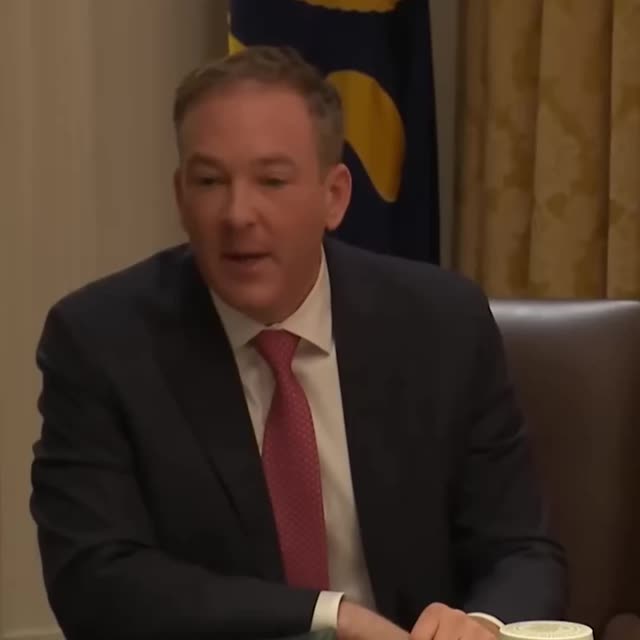
Historically, the cabinet has advised the president on various issues. During President Trump’s second term, the focus of these meetings shifted significantly. Cabinet meetings became platforms for praising Trump, often televised and lasting up to three hours. Members regularly credited him for departmental successes while also positioning themselves in the spotlight.
Cabinet members such as Zeldin, from the Environmental Protection Agency, and Loeffler, from the Small Business Administration, used meetings to express gratitude for Trump’s leadership. They characterized him as defending national values and hailed his role in global matters. The New York Times analyzed several hours of these meetings, noting praise as a constant feature.
White House spokeswoman Allison Schuster explained that the purpose was to emphasize accomplishments for Americans. Some members, like Secretary of State Marco Rubio and CIA Director John Ratcliffe, focused on accolades, while Vice President JD Vance often criticized Trump’s political opponents.
Meeting Rhetoric and Structure
In these meetings, flattery filled about one in every six sentences, often giving Trump credit or attacking opponents. Rubio stood out for his consistent praise, stating Trump made the U.S. business-friendly. Hegseth, from Defense, claimed Trump would prevent global conflicts. Vance frequently insulted political rivals, while others like Loeffler shared public gratitude for Trump.
Mr. Lutnick remarked five times on Trump’s unprecedented achievements, claiming completed tasks no one thought possible.
Compared to his first term, Trump valued loyalty more, with aides complimenting him more frequently. This term featured declarations of Trump’s leadership in ending global conflicts and enhancing U.S. defense capabilities, among other claims.
Roles of Key Members
Some cabinet members repeated Trump’s narratives about global security. Defense Secretary Hegseth and Rubio mirrored his claims about conflicts that wouldn’t occur under his leadership.
In discussions on various topics, from the Russia-Ukraine conflict to trade policies, members credited Trump’s unique abilities. This included him personally intervening in Sudan’s crisis, impacting U.S. energy policy, and influencing military and trade advancements.
Rubio emphasized, “There’s only one leader who can end the global conflict, and that’s our president.”
Cabinet Dynamics and Changes
Loyalty alone wasn’t enough to secure cabinet positions. This year saw four cabinet officials leave their posts, and more changes might occur. Praise and gratitude from members reaffirmed the administration’s focus on Trump-driven accomplishments, often exaggerated, but central to meeting discussions.
 JD Vance’s Mom Stands Up to Criticism
  Former Swimmer Criticizes Virginia Governor’s Decision on Female Sports Regulation
  Georgia’s Senate Race Highlights GOP Divide on 2020 Election Claims
  Justice Department Revives Gun Rights Restoration for Nonviolent Offenders
  Debate Over Data Centers Sparks Political Divides in American Communities
  Chancellor Merz Faces CDU’s Worst Election Results Amid Rising Far-Right Gains