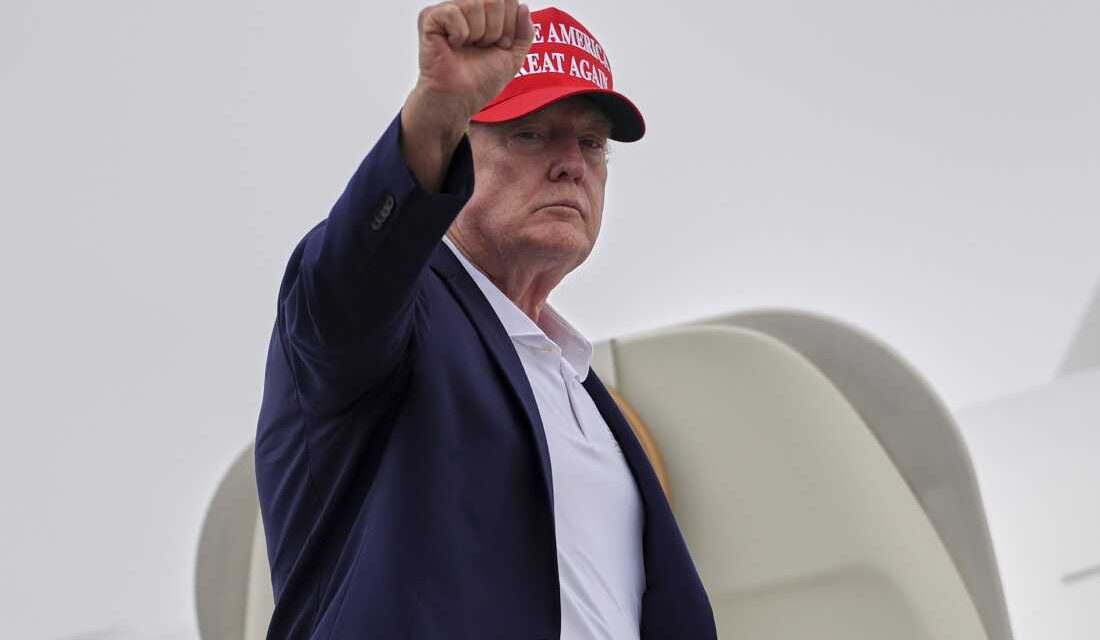
President Donald Trump announced a significant reduction in annual joint military exercises with South Korea. This decision was made public on Sunday as he boarded Air Force One at Morristown Airport. Trump cited South Korea’s reluctance to assist in the conflict with Iran and praised his positive relationship with North Korean leader Kim Jong Un.
In a social media post, Trump stated that the exercises, starting Monday, are costly and give the wrong signal to North Korea. He claimed North Korea has been ‘unthreatening and respectful’ during his presidency. He instructed Secretary of War, Pete Hegseth, to substantially reduce these exercises.
Additionally, Trump noted his request to South Korea’s president to join in the ‘denuclearization’ of Iran was declined. This move highlights a shift in focus towards North Korea, previously seen as an adversary by past administrations. Trump also criticized NATO allies over the lack of support in the Iran conflict, despite their efforts against Russia’s aggression in the Baltic region.
Background on Military Exercises
The U.S. military views the Ulchi Freedom Shield exercises, involving 18,000 South Korean soldiers over 11 days, as vital for readiness against North Korean threats. These drills reinforce the alliance’s role in maintaining regional peace and security. South Korean and U.S. forces were set to practice joint operations, including live-fire exercises and equipment distribution.
The exercises started as scheduled, days after North Korea resumed ballistic missile testing, violating U.N. sanctions. The North’s tests followed the detection of two ballistic missile launches, the first since June, landing in waters off its east coast.
Reactions and Regional Impact
Democratic Sen. Mark Kelly criticized Trump’s decision to cut back the exercises, calling it shortsighted. North Korea, meanwhile, threatened severe unspecified reactions against the U.S. and South Korea. It described the military drills as a ‘rehearsal for an aggressive war’ and a cause of regional instability.
Experts suggest North Korea uses these military drills as justification for increasing weapons testing, enhancing its arsenal to gain leverage in future negotiations. Kim Jong Un has pushed for a stronger nuclear and missile capability since his diplomacy with Trump faltered in 2019. He has indicated interest in resuming talks if the U.S. alters its stance on North Korea’s denuclearization.
Trump’s Stance Over Time
Trump’s decision aligns with his previous actions. During his first term, he referred to these drills as ‘provocative’ and vowed to stop them, citing financial savings. He conditioned their resumption on positive future negotiations.
Most recently, Trump shared a photo with Kim, mentioning their good rapport despite appearances. Trump’s past meetings with Kim focused on North Korea’s nuclear ambitions. Despite setbacks, Trump remains interested in continuing discussions, contingent on revised U.S. policies regarding North Korea.
 Federal Crackdown on Medicaid Fraud in NYC Senior Care Centers
 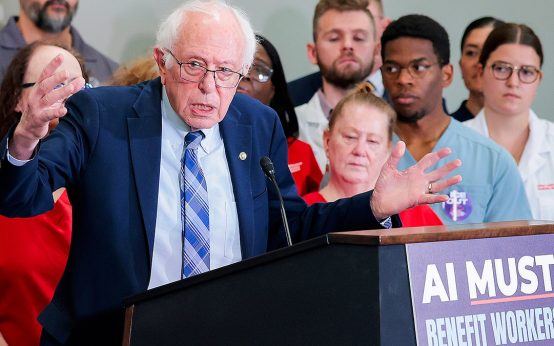 America’s Technological Future at a Crossroads
 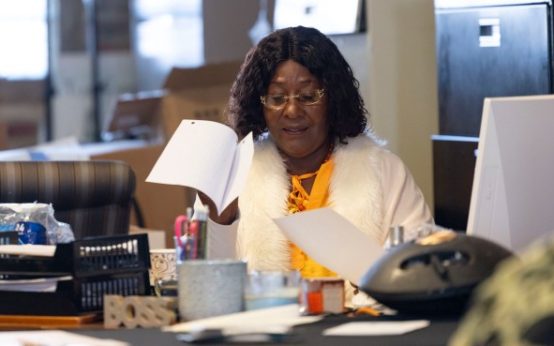 Mayor Introduces New Gunshot Detection System
 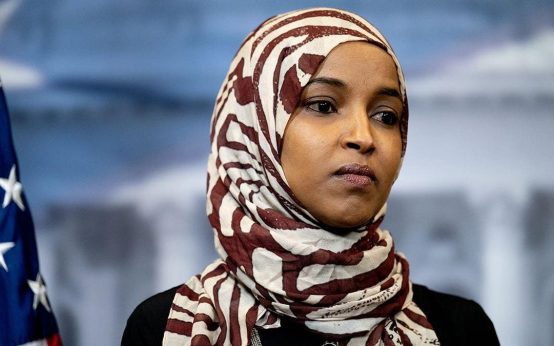 Ilhan Omar’s Residence Raided Amid Immigration Fraud Investigation
  Turmoil in Paris: A New Wave of Unrest
 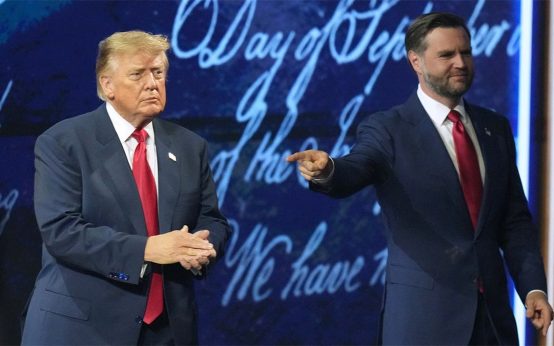 JD Vance Discusses Potential 2028 Presidential Run and Trump’s Endorsement