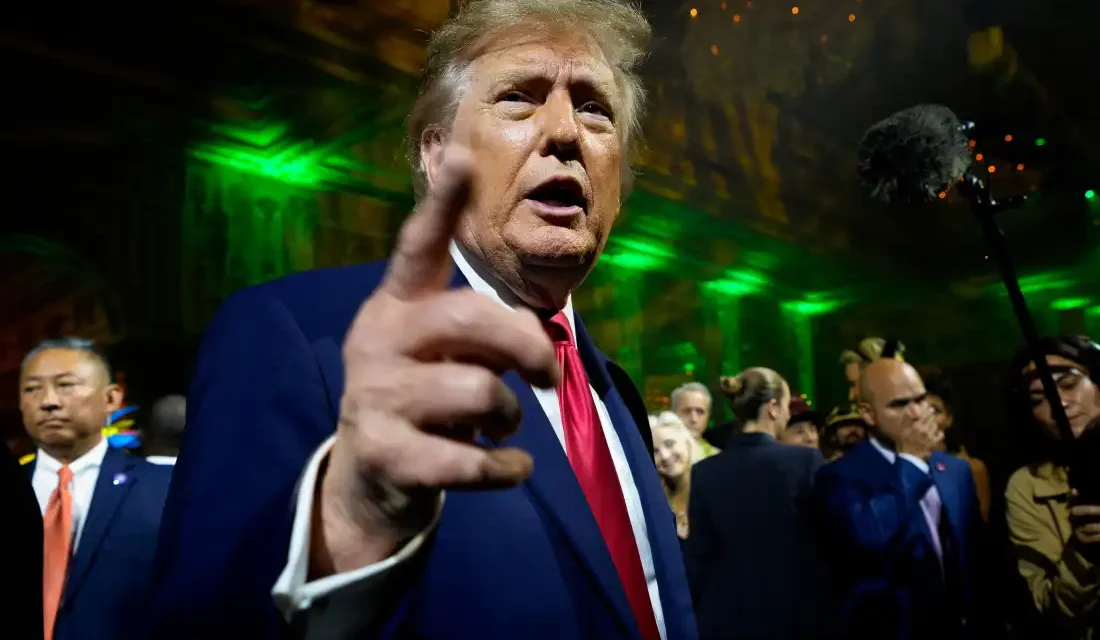
President Donald Trump addressed the media during a Halloween celebration in Palm Beach, Florida, on October 31, 2026, at his Mar-a-Lago club. Trump was elected in 2024, largely with the promise of reducing costs. However, prices have continued to rise, contributing to his low approval ratings and strong opposition.
While presidents often receive undue blame and credit for economic conditions, Trump’s decisions such as the war with Iran and tariffs have directly impacted the prices of goods and energy. The economy shows a divide with the wealthy benefiting from AI-driven stock portfolios, while average Americans struggle with inflation, a sluggish labor market, and rising interest rates. These rates make it tough to purchase homes or cars, making financial stability elusive for many.
“The latest NPR/PBS News/Marist poll indicates a discouraging financial outlook for many. 44% said their finances remain unchanged, while 38% felt their situation worsened. Only 15% saw financial improvement.”
Adding to the discontent are the administration’s strict immigration policies, reduced domestic spending on healthcare programs like Medicaid, and deregulation coupled with workforce cuts. Swing voters and Democrats express dissatisfaction, setting the stage for midterm challenges. Historically, midterms have posed difficulties for the president’s party, often resulting in seat losses. Trump’s party faces additional pressure as his approval ratings linger below 50%, which historically correlates with greater seat losses.
Democrats have shown strong performance under Trump’s tenure, often exceeding expectations in special elections. Following a successful off-year election in 2025, they position themselves favorably for gains. The unpopular Iran conflict, leading to increased gas prices, further boosts Democratic prospects, potentially enabling them to control the House and approach Senate control.
Democratic Challenges and Headwinds
Despite favorable trends for Democrats, Republican advantages remain through structural factors like redistricting, reducing competitive districts compared to 2018. This redistricting, influenced by Trump’s initiatives, is speculated to offer Republicans a slight edge. How Latino voters in regions like South Texas act could challenge these gains.
The Democratic Party also grapples with internal discontent, facing difficulty in uniting potential supporters disillusioned with the party. Regardless, NPR polling reveals engagement from self-identified “democratic socialists,” overwhelmingly critical of Trump’s performance. Their participation could significantly impact election outcomes.
As the Democratic primaries near, ideological clashes may emerge, with the 2028 election swiftly approaching. Presidential candidates typically announce campaigns early in election cycles.
Expectations and Uncertainty
There’s a possibility Republican strategy might pivot on high turnout from their base in key states. Trump’s efforts to mobilize voters could influence results, potentially converting minimal Senate gains for Democrats into more substantial shifts.
While Democrats are confident in winning the House, unexpected results could indicate polling discrepancies. Certain districts might not release final results on election night, complicating party control determination.
“Trump persistently raises concerns of election integrity if results don’t favor him, stirring potential misinformation and chaos.”
Throughout the cycle, Trump has been a divisive figure, affecting GOP success with his polarizing presence. His appeal holds sway over the base yet alienates swing voters. As polls reveal declining crossover support since 2024, economic pressures and the ongoing conflict impact his standing. Regardless of partisan shifts, cooperation will be essential in moving forward.
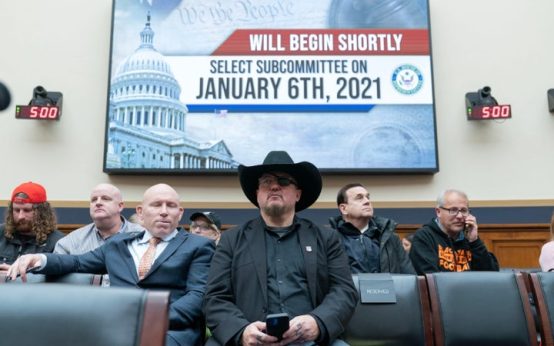 Ex-Oath Keepers Leader Turns Against Trump
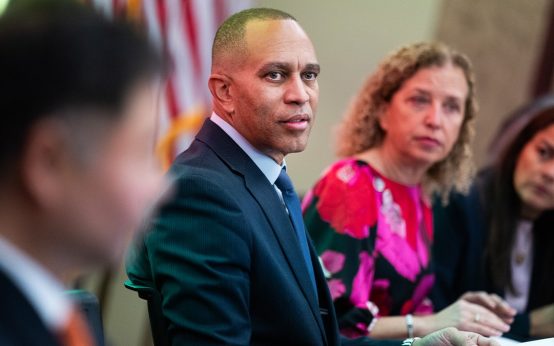 Progressive Democrats Seek to Push Agenda in House
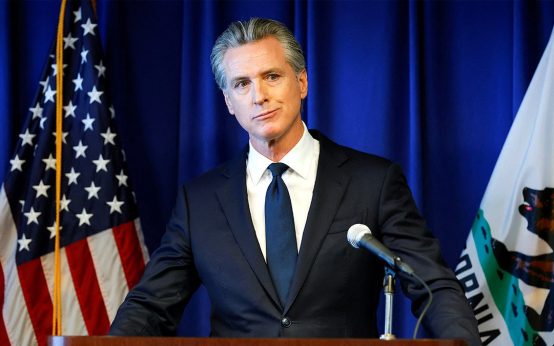 Controversy Surrounds Governor Newsom’s Death Sentence Commutation Plan
 Jewish Activist Criticizes Event Cancellation at CUNY School
 Debate on School Choice in Texas Elections
 Amy Klobuchar Takes On Governorship with Promises for Minnesota’s Growth