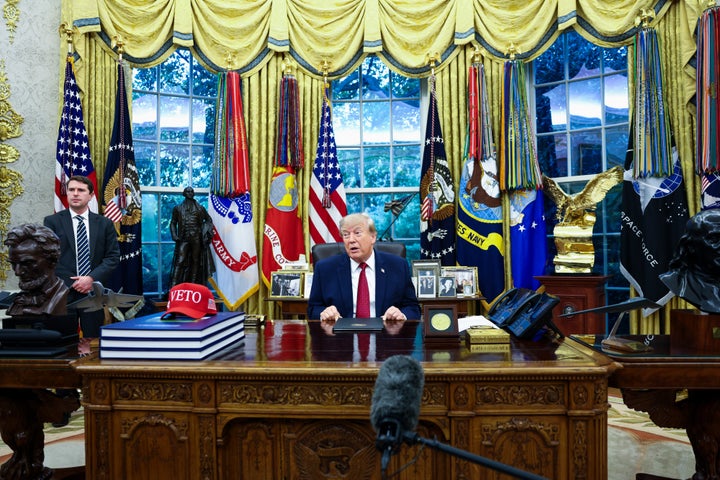
On November 5, 2026, President Donald Trump signed an executive order that designates the Oval Office as a national monument. This decision came shortly after his policies faced significant rejection in the midterm elections. Trump, who carried out extensive renovations in the Oval Office, including the addition of gold elements, stated his intention to protect the space from future alterations.
Trump expressed his concerns about potential changes: “If anybody ever decides to come and start knocking down walls, you call me wherever I may be,” he reportedly told the Associated Press, emphasizing his commitment to preserving the Oval Office as it is.
The proclamation outlines a process that must be followed before any substantial alterations or demolitions can be made to the Oval Office, Outer Oval Office, or Cabinet Room. However, this order does not restrict changes in decor or furnishings, focusing instead on preventing major structural changes.
Critics argue that this move may be unnecessary because the White House is already protected as a national historic landmark.
Observers noted that Trump’s actions target his personal interests rather than addressing pressing national issues. Recent election results highlighted public demand for policies that reduce prices, resolve international conflicts, and eliminate tariffs. Critics have voiced their thoughts on social media, emphasizing the disconnect between Trump’s actions and the electorate’s priorities.
Social media reactions suggest skepticism regarding the impact and intention behind declaring the Oval Office a national monument. Users pointed out that these actions seem to prioritize personal preferences over pressing national matters.
 Mississippi State Auditor Shad White Announces Gubernatorial Bid
 Trump Dismisses Third Impeachment Prospects
 Custody Dispute Involving Rep. Max Miller Delayed
 Attorney General Addresses Post-Midterm Democratic Threats
 Senator Elizabeth Warren and the Future of Crypto Regulation
 Bipartisan Opportunities in Foreign Policy