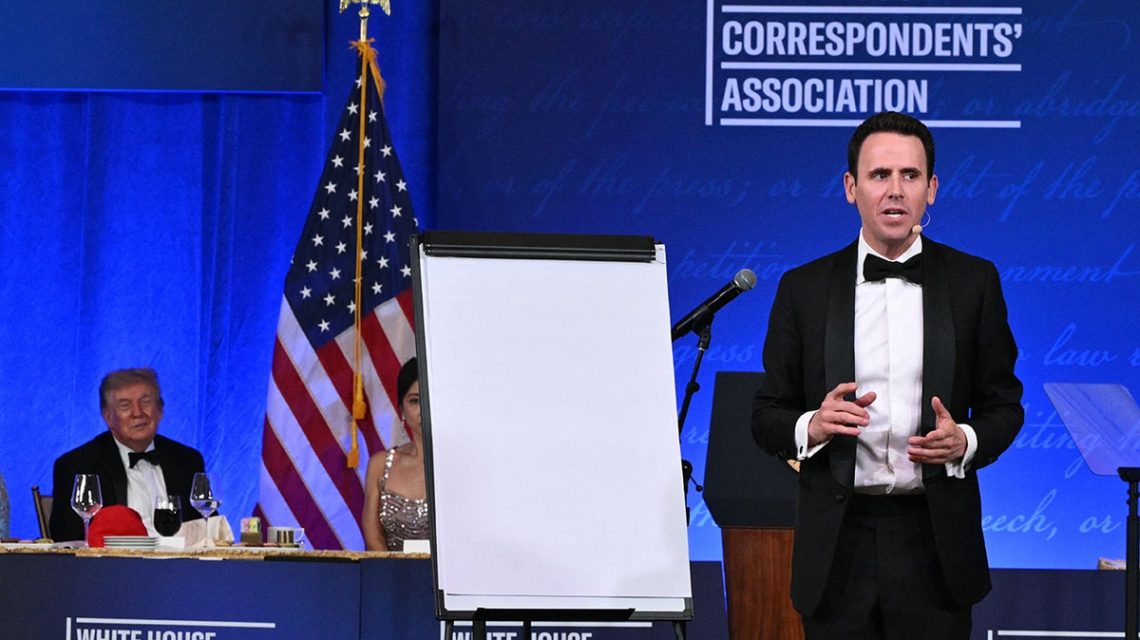
The White House Correspondents’ Association Dinner, rescheduled recently, featured Oz Pearlman, a mentalist, as part of the program. This choice highlighted the blend of psychology, suggestion, and showmanship typical of mentalists. Pearlman, much like entertainers from the past, such as ‘The Amazing Kreskin,’ relies on illusion rather than mind reading.
Today’s media often resembles the methods of mentalists, as reporters frequently conjecture about the thoughts and feelings of political figures like President Donald Trump and Vice President JD Vance. Articles occasionally lean on anonymous sources, touting insider knowledge without directly quoting their subjects.
Reporters often use phrases like ‘sources say’ to frame their stories.
With approximately 1,500 to 2,000 staff working at the Executive Office of the President and an additional 3,000 political appointees, many individuals claim insider information. Yet, only a select few, mostly from Congress or the Cabinet, truly converse with the President or Vice President. The numerous potential ‘sources’ lead to a heavy reliance on speculation in media reports.
Why do these anonymous sources talk to reporters? They often aim to influence media narratives for personal or political gain. This prompts questions on the authenticity of such reporting. Reporters sometimes predict political moves based on patterns observed in past behavior, hoping for accuracy from these predictions.
The presence of a mentalist at the Correspondents’ Dinner pointed to the blurred lines between guessing and reporting. While journalism ideally focuses on verified facts, the temptation to predict and speculate remains strong within a highly competitive industry.
Speculating about political figures’ minds is not actual reporting. When journalists resort to such predictions, it sidesteps factual recounting in favor of guesswork. While it is natural for media to provide opinions, passing these off as facts compromises journalists’ roles and responsibilities.
The appearance of a mind-reader at the event served as a metaphor for the current state of some political journalism. This reflection questions if members of the media recognized the underlying irony.
 The Impact of Arts and Closure on Democracy
 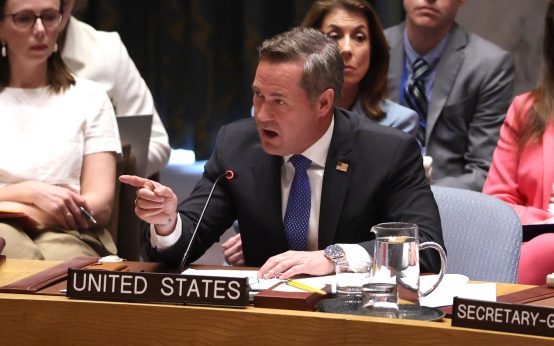 U.S. Ambassador Comments on Iran War Duration Amid Political Concerns
 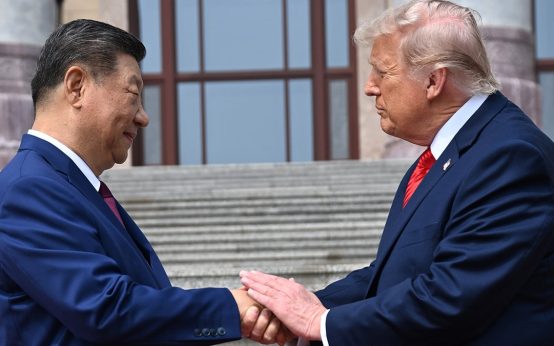 US-China Relations Under Scrutiny: Expert Warns of Escalating Tensions
  No Timeline for End of Iran Conflict
 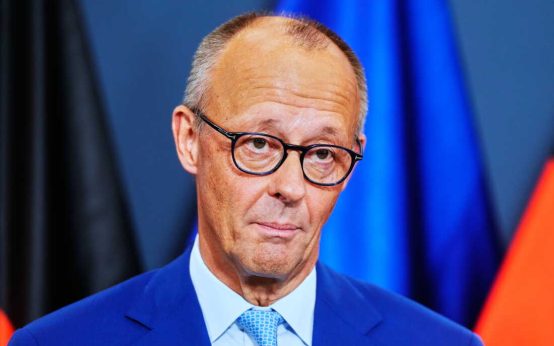 German Chancellor Merz Vows to Pursue Reforms Despite Election Setbacks
 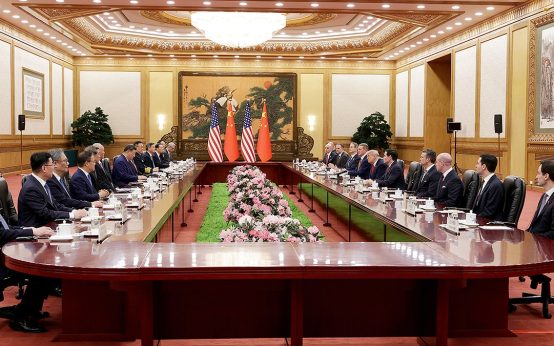 The Technology Rivalry: Trump’s Meeting with Xi and the AI Ecosystem Clash