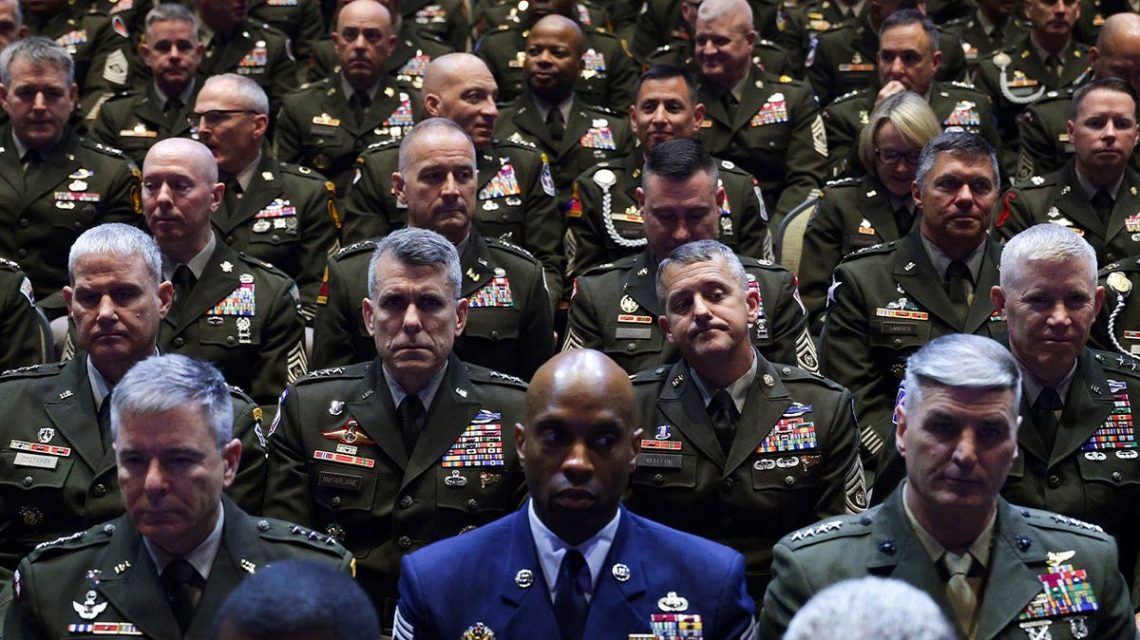
The Trump administration has identified testosterone deficiency as a concern for military readiness. New screening guidelines have been introduced for male service members amid broader health concerns for American men. The shrinking pool of eligible young people for military service has also been highlighted.
Adm. Brian Christine, a senior official at the Department of Health and Human Services, emphasized the national defense implications of low testosterone levels in an interview with Fox News Digital. He noted that 77% of Americans aged 17-24 face disqualification from military service without a waiver due to obesity, chronic disease, and other factors. More than 70% of young men are ineligible, with only 3% showing interest in serving.
The Trump administration has renewed its focus on military readiness, led by initiatives that resulted in the Pentagon issuing testosterone deficiency screening guidelines for male service members aged 30 and older.
“There is absolutely a national defense readiness ramification for low testosterone,” Adm. Brian Christine stated.
In pursuit of building a stronger military, Trump has tightened fitness requirements, restructured weapons acquisition, enhanced recruitment, and refocused on combat readiness. Christine, a urologist specializing in men’s health for over 35 years, explained that declining testosterone levels pose a long-term health risk for American men in uniform.
The Pentagon’s guidelines mandate men aged 30 and older to undergo screening for testosterone deficiency. This process begins with evaluating symptoms and risk factors, offering further testing and potential treatment when appropriate.
“We’re not forcing testosterone on anybody,” Christine clarified. “But we are screening those who are symptomatic and offering them a pathway.” Obesity and chronic diseases are linked to low testosterone, with environmental factors like microplastics also under investigation.
Data show testosterone levels in American men have significantly declined from averages above 650 in the mid-1970s to around 350 now. National Institutes of Health Director Dr. Jay Bhattacharya warned of under-diagnosed testosterone deficiencies and highlighted the need for further research.
“There are under-diagnosed testosterone deficiencies,” Dr. Bhattacharya said. “The question of what to do about it is at the top of my mind.”
Research into declining sperm counts and environmental contributions to reproductive health concerns is ongoing, with the NIH investing in studies to inform medical guidelines and advice for American men.
Christine argues that testosterone influences men’s overall health and not just muscle or appearance. Low testosterone has links to anxiety and depression. The administration is also working on hormonal health guidance for female service members, with contributions from women’s health specialists.
The focus remains on equipping service members to perform optimally while addressing wider health challenges facing American men. “If we truly want our men who are in uniform to be at their best,” Christine emphasized, “our focus must be on their ability to function and perform their jobs.”
 Midterm Elections: Key Senate Races to Watch
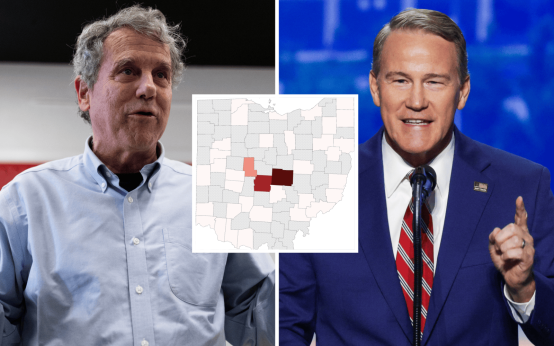 Data Centers as a Key Issue in Ohio Senate Race
 Controversy Over Arabic Language Programs in U.S. Schools
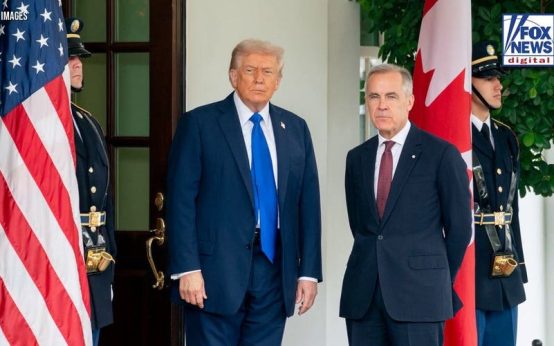 Scott Lincicome Discusses Trade Dispute Challenges
 Collins Meets Tight Race with Trump-Backed Economic Moves
 The Investigation into Ilhan Omar: Allegations and Legal Implications