
In a move aimed at limiting legal immigration, the Trump administration is reinstating a policy that could restrict green card access to immigrants taking advantage of public benefits such as food stamps, Medicaid, and housing vouchers. Known as the ‘public charge’ rule, the policy was published in the Federal Register and is set to be formally published on July 20th, with a slated enforcement date of September 18th.
Initially implemented in February 2020, the policy required green card applicants to demonstrate they wouldn’t become ‘public charges,’ which effectively means not becoming burdens to the country. While this rule was overturned under President Joe Biden’s administration, its revival signifies a renewed hardline stance on both legal and illegal immigration during rising healthcare and food costs.
U.S. Citizenship and Immigration Services (USCIS) reaffirmed the policy on its platform, declaring the commitment to self-reliance, protection of public resources, and cessation of dependency policies impacting American taxpayers. Under President Trump, the agency emphasized restoring the expectation that immigrants should support themselves independently.
The enforcement of this rule comes at a time when the administration is intensifying immigration law enforcement efforts, which not only targets undocumented immigrants but also legal immigrants and mixed-status families, where parents are foreign nationals with children born in the U.S.
Federal law already mandates permanent residency applicants to prove they won’t rely on public resources. However, the revived rule encompasses a broader array of programs potentially leading to disqualification. Advocates argue that this reinstatement aligns with a ‘wealth test’, asserting it could detrimentally impact health outcomes and exacerbate existing disparities.
Manatt Health has assessed that the policy could deter up to 26 million individuals from seeking essential services, including healthcare, food, and housing, under programs they lawfully qualify for. The majority adversely affected are U.S. citizens, specifically children or adults in mixed-status families.
A study by the Migration Policy Institute highlighted that while chilling effects may be widespread, the actual number of immigrants ineligible for legal permanent residence due to program use was relatively small at an estimate below 1% of the 22.1 million noncitizens residing in the U.S. during that period.
The 2023 Census Bureau data indicates 22.8 million noncitizens currently residing in the U.S. Nonprofit organizations reported the policy induced fear and confusion among immigrants, leading many eligible individuals to forgo applying for rightful benefits.
Immigrant rights groups have criticized this decision, expressing significant concerns over its implications.
Adriana Cadena, Executive Director at the Protecting Immigrant Families Coalition, condemned the rule as being detrimental to immigrant families, posing risks to public health and economic security. She pointed out that political bias seemed to underlie immigration decisions, overlooking the resultant harm.
Sarah Krieger, Senior Policy Counsel at the National Immigration Law Center, stated the rule engenders fear, causing reluctance among immigrants to partake in everyday activities such as healthcare visits, grocery shopping, and tax filing. She emphasized the rule’s potential to craft an exclusionary America catering exclusively to wealthy, predominantly white elites, underscoring its harm and legal violations.
 A Mother’s Tragic Journey Under Abortion Ban
  U.S. Strategic Goals Remain Unmet Amid Prolonged Conflict
  The Impact of Arts and Closure on Democracy
 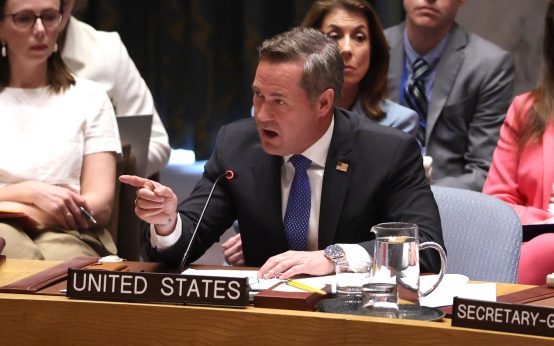 U.S. Ambassador Comments on Iran War Duration Amid Political Concerns
  US-China Relations Under Scrutiny: Expert Warns of Escalating Tensions
  No Timeline for End of Iran Conflict