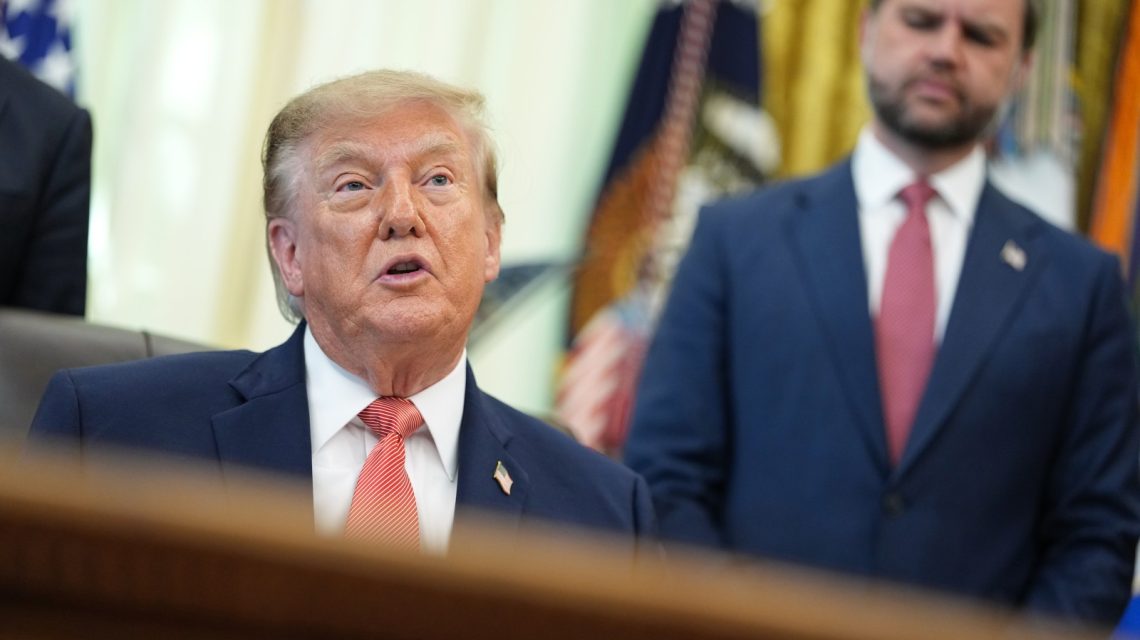
President Donald Trump and Vice President JD Vance announced the launch of a $25 million whistleblower initiative on Tuesday. The program aims to motivate Americans to report suspected fraud in federal programs, with rewards of up to $30,000 for eligible tipsters. The Justice Department’s National Fraud Enforcement Division will manage this initiative.
Program Details and Requirements
The Whistleblower Rewards Program is part of a broader effort to combat fraud across the federal government. To qualify for a reward, the information submitted must be original, truthful, and complete, and it must lead to criminal charges and successful enforcement action. Simply submitting an allegation does not guarantee payment. Tips must meet the program’s eligibility criteria.
The Justice Department’s guidance indicates that eligible whistleblowers can generally receive between $10,000 to $30,000. President Trump mentioned that the commission will be one percent of the reported fraud amount, regardless of the total fraud reported.
Categories of Fraud
The program focuses on various types of fraud, including federal health care offenses and crimes related to government programs. Agencies such as the Departments of Agriculture, Labor, Health and Human Services, Housing and Urban Development, Education, Veterans Affairs, and the Department of War are part of the initiative, along with the Small Business Administration.
Fraud in hospice services, home health care, day care, and special services is particularly emphasized. Whistleblowers must provide information that leads to charges in these specified areas and cooperate completely with investigators.
Eligibility and Reporting
Individuals who have actively participated in fraud are typically ineligible for rewards. The Department’s strategy rewards valuable information early, without requiring substantial fines or forfeitures before issuing an award. Americans can submit tips through the Justice Department’s fraud reporting website, fraud.gov.
Trump Administration’s Fraud Crackdown
The whistleblower initiative builds on the administration’s wider attempts to tackle federal fund fraud. Earlier, President Trump created the Task Force to Eliminate Fraud in March, appointing Vance as chairman. The task force works to synchronize federal efforts in fraud detection, eligibility verification, and prevention of improper payments.
Case Example: Nick Shirley
The administration plans to award Nick Shirley, an independent journalist, $10,000 for his efforts in reporting suspected fraud in Minnesota child care centers. His investigation brought national attention by uncovering apparently vacant facilities and eliciting witness accounts stating the absence of children at these locations.
One case involved the Future Leaders Early Learning Center, where the former chief executive admitted to charges of wire fraud and conspiracy after misappropriating over $4.6 million. Shirley’s reporting played a significant role in reallocating federal investigative resources to Minnesota.
Details on Fraud Reporting and Rewards
For a whistleblower to qualify for payment, their information must be voluntary, relate to a covered offense, and lead to charges within specified areas. Each report’s eligibility for payment is assessed based on its timeliness, originality, and adherence to program criteria.
The initiative is designed to detect fraud earlier, help reduce taxpayer-funded program losses, and offer qualifying whistleblowers a clear path to rewards. Detailed guidance on eligibility, confidentiality, and assessment processes is available in the Justice Department’s Whistleblower Rewards Program documentation.
 Italy Grants Partial Extradition for Texas Murder Suspect Lee Gilley
 Controversy Over Court Attire in Madison Brooks Case
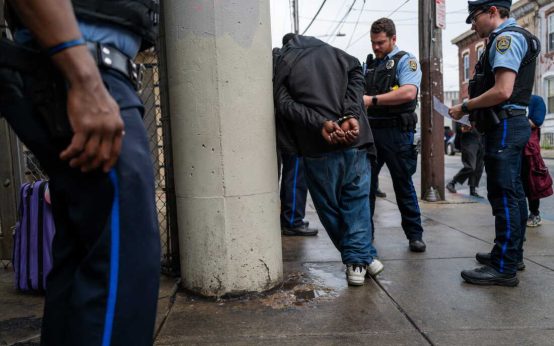 Analysis of Rising Arrests for Low-Level Crimes Amid Declining Violent Crime Rates
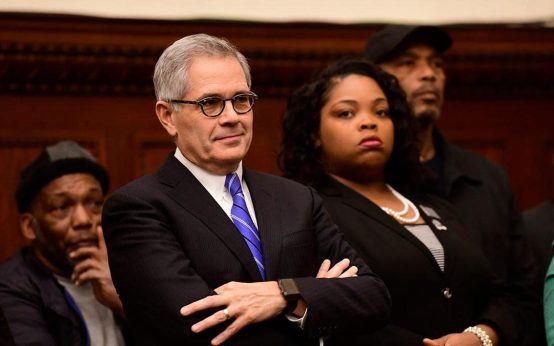 Grand Jury Subpoenas Issued to Philadelphia DA Larry Krasner
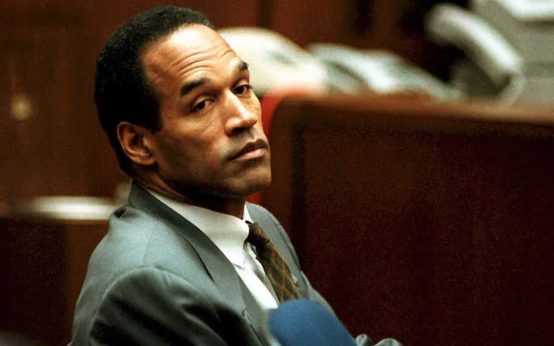 Possible Mafia Tie Could Alter Understanding of O.J. Simpson Case
 The Complex Case of Amy Mullis’s Death: Accident or Murder?