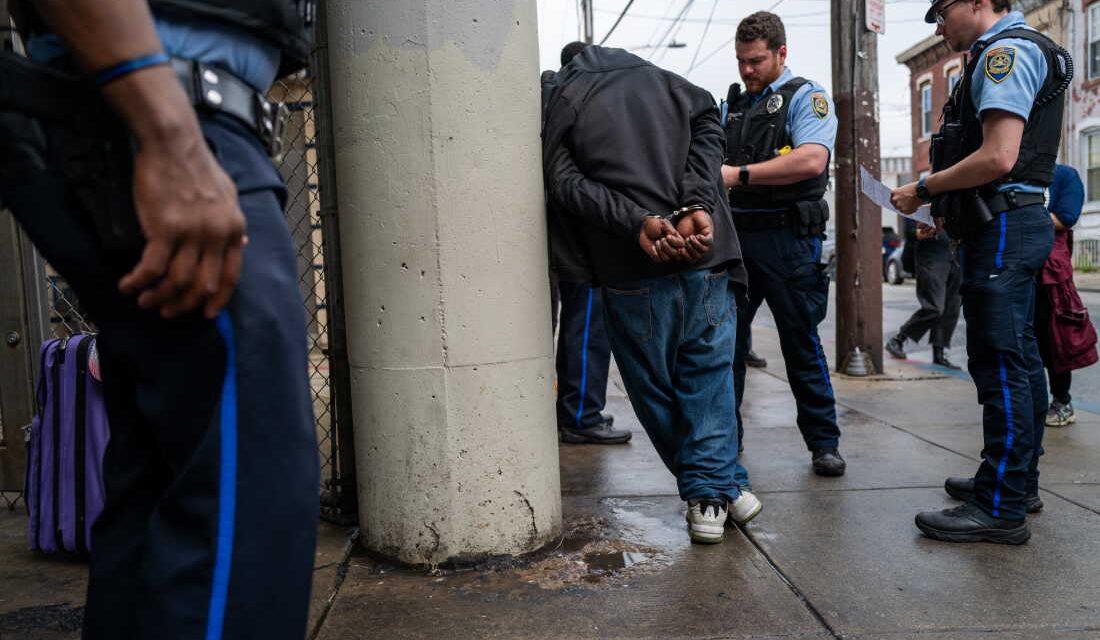
Philadelphia recently initiated a cleanup effort of a drug encampment in the Kensington area. As the city addressed these issues, a man was arrested by the police. Spencer Platt captured the scene in a photo for Getty Images.
From 2024 to 2025, the United States witnessed an increase in arrests for minor offenses such as vagrancy and drug possession. In contrast, violent crimes, including homicides, fell to historic lows. These findings stem from a recent analysis by FWD.us, an advocacy group focused on criminal justice and immigration reforms. Zoë Towns, the executive director, commented on these findings to NPR.
This increase signals a return to strict law and order policies reminiscent of the 1980s and 1990s,Towns stated. She referenced the era’s policies like mandatory minimum sentences, which escalated mass incarceration in the U.S.
The FWD.us report analyses public FBI and immigration arrest data but excludes details on whether charges were dropped or if jail time was served. Towns stressed the impact of arrests on individuals and families. An arrest can disrupt lives, resulting in job loss, missed housing payments, and family separations,
she noted. The FBI did not immediately provide a comment on these insights.
Report Findings
According to the report, California, Hawaii, Nevada, and Arizona contributed to over half of the increase in vagrancy arrests. Vagrancy, legally defined as roaming without stable employment, housing, or resources, is often enforced against the homeless. FWD.us observed a 44% rise in vagrancy arrests, with figures climbing from 22,769 in 2024 to 32,728 in 2025. Asian Americans and Native Hawaiian and other Pacific Islanders primarily experienced these arrests. Although they represent about 7% of the U.S. population, they accounted for 17% of the increase, particularly in Hawaii.
In the Southern states where marijuana remains illegal, possession arrests rose by 6%. Figures show 190,182 arrests in 2024, rising to 201,273 in 2025. The racial disparity is significant, with Black people constituting 83% of the increase and making up nearly half of all cannabis arrests at 45%.
National drug possession arrests saw a slight rise, up 3% from 508,087 in 2024 to 523,520 in 2025. The increase is partly due to states reversing decriminalization policies. California had the largest spike in these arrests after Proposition 36. This measure, passed in 2024, heightened penalties for repeat offenders and drug users. The state reported an increase of over 14,000 arrests in drug possession within a year. Oregon experienced a similar policy shift, leading to a 39% rise (2,205) in non-marijuana drug possession arrests.
Immigration violation arrests surged by 188% during this period, with figures jumping from 109,936 in 2024 to 316,304 in 2025.
Reasons Behind the Increase
Experts link this rise to federal-level decisions. The data spans the first year of President Trump’s second term, during which his administration emphasized a tough-on-crime approach. Nationwide deportation efforts intensified, targeting many without criminal records. The 287(g) program funneled federal funds to local police, enabling them to conduct immigration arrests. Consequently, federal deployments of immigration officers and the National Guard likely led to a heightened law enforcement presence.
In the summer of 2025, Trump cited a purported crime emergency
in U.S. cities, despite data showing record-low violent crime rates in 2024. National Guard deployments in Washington, D.C., were followed by a doubling of marijuana possession arrests.
Vagrancy arrests also seemed linked to a Supreme Court ruling, which affirmed city bans on public sleeping and camping. This decision enabled localities in the West, like Oregon, to restrict areas where individuals in cars, parks, and encampments reside.
Insha Rahman from the Vera Institute noted there remain positive trends
as crime continues to decline. Drug crime arrests peaked in 2006 at about 1.7 million, representing a decrease from 1980 figures. Rahman highlighted that states and localities prioritizing effective investments reflect a resilient approach. These initiatives include substance abuse treatment, community violence intervention, youth services, counseling, and alternative response programs.
 Grand Jury Subpoenas Issued to Philadelphia DA Larry Krasner
 Possible Mafia Tie Could Alter Understanding of O.J. Simpson Case
 The Complex Case of Amy Mullis’s Death: Accident or Murder?
 Trump Administration Seeks Recusal of Judge in D.C. Golf Course Case
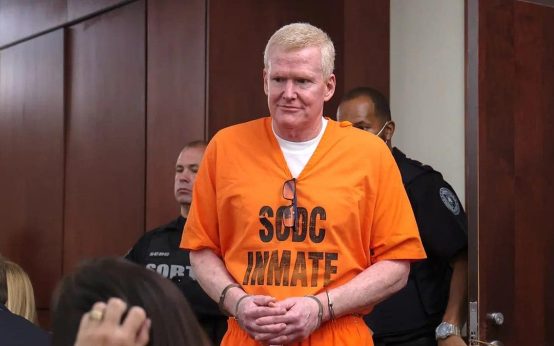 Alex Murdaugh’s Defense Pursues New Evidence in Retrial Preparation