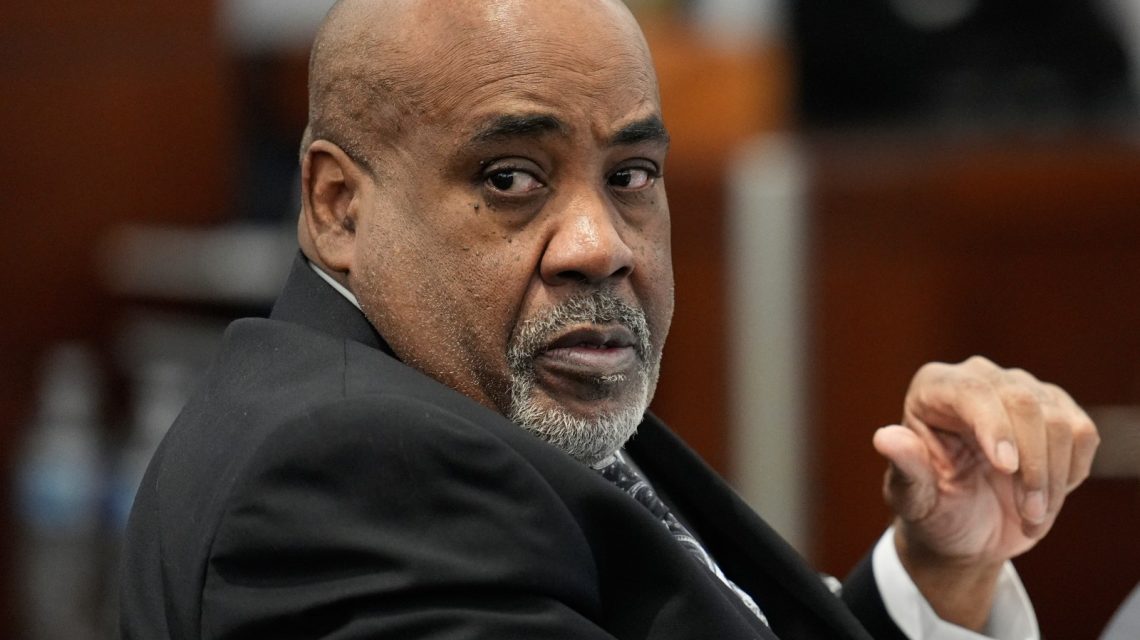
Almost 30 years after Tupac Shakur was shot on the Las Vegas Strip, Duane “Keffe D” Davis faces trial. A key focus is Davis’ memoir, Compton Street Legend. Prosecutors argue the book reflects Davis’ involvement in the events leading to Tupac’s death. They say his memoir is consistent with earlier statements.
Prosecution’s Perspective on the Memoir
Prosecutors stated that Davis’ memoir aligns with his private conversations long before it was published. They highlighted key admissions:
- He was upset about the assault on Orlando Anderson at the MGM Grand.
- He secured a gun used in the search for Tupac and Suge Knight.
- He was in the white Cadillac during the shooting.
- Members of his gang sought revenge for the beating.
- The encounter with Tupac’s BMW happened on the Las Vegas Strip.
Prosecutors pointed to consistent themes across FBI interviews, public talks, and Compton Street Legend.
Defense’s Argument Against the Memoir
Defense attorney Michael Sanft argued the memoir contains fictional elements. He stated that:
- No independent evidence links Davis to the shooting.
- Detectives used the book in court without verifying its claims.
- Davis might have exaggerated, given others involved had died.
Investigative Challenges
Sanft stressed that authorities failed to confirm key claims through witnesses or evidence. Despite an interview in 2008 in which Davis allegedly discussed the case, charges only emerged in 2023.
For prosecutors, the accumulation of Davis’ statements provides a credible account.
Following the Trial
The trial in Las Vegas includes testimonies from experts and those associated with Death Row Records. It is available through media streams and channels.
The Motive for Tupac’s Shooting
The attack on Tupac followed an altercation with Orlando Anderson at MGM Grand on September 7, 1996. Prosecutors argue Davis sought revenge for Orlando, while the defense disputes the prosecution’s reliance on past accounts.
Tupac was shot while in a car with Suge Knight and died on September 13, 1996. In 2023, Davis became the first individual charged in connection to Tupac’s killing.
The Rivalry with Biggie Smalls
The West Coast-East Coast hip-hop feud defined tensions between Tupac and Biggie Smalls. Public accusations and diss tracks fueled the conflict, with links between their murders remaining unsolved.
Prosecutors referenced connections between the South Side Compton Crips and Bad Boy Records to explain events surrounding Tupac’s death.
Next Steps in the Trial
Jurors will hear from witnesses about the connections between those involved and the events of September 1996. Their assessment of Compton Street Legend‘s credibility could influence the trial’s outcome.
Lorem ipsum dolor sit amet, consectetur adipiscing elit. Pro Praesent luctus, dolor sed facilisis lobortis, tellus magna consectetur mi, ut aliquam magna nisi volutpat quam. Examination of this will be crucial in deciding the trial’s direction.
 Grand Jury Subpoenas Issued to Philadelphia DA Larry Krasner
  Possible Mafia Tie Could Alter Understanding of O.J. Simpson Case
  The Complex Case of Amy Mullis’s Death: Accident or Murder?
  Trump Administration Seeks Recusal of Judge in D.C. Golf Course Case
  Alex Murdaugh’s Defense Pursues New Evidence in Retrial Preparation