The trade relationship between the United States and Canada faces new strain. Tuesday marked the implementation of Canada’s latest tariffs on American goods. These tariffs, up to 50% on approximately $20 billion of U.S. imports, respond to similar U.S. tariffs on Canadian products. The match is dollar for dollar, not for specific products.
The trade conflict not only increases costs but also challenges a historically close relationship. Prime Minister Mark Carney’s government stands firm despite the pressure. Canadians express a sense of betrayal from a long-term ally. President Trump’s comments on potentially making Canada the 51st state and using economic pressure add fuel to the fire.
The tension has tangible effects. Travel from Canada to the U.S. has decreased. Boycotts of American goods suggest growing resentment. Economic dependency complicates matters. U.S. auto exports to Canada have seen a 22% drop since the conflict began. Canada remains a crucial market for many U.S. states.
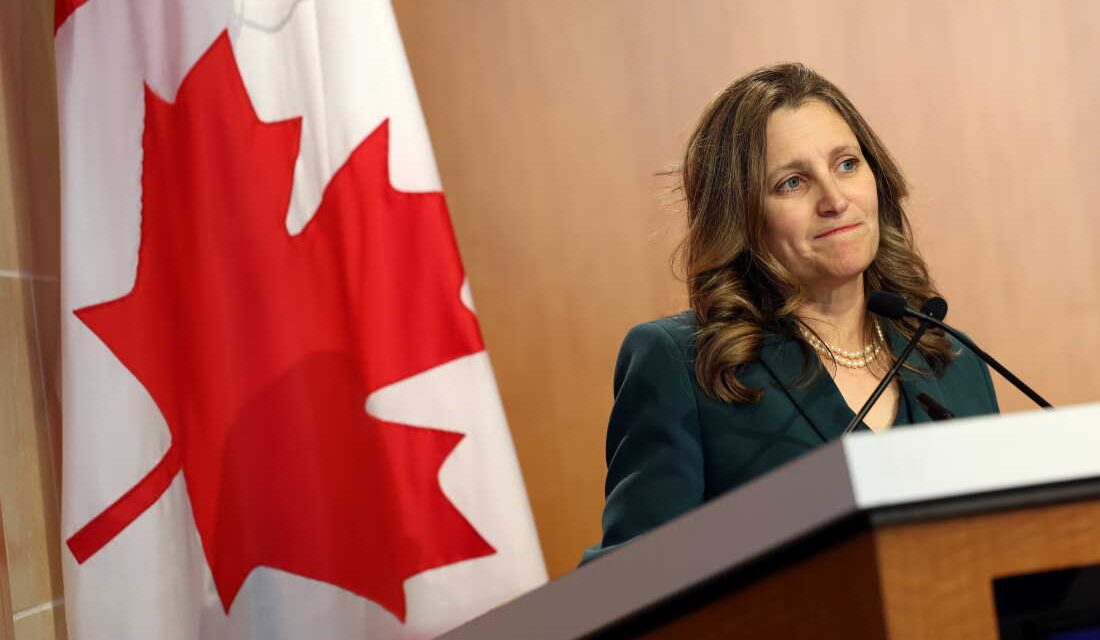
Chrystia Freeland, former Canadian Minister of Finance, sheds light on the issue. Her experience includes negotiating the U.S.-Mexico-Canada Agreement during Trump’s first term, labeled “the best trade deal ever” by Trump himself. Freeland warns of the risks of alienating allies. She stresses the importance of alliances in addressing global challenges, such as China’s influence.
Freeland criticizes the mindset of overpowering smaller economies, recounting a negotiation where she was told the size difference meant the U.S. should dominate decisions. “That is not a way to have a partnership,” she asserts, emphasizing Canada’s resolve.
For more insights, listen to the full interview with Chrystia Freeland via the embedded link above. The report benefitted from Peter Armstrong’s contributions from Toronto.