
Confirmation Hearing of Acting Attorney General Todd Blanche
The Senate Judiciary Committee’s hearing with Acting Attorney General Todd Blanche aimed to assess his independence from former President Donald Trump and scrutinize various issues. Blanche, who previously served as Trump’s defense attorney, stated, “President Trump trusts me to give him counsel. Counsel does not mean a ‘yes man.’” His opening remarks focused on earning lawmakers’ trust, expressing readiness to answer questions about the challenges over the past year.
Blanche’s appointment follows the dismissal of Pam Bondi as attorney general in early April. Approved by the Senate in March 2025 as deputy attorney general, Blanche is now considered for promotion. Committee chair Sen. Chuck Grassley recognized Blanche’s prior fitness for office, while Sen. Cory Booker opposed Blanche’s confirmation, citing failures in treating Epstein victims, political prosecutions, and improprieties with corporations.
“This isn’t a confirmation hearing. This is more of a performance review,” Booker said.
Blanche’s Role in IRS Settlement
A key point of contention was Blanche’s involvement in settling Trump’s IRS lawsuit over tax return leaks. The settlement provided immunity from tax audits and established a $1.8 billion fund for victims claiming government weaponization. Despite bipartisan backlash, this fund was later abandoned. A federal judge recently criticized Trump’s lawsuit as an improper use of the courts.
During the hearing, Blanche stated he had no discussions with Trump regarding the settlement until after the Justice Department had concluded the matter. Blanche refused to provide details on discussions with Trump about the fund’s creation. Despite repeated assurances that the fund is inactive, Blanche faced pressure to confirm this in writing. He argued legal precedents prevent judges from demanding formal declarations from cabinet members.
Epstein Files Investigation
Blanche defended the Justice Department’s handling of files related to Jeffrey Epstein, a notorious sex offender, acknowledging redaction errors while stressing efforts to correct them. Many documents disclosed personal information about survivors. He offered no excuses but emphasized attempts at rectifying mistakes.
Addressing criticism about the department’s engagement with survivors, Blanche detailed communications with representatives of victims and encouraged further collaboration with the FBI. He noted that additional evidence could prompt prosecution, different from a prior memo that suggested no grounds for investigation against uncharged individuals.
“If there’s anybody out there, victim or otherwise, that has information, I beg them to come forward,” Blanche urged.
Handling of Immigration Agent Incidents
Recent fatalities involving immigration officers raised concerns. Blanche stressed a standard exists for firearm use by agents, which should guide every situation. When questioned on the Department of Justice’s role in shooting investigations, Blanche explained agency-specific procedures usually monitor such incidents.
Senator Padilla expressed concerns about the delay in investigating fatalities of individuals killed by immigration officers in January. Blanche assured that time passed does not negate justice, though investigations require time.
Further Takeaways
Regarding Trump’s January 6 pardons, Blanche stated presidential powers allow pardoning decisions without questioning motives. Concerning impeachment of judges opposing Trump, Blanche does not support this, diverging from Trump’s past sentiments. On being Trump’s friend, Blanche clarified he served as Trump’s criminal defense lawyer—a relationship typically not deemed a friendship.
With regard to subpoenas targeting reporters at The New York Times over classified information leaks, Blanche emphasized the Justice Department’s focus on safeguarding national security information.
A thriving democracy relies on a free press. Uphold trusted journalism and promote civil dialogue.
 The Cost of Challenging Beijing
 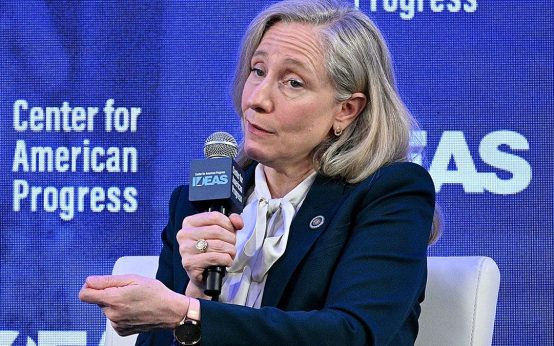 Analyzing Midterm Elections and Party Dynamics
 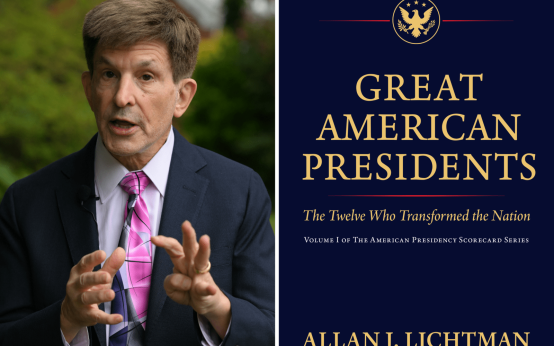 Allan Lichtman’s Framework for Assessing Presidential Greatness
 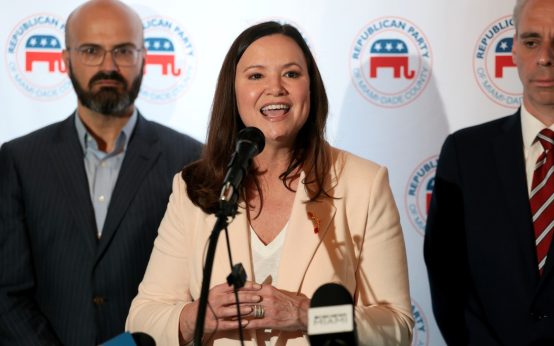 Florida Senate Race Tightens as Recent Polls Show Dead Heat
 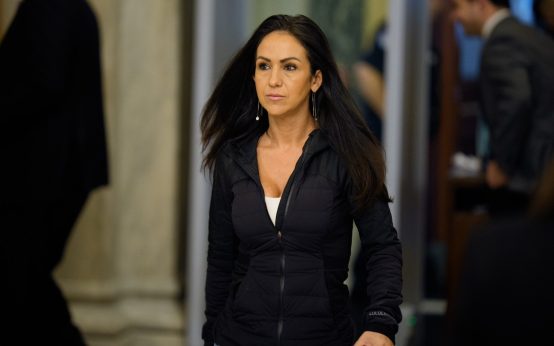 Ethics Complaint Targets Colorado Representative Lauren Boebert
  Ken Paxton’s Campaign Funding and Polls