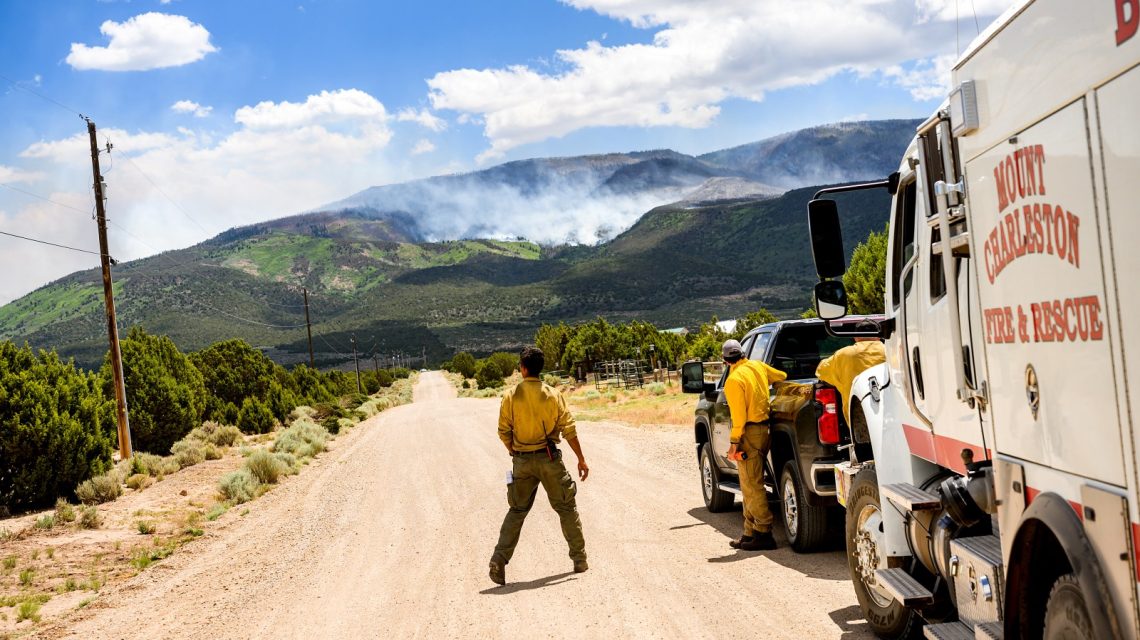
Three firefighters lost their lives, and two others were injured on Saturday while tackling wildfires near the Colorado-Utah border. These fires, driven by extreme heat, wind, and drought, continue to spread in the West.
The firefighters were responding to the Knowles and Gore fires, which have now combined into the Snyder fire, according to federal officials. The surviving firefighters sustained burn injuries, and are receiving medical care, the U.S. Wildland Fire Service (USWFS) stated on Sunday through social media.
“Our immediate focus is on supporting their families, friends, and fellow crewmates during this incredibly difficult time,” USWFS said.
These tragic deaths highlight the growing threat across the region, where critically dry and windy conditions have intensified fire behavior, straining firefighting resources and necessitating emergency declarations in multiple states.
Fires Spread Rapidly Across the West
The Cottonwood Fire in southwestern Utah, the largest active fire, has expanded to over 92,000 acres—about 144 square miles—and remains uncontained. Fire crews fight to control the flames in challenging terrain.
Around 1,200 firefighters have been deployed to the Fishlake National Forest near Beaver, Utah, to establish containment lines. The cause of the Cottonwood Fire is under investigation, according to InciWeb, the federal wildfire tracking system. Meanwhile, nearby, the Snyder Fire has burned thousands of acres, causing evacuation alerts for several communities.
Across the country, including Alaska and Florida, crews worked on Saturday to manage numerous fires, with around 36 classified as large and uncontained.
Extreme Weather Fuels Fire Growth
National Weather Service (NWS) forecasters have issued multiple warnings due to high temperatures, gusty winds, and humidity levels dropping to near 10 percent across parts of the West.
In Utah, meteorologists labeled the forecast as a “particularly dangerous situation,” indicating potential unpredictable fire behavior. This outbreak reflects climate patterns affecting the 2026 wildfire season, with many Western areas facing drought, low precipitation, and warm temperatures.
Nationwide, nearly 3 million acres have burned this year, exceeding the 10-year average.
Southwest Fire Activity and Power Shut-offs
The fire threat continues into Arizona, south of Grand Canyon National Park, where authorities reported flames moving away from populated areas on Saturday. However, another fire near Kendrick Mountain led to evacuation orders.
Power outages occurred in parts of northern Arizona as the utility company implemented safety shut-offs to minimize wildfire risk. These shut-offs are becoming regular in the West, based on factors like wind speeds, fuel availability, and topography.
In Utah, similar power shut-offs impacted areas including Beaver County due to severe fire conditions.
States Trigger Emergency Declarations
The crisis has prompted urgent actions before the July Fourth holiday. Utah’s Governor Spencer Cox declared an emergency, paving the way for a statewide fireworks ban. Colorado’s Governor Jared Polis took similar steps, activating the National Guard for local assistance.
Officials caution that upcoming days will offer little respite, with forecasts predicting persistent heat and wind, keeping the wildfire risk elevated.
 Call for Investigation into Scientific Manual Sparks Debate
  Heroic Actions During Idaho Shooting
  Trump Revives Energy Dispute with California over Offshore Drilling
  Indonesian Ferry Fire Leaves Devastating Impact
  Shooting Incident at Twin Falls In-N-Out Burger
 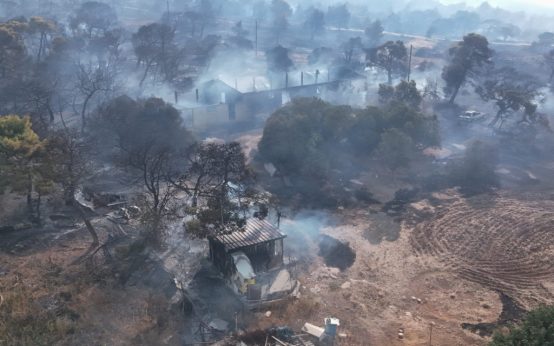 Firefighting Helicopters Crash Amid Greek Wildfire Efforts