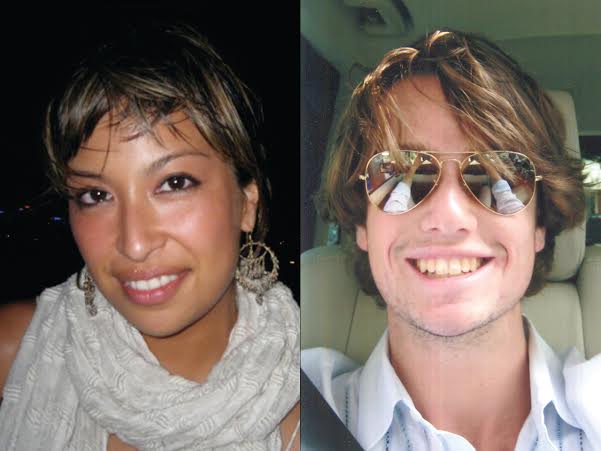
In the summer of Miami, two years before her untimely death, Sylvie Cachay was at the peak of her career. Her swimwear line, Syla, was capturing attention from top designers across the country. Her former publicist, Lesa McHale, described Sylvie as a rare talent, noting, “You see a lot of stuff, but it’s rare that you see wow.” The media coverage was extensive, as publications like InStyle and Vogue took notice of not only her products but also her unique personal style.
Sports Illustrated featured Sylvie’s bikinis in their swimsuit video shoot, and she quickly secured retail space in stores like Barneys. Her success was remarkable, and her former fiance, Ben Baker, who also served as her photographer, remarked on her beauty and captivating presence.
In 2008, economic hardships struck young fashion designers, yet Sylvie navigated challenges with determination. Patrick Cachay, her brother, marveled at Sylvie’s ambition, recounting how she launched her fashion line at just 29. As a child from suburban Virginia, with a surgeon father and an artist mother, Sylvie understood the virtue of hard work. Her parents, immigrants from Peru, instilled a strong work ethic.
Sylvie’s move to New York City quickly bore fruit. Within a week, she landed a job at Tommy Hilfiger, affirming her ambitions. The city seemed a perfect fit for her, though the 2008 market crash posed significant challenges. With backers withdrawing, Sylvie made the difficult decision to temporarily close her business, leaving her feeling lost and heartbroken.
Sylvie ended her engagement with Ben Baker to refocus on her career. After struggling for a period, she secured a role as the lead designer for Anne Cole swimwear, though never abandoning her own brand. In 2010, Sylvie began a relationship with Nicholas Brooks, a younger man from a wealthy background.
On their first date, a tragic accident involving one of Sylvie’s beloved dogs brought them closer as Nicholas offered comfort. However, any semblance of a fairy tale was shattered when Sylvie was found dead in a bathtub in a New York City hotel room. The situation was suspicious, with NYPD detectives noting bruising on her neck and her body position.
Sylvie had checked into the Soho House hotel with Nicholas Brooks, who was absent when her body was discovered. It was only later when Brooks returned to the hotel and seemed disoriented.
Former NYPD detectives explained that Nicholas Brooks exhibited unusual behavior upon learning of Sylvie’s death, with his demeanor appearing detached. Despite this, Brooks later claimed he was asleep in the interview room, waking more alert.
Brooks provided a statement detailing a chaotic night involving a fire caused by candles at Sylvie’s apartment and later trying to wake her at Soho House. Surveillance footage revealed Brooks leaving and returning to the hotel multiple times.
The investigation unveiled witness testimonies about disputes between Sylvie and Nicholas, highlighting potential strains in their relationship. The defense argued Sylvie’s death was an accident exacerbated by prescribed medications for fibromyalgia. Despite these claims, investigators remained unconvinced, especially given timelines and evidence that placed Brooks in the room when the bath began overflowing.
In court, letters from Sylvie revealed how she felt about the financial strains Nicholas imposed, and frustrations with his behavior. Text messages to friends corroborated her distress over his actions, including accusations of infidelity and financial deceit.
Ultimately, Nicholas Brooks was found guilty of second-degree murder and sentenced to 25 years-to-life. Sylvie’s story became emblematic of domestic violence cases, prompting Manhattan’s district attorney’s office to advocate for victims’ support programs.
“To me, my daughter is an angel. A real angel,” said Sylvia Cachay, reflecting on Sylvie’s kindness and the vibrant life that was abruptly cut short.