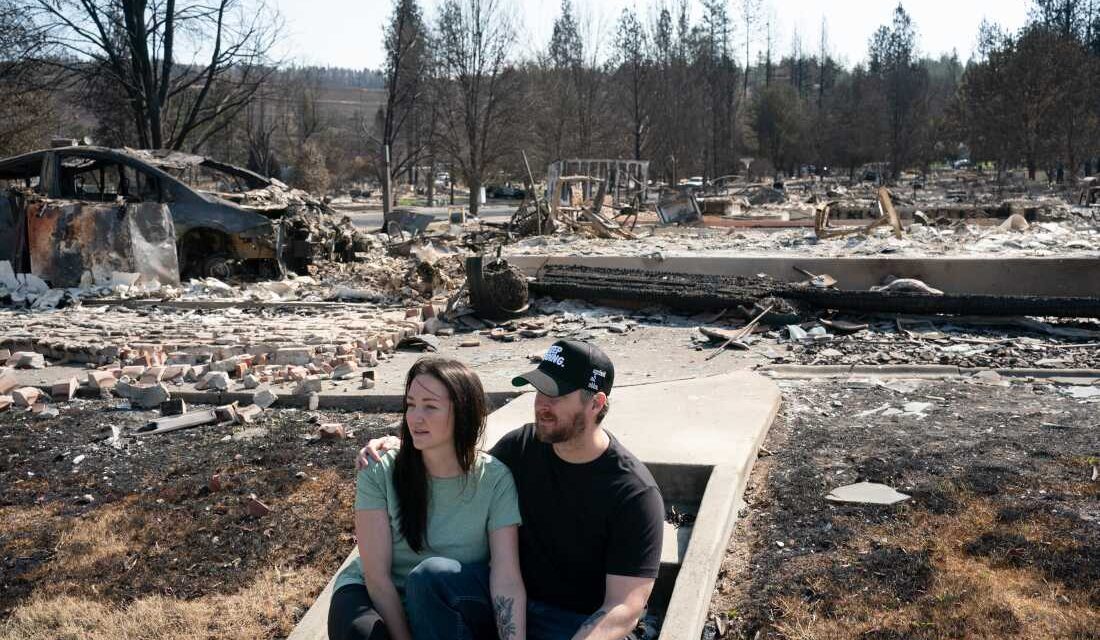
SPOKANE, Wash. — In the aftermath of devastating wildfires in the Spokane area, many evacuees have begun to return to the affected zones. The fires, part of the Spokane Complex, destroyed over 900 structures, leaving residents with concerns about safety and contamination.
Toxic Debris and Recovery Challenges
Sarah Nuss, the city’s director of emergency management, explains the complexities involved. “It is very challenging,” she notes, citing hazardous materials such as lithium-ion batteries and chemicals amidst the debris. The federal Environmental Protection Agency has arrived to begin the lengthy process of removing this toxic debris.
One major hurdle for the city is educating residents about these risks. Nuss states, “We have no legal ability to keep people out, so we are documenting all the risks for different households.” This precaution is essential before any rebuilding starts.
Personal Stories: Matthews Family
Melissa and Chris Matthews returned to find their home in ruins. “When we turned onto Old Fort Drive, I said it looked like a bomb went off here,” recalls Melissa. Their home, built three decades ago, is now a pile of rubble, leaving them to wait on insurance claims and navigate the daunting prospect of rebuilding.
Broader Implications for the Community
A few lots away, Hazmat workers sift through debris. Residents, including the Matthews, haven’t ventured into recovery yet. Good samaritans have provided necessary supplies like masks and gloves to aid them.
City officials advise wearing protective gear and having properties inspected. There is an emphasis on flushing water systems, as contamination fears linger. Nuss confirms ongoing testing of Spokane’s water supply.
Lessons from Other Wildfires
Andrew Whelton, an environmental engineer, stresses the need for extensive soil testing even after debris removal. He draws on experiences from the Camp Fire in Paradise, California, and advises care in Spokane’s recovery efforts.
The recovery timeline remains overwhelming for survivors, with many facing challenges in finding housing. Federal aid has yet to arrive, adding to the difficulty.
Community Resilience and Future Outlook
Don Simpson, another local resident, shares his evacuation story. As he watched flames approach his apartment, he helped evacuate residents from a nearby nursing facility. Witnessing the resilience of his community gives him hope, though he acknowledges that returning to normalcy will take years.
The tragedy has left a lasting impact on Spokane, but lessons from other communities may aid in the recovery process. Despite the hardships, residents are determined to rebuild and move forward.
 American Truckers Impacted by Rising Diesel Prices
  Federal Shooting Sparks Controversy in New York
  Escalating Conflicts and Diplomatic Efforts in the Middle East
  Hurricane Isaias Threatens Gulf Coast
  Building a Network for Conservative College Students
  World’s Largest Wildlife Crossing Nears Completion Amid Weather Concerns