
Between the 1910s and 1930s, second-generation Americans in Chicago shifted from crowded old neighborhoods to new areas. In doing so, they found an ideal housing solution in the bungalow. With post-Great Fire building codes enforcing brick construction, and Chicago’s prominence as a brick-making capital, there was both a need and ample resources for these affordable homes.
According to The Chicago Bungalow by the Chicago Architecture Foundation, “The housing boom of the 1920s altered construction practices throughout the United States by creating a tremendous demand for common houses with modern conveniences.” During this era, bungalows emerged as the emblem of Chicago’s middle class. These homes were solid and compact, designed to fit on narrow lots.
Chicago hosts over 80,000 bungalows, which account for a third of its single-family homes. Known as the Bungalow Belt, these homes form a crescent stretching from the Northwest Side to the Southwest Side. Although bungalows declined in popularity after World War II, giving way to ranch-style and split-level homes, many remain intact today.
Currently, bungalows are favored by immigrants, descendants of immigrants, and young families. They have endured over a century, continuing to shape the residential landscape of Chicago.
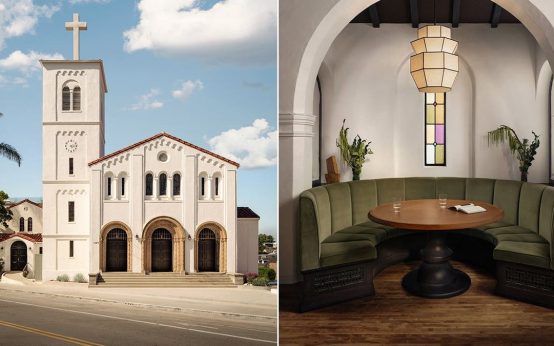 Historic Church Transformed Into Los Angeles Boutique Hotel
  Amazon Offers Discounts to Employees at Whole Foods
  Hidden Fees in Real Estate Transactions: A Growing Concern
 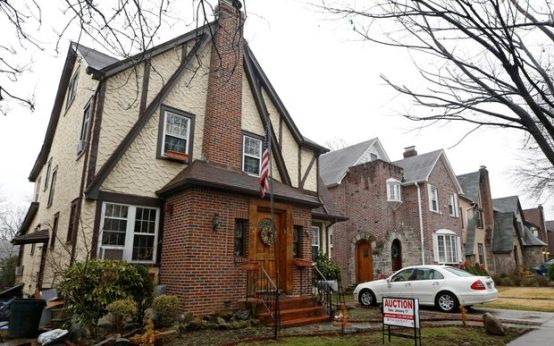 Trump’s Childhood Home Sells for Nearly $2 Million After Renovation
 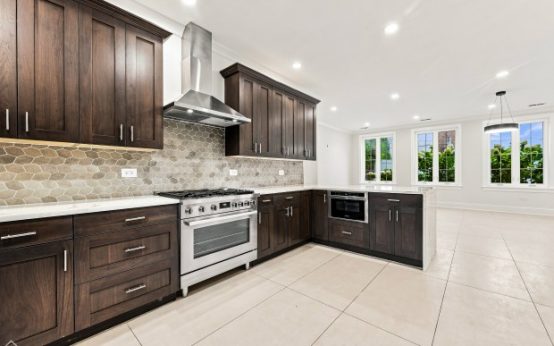 Luxury Five-Bedroom Home with Rooftop Deck in Edgewater
  Trump’s Housing Affordability Agenda Faces Challenges