
On August 27, 2026, an executive order was signed by then-President Donald Trump to rename Lake Ontario as ‘Lake America.’ The administration asserted that relevant parties had been informed of this change. This decision highlights both political dynamics and the procedural aspects involved in renaming geographical entities in the United States.
Renaming places in America is not just a simple administrative task. It involves a complex process managed by different levels of government and sometimes requires the inclusion of indigenous groups, historians, and other stakeholders. The renaming of places reflects broader themes of national identity, historical interpretation, and political power.
Geographer Innisfree McKinnon provides insights into how these decisions can reflect political intentions or cultural shifts. Renaming can symbolize both a desire to assert control and an effort to address historical narratives that might be considered outdated or insensitive by contemporary standards.
While the executive order aims to reshape public perception through this renaming, widespread adoption of such changes on maps and in public consciousness can take considerable time and effort. Maps, road signs, and official documents need updates to reflect these changes, which involves coordination at various administrative levels.
The case of ‘Lake America’ mirrors past instances where names of places held symbolic significance. Understanding the factors behind such decisions requires an examination of cultural, political, and historical contexts. The process of renaming American places, therefore, serves as a reminder of the intertwined nature of geography and politics.
 Talarico Gains Momentum in Texas Senate Race
  Trump’s AI Strategy Sparks Debate Amid Regulatory Concerns
  Wisconsin’s Budget Strategy: Lessons for Federal Government
 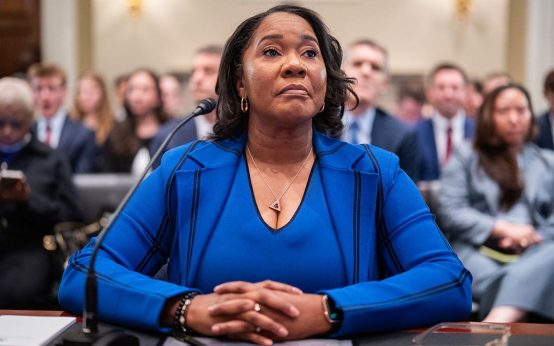 Intensified Scrutiny on ActBlue by House Republicans
  Addressing the Security Risks of Chinese Automotive Technologies
 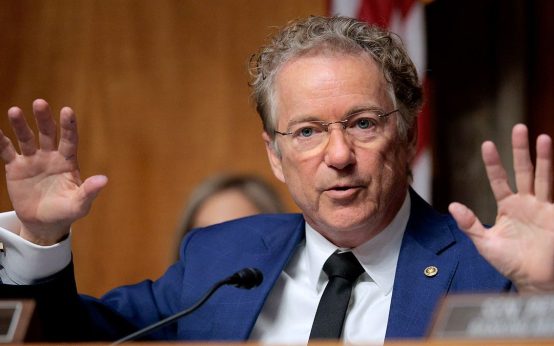 Sen. Rand Paul Criticizes Trump’s Proposed Financial Plan Amid Rising National Debt