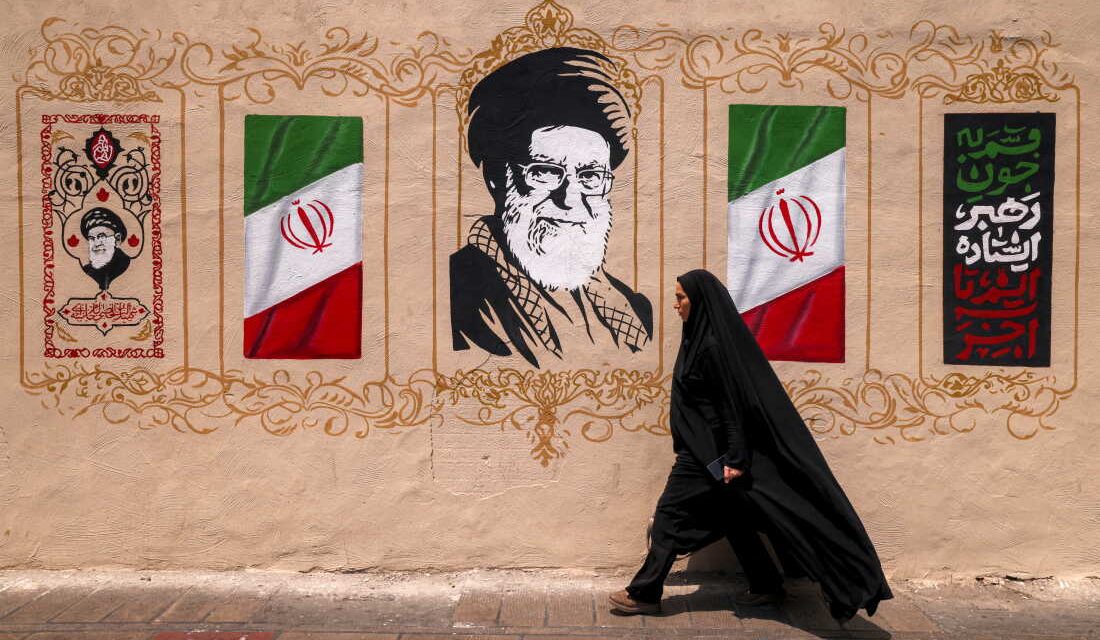
Half-Year Status of the U.S.-Israel War with Iran
The conflict between the U.S., Israel, and Iran has persisted for six months. Initially aimed at toppling the Iranian regime, Iran’s leaders have maintained their hold on power, intensifying their stance instead of collapsing. This piece examines the situation at the war’s six-month mark.
Intense Military Engagement
From February 28 to April 8, the U.S. and Israel carried out extensive bombing operations against Iran. These strikes resulted in the deaths of numerous senior Iranian officials, including Ayatollah Ali Khamenei. The initial five weeks decimated Iran’s air force and navy while striking its missile and drone facilities. Despite these military losses, Iran has managed to sustain missile and drone strikes in sporadic exchanges.
Iran’s capacity to disrupt the Strait of Hormuz remains significant, presenting a formidable threat to regional countries, including Israel. The World Health Organization reports that the conflict has led to 3,375 Iranian deaths and over 33,000 injuries. The Pentagon notes 18 U.S. military casualties and hundreds injured. Military presence remains in the region, ready to act should orders be given, although reduced U.S. munitions stockpiles have raised concerns about sustaining intense conflict.
The Strategic Importance of the Strait of Hormuz
Iran has leveraged the Strait of Hormuz as a vital strategic tool, disrupting the global transportation of oil and liquefied natural gas. Efforts to negotiate regional passages have stalled, with the Trump administration rejecting Iranian claims and imposing threats against Oman. Gulf countries, dependent on this waterway, struggle to find alternate routes. Analysts suggest the Strait of Hormuz will continue to be essential for shipping.
Difficulties in Diplomacy
Diplomatic efforts post-ceasefire revealed challenges, as negotiations with Iran produced minimal progress. Alex Vatanka of the Middle East Institute highlights the historical complexities and foresees compromise as the likeliest outcome. Recent U.S. strategies include Operation Economic Outcast, imposing sanctions on Iran’s already strained economy.
Vatanka underscores the internal consensus in Iran regarding the risks of endless conflict, with figures like Mohsen Rezaei and Ahmad Vahidi favoring renewed dialogue. However, trusting solely in repression raises questions about the sustainability of the regime’s approach.
Economic and Humanitarian Concerns
The Iranian populace faces severe economic and life challenges due to the war and financial policies. The IMF projects a 5.4% contraction in Iran’s economy, coupled with inflation exceeding 80%. Citizens share stories of increased debt and shortages in basic goods, highlighting the dire state of daily life.
Sarah, affected by asthma, documents her challenges in obtaining local medicines amidst rising prices. Protest fears grow as scarcity continues, leading to escalated government intimidation. The UN notes a surge in executions and arrests during recent protests. According to Vatanka, regime change requires strategic planning beyond street protests, highlighting potential defections as critical steps.
“You’re dealing with an animal that is willing to kill you,” Vatanka cautions.
Reporters Hadeel Al-Shalchi and Greg Myre provided coverage from Istanbul and Washington, D.C., respectively.
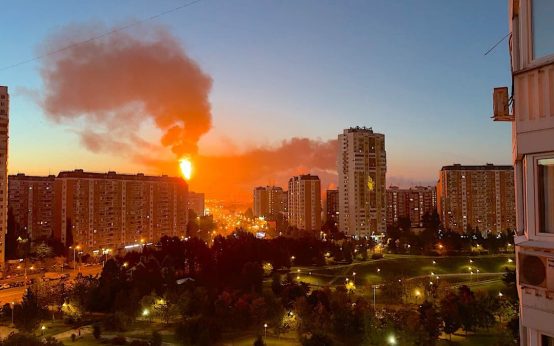 Ukraine Missile and Drone Barrage Hits Russia Amidst Elections
  U.S. Strategic Goals Remain Unmet Amid Prolonged Conflict
  New Photos Reveal Damage from Iranian Strikes in the Middle East
  Assassin of Chilean Diplomat Orlando Letelier Faces Deportation 50 Years After Assassination
  Gorillaz and Macklemore Respond to Controversy Over Israel-Palestine Statements
  Investigation into Lion Deaths in Tanzania