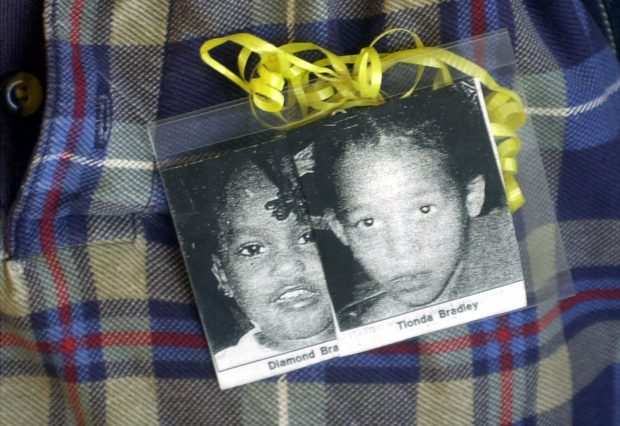
The U.S. Supreme Court recently restricted the use of geofence warrants, affecting how law enforcement can access location data. This conversation is far from over. As a former Chicago police officer, I experienced firsthand the urgency to use every available tool in investigations, such as during the disappearance of Tionda and Diamond Bradley in 2001.
Geofence warrants allow investigators to identify devices in a specific area during a certain time, as seen in a 2019 federal credit union robbery investigation. This method provides insight into who was present at a crime scene. However, there is fear that they may infringe on personal privacy and liberty. Traditional investigation methods like checking ticket records or surveillance footage have always existed and were accepted. The line blurs when the reach becomes invisible and comprehensive.
Having access to location data reveals more than just a presence at a crime scene. It maps out personal details such as hospital visits, political activities, worship places, and more. The concern is the power these tools hold and whether there are adequate boundaries to their use before they become standard practice without oversight.
Despite the Supreme Court’s attempts to address these issues through decisions like Carpenter v. United States, which highlighted the privacy implications of location tracking, operational frameworks are still needed. These frameworks should ensure investigations remain focused and don’t turn into extensive data fishing expeditions.
Google’s policy change in 2023 limiting data storage emphasizes the need for congressional action to define these boundaries. Implementing narrow geographical ranges and specific timeframes for examining data should be standard. Like searching a specific house, digital searches must have precise limits.
The use of technology in law enforcement, such as drones and license plate readers, often begins with stringent promises but can expand quietly. Without statutory limits, there’s a risk that the framework for geofence warrants may not withstand misuse by less principled entities.
Even with compelling reasons to use such tools, it’s essential to build a framework that can prevent potential abuses. Only then can advancing technologies balance the scale between justice and individual liberty.
Louis Martinez is a retired Chicago Police Department officer, a criminal justice professor, and the author of “The Violent Brain: A Study in Neurocriminology.”