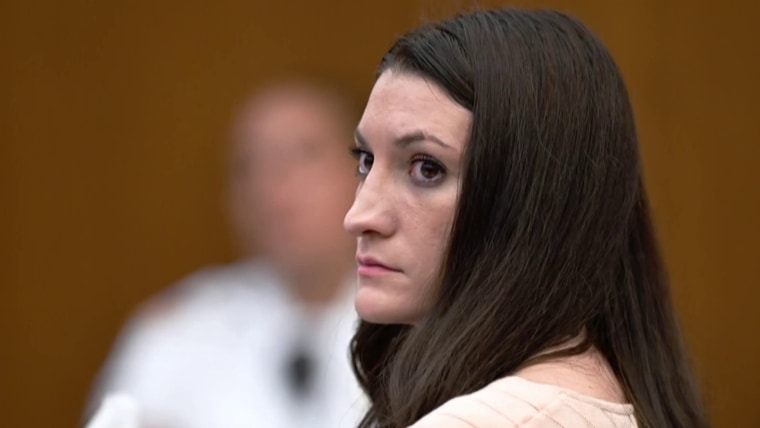
A Troubled Journey
Lindsay Clancy’s life spiraled into tragedy in the months before she killed her three children on January 24, 2023. Despite desperate attempts at seeking help, Clancy navigated a healthcare system that failed her. She saw psychiatrists, a suicide hotline, and visited emergency rooms, yet faced barriers to inpatient treatment.
During this period, Clancy was prescribed 13 medications over four months to address her persistent symptoms and the adverse reactions she experienced. Her defense attorneys argue Clancy suffered from postpartum psychosis, a severe mental illness altering her perception of reality. According to them, this condition led her to act on intrusive thoughts urging the tragic actions she took.
Trial and Healthcare Examination
Clancy’s trial unfolded over nearly six weeks, with prosecutors calling 70 witnesses to build their case. The focus was on demonstrating whether Clancy planned the killings, suggesting motives behind driving her husband from the house. Her defense highlights the impact of postpartum psychosis, a rare psychological disorder often misdiagnosed, complicating Clancy’s case.
Questions arise regarding the medical care Clancy received. The integration and coordination among her healthcare providers were flawed, leading to gaps in understanding her condition. This, among other systemic issues, reflected poorly on the communication within the healthcare network tackling serious mental health disorders.
Experts in mental health during pregnancy noted significant missteps in Clancy’s diagnosis and treatment. Dr. Veerle Bergink emphasized Clancy’s responses to medication indicated issues beyond postpartum depression. Moreover, Dr. Tracy Moran Vozar highlighted the pervasive communication issues within the healthcare system, exacerbating challenges for patients seeing multiple providers.
Timeline of Care
From September 2022 onwards, Clancy engaged with various healthcare professionals, starting her journey with psychiatrist Dr. Jennifer Tufts. Initial symptoms included anxiety, depression, and decreased pleasure, though she reported no voices or harmful thoughts.
Dr. Tufts diagnosed Clancy with generalized anxiety and adjustment disorders, prescribing Zoloft to alleviate her symptoms, which later resulted in worsening conditions.
By October, Clancy’s deteriorating mental state led to new prescriptions including Ativan, buspirone, and hydroxyzine, yet her conditions worsened. Subsequent visits in November reflected continued struggles with insomnia, anxiety, and fears of suicide. Adjustments in medication did little to improve her prognosis.
The cycle continued into December, marked by new prescriptions and further decline in mental health. Clancy’s symptoms now included suicidal ideation and dissatisfaction with treatment efficacy. Healthcare professionals failed to recognize the signs pointing to postpartum psychosis, focusing narrowly on depression.
January: A Turn for the Worse
January began with renewed consultations and a steady stream of medication adjustments. Clancy voiced consistent concerns over side effects, experiencing numbness and disruption in sleep. Throughout her engagements, signs of psychosis were reportedly absent.
Clancy’s care trajectory culminated in a tragic climax, highlighting the critical need for enhanced healthcare coordination and response strategies for mental health emergencies.
If you or someone you know faces emotional distress, contact the 988 Suicide & Crisis Lifeline via call, text, or chat at 988lifeline.org.
 Mental Health Challenges for Women with Type 2 Diabetes
  ChatGPT’s Optional Trusted Contact Feature for Suicide Prevention
  Analysis of Lindsay Clancy’s Murder Trial and Mental Health Debate
  Grieving Mother Honors Late Son During Wedding Ceremony
  Mental Health Risks Linked to Prescription Weight-Loss Medication
  Dae’Quan Wright’s NCAA Return and Jizzle James’ Challenges