
Opinion polls often indicate that Democrats have a strong likelihood of capturing the House and Senate in the ongoing midterm elections, which include early and mail voting. However, it is crucial to remember that these polls are not foolproof.
The unexpected win of President Trump against Hillary Clinton in the 2016 election serves as a reminder of the potential inaccuracies in polls and expert predictions. This event highlighted the need to approach poll results with caution and to consider the myriad factors that can influence electoral outcomes.
Polls are tools that provide a snapshot of voter sentiment at a specific moment. They are subject to variability and can be affected by changes in public opinion as the election approaches. Thus, relying solely on poll data for predictions can be misleading.
While polls can offer valuable insights into trends and voter preferences, they should not be the only source for understanding political climates. A comprehensive assessment requires looking at various indicators and being aware of the limitations inherent in polling methods.
 Youth Voter Turnout and Mass Shooting Concerns
  Minnesota’s Somali Community Reacts to Raid on Rep. Ilhan Omar’s Residence
 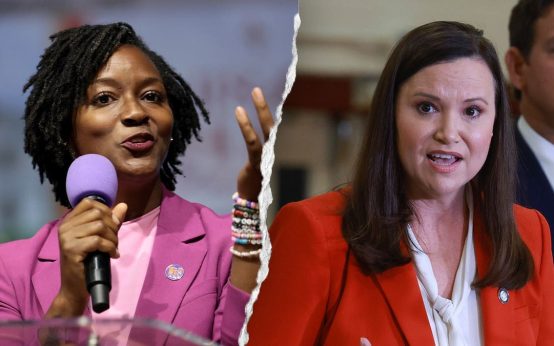 Florida Senate Candidate Angie Nixon Calls for Legal Action Against Opponent Ashley Moody
  Formal Complaints Filed Against New White House Press Secretary Katie Zacharia
  Texas Faces Lawsuit Over Voter Registration Backlog
  The Massacre Generation: Fear and Policy Views