
As midterm elections approach, a notable tax issue may emerge. Unlike taxes on billionaires or the wealthy, this one is lesser-known: the 0.9% Medicare surtax, introduced as part of the Affordable Care Act in 2013. This surtax is crucial for funding Medicare, which is a significant expense in the national budget.
Understanding the Medicare Surtax
The surtax initially targeted high earners. For married couples filing jointly, it applies to income exceeding $250,000. For single filers, the threshold is $200,000. On surpassing these limits, an additional 0.9% tax is levied, atop the standard 1.45% Medicare tax.
For example, a married couple earning $400,000 would face the surtax on $150,000 of their income, resulting in an extra $1,350 in taxes. While this may not drastically impact high earners, it often catches them off guard during tax season.
The Element of Surprise
Many taxpayers remain unaware of this surtax because it is not visibly deducted like Social Security taxes. Employers begin withholding it only after an individual’s income exceeds $200,000, which often leads to surprises for dual-income households.
Consider a scenario where one spouse earns $180,000 and the other $150,000. Their combined income of $330,000 exceeds the joint filing threshold. However, since neither earned over $200,000 individually, the surtax might not be withheld until they file their return.
Political Ramifications
The hidden nature of this tax and the unexpected increases it causes make it politically appealing. As Medicare requires significant funding, increasing this surtax is less contentious than reducing benefits for seniors.
This approach follows a recurrent pattern in tax policy, where the government seeks more revenue through additional taxes on perceived high earners. The concern is that the definition of ‘rich’ keeps broadening to include more demographics.
The current economic landscape reflects an already shrinking taxpayer base bearing the bulk of taxes, with top earners contributing a significant share. However, the reliance on hidden taxes to meet financial needs remains a contentious strategy.
Conclusion
The 0.9% Medicare surtax exemplifies a tax policy potentially gaining prominence in the coming elections. While designed to bolster Medicare funding, its implications for taxpayers and political discourse warrant close attention.
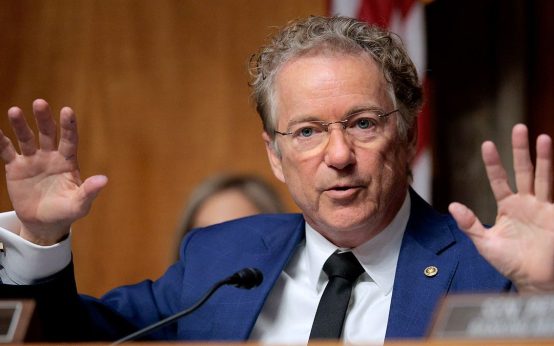 Sen. Rand Paul Criticizes Trump’s Proposed Financial Plan Amid Rising National Debt
  U.S. and China to Discuss AI Transparency
  Fraud Investigation of Autism Center Raises Questions for Minnesota Senate Candidate
 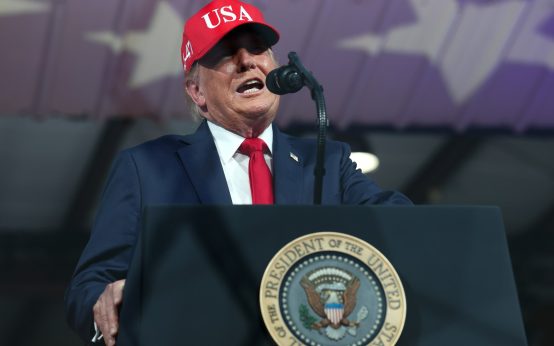 Gen Z Voters and Their Impact on the 2026 Midterm Elections
  Rep. Alexandria Ocasio-Cortez Defends Macklemore Amid Tour Controversy
  Influence Concerns Surround California Political Donors