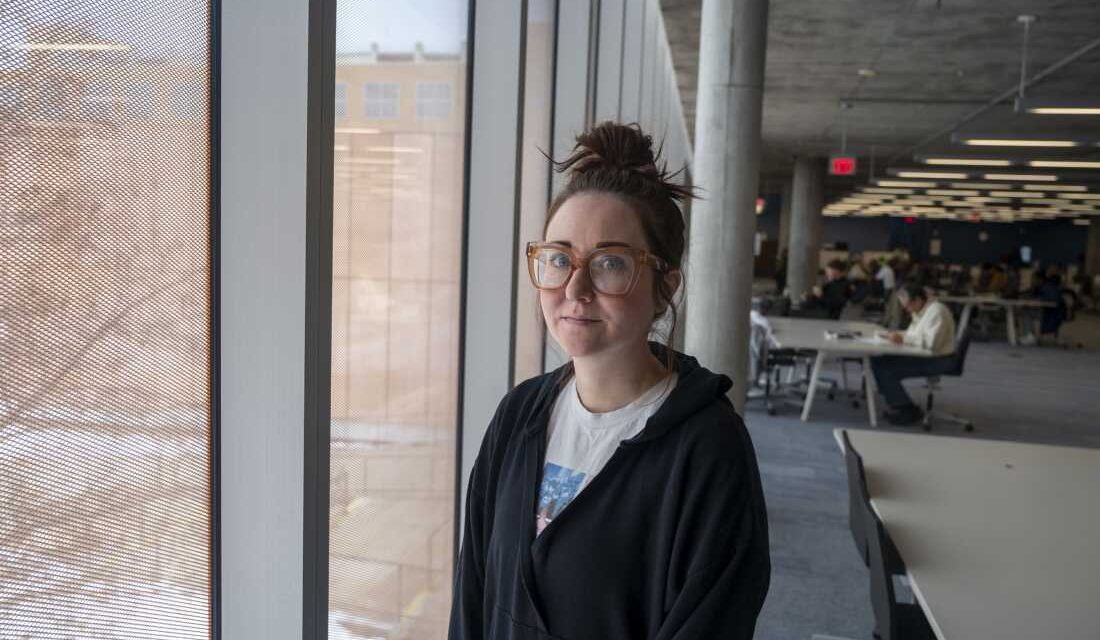
Morgan Newman, a cervical cancer survivor, faced an unexpected diagnosis in 2015. At only 24, while working as a dental assistant in Des Moines, Iowa, she was also pursuing a career as a social worker. An abnormal Pap smear led to a follow-up exam, during which excessive bleeding stopped the procedure. Referred to a gynecologic oncologist, Newman was diagnosed with cervical cancer. The news disrupted her plans, coinciding with her first move into her own apartment.
In Iowa, and across the nation, cancer survival rates are rising. The National Cancer Institute projects that cancer survivors in the U.S. will number 22 million by 2035. Despite increased survival, many face mental health challenges post-treatment. After undergoing six weeks of radiation and chemotherapy, Newman’s follow-up scans revealed concerning lung nodules, necessitating more chemotherapy.
The physical toll of the cancer treatments was immense, compounded by psychological struggles as peers advanced in their lives. “My friends were getting married and having children,” she reflected. Financial constraints and a demanding schedule forced her to pause therapy for anxiety and depression. Therapy was unaffordable amidst new medical bills.
By 2017, Newman secured better health benefits through a new job, allowing her to return to therapy. She speaks about the emotional difficulty of seeing friends with children, as radiation left her unable to conceive. Now, nearly a decade later, Newman remains cancer-free. Her work with the American Cancer Society and involvement with other organizations in Iowa highlight her commitment to prevent cancer.
“The fear of the unknown really takes over and can physically impact your body, as well as your mind, of what if the cancer is back,” Newman shared.
Research indicates that cancer survivors frequently experience prolonged anxiety and depression. A national survey by Cancer Nation found around one-third of surveyed patients feared cancer recurrence and struggled with identity. Only 20% sought mental health help. Shelley Fuld Nasso, CEO of Cancer Nation, explained the scarcity of mental health professionals knowledgeable about cancer’s impact complicates access to care.
Iowa’s rising cancer rate is the second-highest nationally, yet access to mental health services, especially in rural areas, is limited. Dr. Richard Deming, from the MercyOne Richard Deming Cancer Center, has introduced yoga and counseling services to aid mental health.
Newman sought out therapist Julie Larson, recognizing a need for specific support post-treatment. Larson observed that cancer survivors often realize their emotional needs long after their physical recovery. She advocates normalizing the emotional intensity of cancer experiences through her writings and speaking engagements.
“Physically, people’s bodies have changed, and they are reconciling loss and grief,” Larson noted.
Medical professionals like Patricia Ganz, an oncologist and academic, express concern that oncology often overlooks mental health. While cancer treatment is well-practiced, psychological support remains underdeveloped. “We know how to give pills, but we’re not really schooled in the antidepressants,” Ganz acknowledged.
The Richard Deming Cancer Center addresses this gap by offering mindfulness, music therapy, and counseling, seeking a holistic approach to patient care. “You get cared for intensely when you’re getting treated for cancer,” said Dr. Deming in highlighting the need for continuous support post-treatment.
To fully address cancer, medical practitioners must consider more than just physical symptoms. “We have to ask, ‘What are the issues you’re experiencing?’ Not just, ‘Do you have cancer?'” Deming emphasized.
 Mindfulness: Manage Stress by Embracing the Present
  Missouri’s Abortion Policy: Conflicting Amendments and Voter Decisions
  The Impact of Extended Job Searches on Mental Health
  Philanthropic Shift Towards Supporting Women in Midlife
  Measles Exposure in Philadelphia Raises Health Concerns
  Lawsuits Claim Vision Loss Risk from GLP-1 Medications