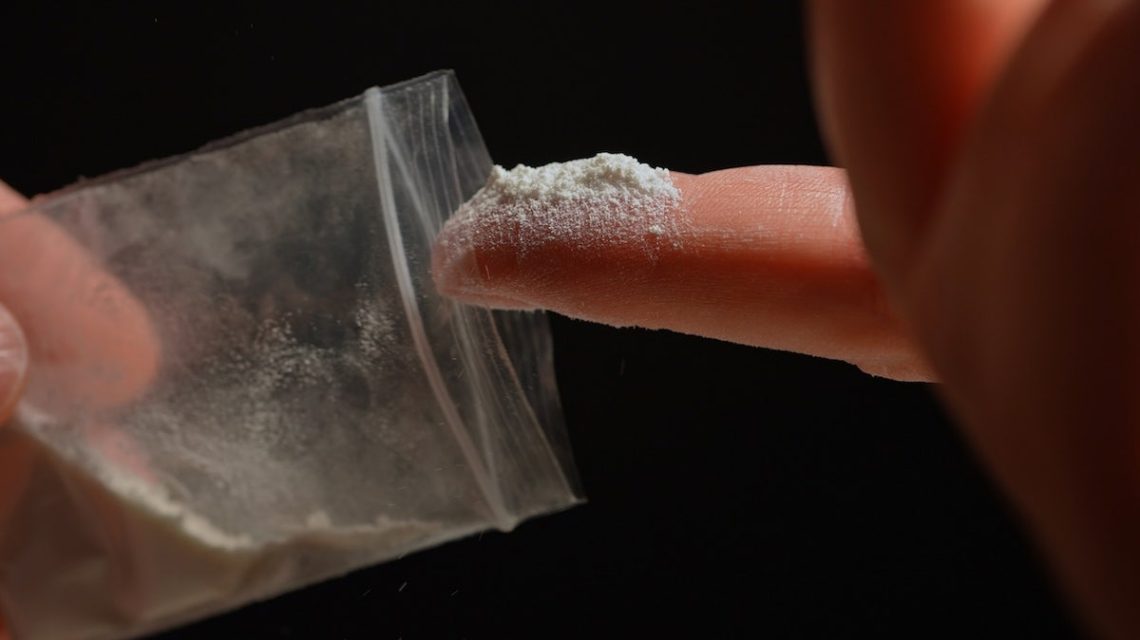
The United States faces a growing public health challenge with a new synthetic opioid, cychlorphine, considered more potent than fentanyl. Recent reports highlight its link to numerous fatalities across the country.
Impact Across the Nation
Tennessee has emerged as a significant area of concern, as the state’s health department reported over 30 fatalities associated with cychlorphine since late 2025. The White House Office of National Drug Control Policy noted 41 deaths in Tennessee from mid-2025 to early 2026 and at least 55 deaths nationally.
Additional deaths are reported in states like Illinois, California, and Oklahoma. The potency of cychlorphine, according to the Los Angeles County Department of Public Health, poses significant risks, as minimal exposure can lead to respiratory arrest.
Characteristics and Risks
Cychlorphine, unapproved for medical use, targets the same receptors as fentanyl and triggers severe sedation and respiratory suppression, potentially leading to death. It’s frequently found in illicit drugs and counterfeit pills. Young individuals may be at higher risk of exposure due to drug experimentation tendencies.
Cychlorphine is regarded as one of the most potent synthetic opioids currently present in illegal drug supplies.
Nicholas Kardaras, Ph.D., described cychlorphine as an exceedingly potent drug in comparison to fentanyl, estimating it to be up to ten times stronger, thereby up to 500 times more potent than morphine or heroin.
Consumption and Detection Challenges
Available in pill form, powder, or intravenous use, cychlorphine is consumed in various ways, often unknowingly mixed into other drugs. Its allure lies partly in its powerful effects, yet it frequently presents unknowingly in potent drug combinations.
Current fentanyl test strips and standard opioid urine screens cannot detect cychlorphine, leading to further challenges in managing its impact. This lack of detection capability adds complexity to tackling this drug crisis.
Responding to Overdoses
Naloxone, known commercially as Narcan, can counteract cychlorphine’s effects, but multiple doses might be necessary. Anecdotal evidence suggests that doses required to reverse an overdose might be as high as five or six.
The DEA emphasizes administering naloxone immediately and calling emergency services, with readiness to administer repeated doses as needed.
Given cychlorphine’s potent nature and detection difficulties, it represents an ongoing challenge in drug management and public health safety. Addressing these issues requires vigilance and adaptive strategies to mitigate risks effectively.
 Infections Linked to 1 in 8 Cancer Cases Globally, Study Finds
 Cancer Concerns Rise Among Iowa Voters Due to Environmental Factors
 Choosing the Right Mouthwash for Braces
 Rising ObamaCare Premiums and Enrollment Challenges
 Christina Applegate Faces Misdiagnosis of Multiple Sclerosis
 Christina Applegate’s Health Struggles and Misdiagnosis of MS