
Understanding political alignments on climate issues requires looking beyond typical party labels. Consider the case of a young Republican who supports solar energy but opposes a carbon tax. This indicates a nuanced stance that prioritizes renewable energy adoption without endorsing direct taxation.
Similarly, climate change acknowledgment does not always unify policy approaches within a party. Two Democrats, both affirming the reality of climate change, might differ sharply regarding policies that increase energy costs when usage surpasses a monthly cap. Such differences underscore the intricate nature of climate opinions that defy strict partisan lines.
These examples demonstrate how individuals consider varied factors, including economic, environmental, and social impacts, before forming their climate policy preferences. The intersection of personal values, economic concerns, and environmental priorities shapes their views, resulting in diverse policy stands within parties.
By exploring these complexities, we gain deeper insights into how climate opinions form and evolve, providing a better understanding of how to engage in meaningful climate change discussions across political divides.
 The War on Poverty: A Lesson on Intentions and Outcomes
 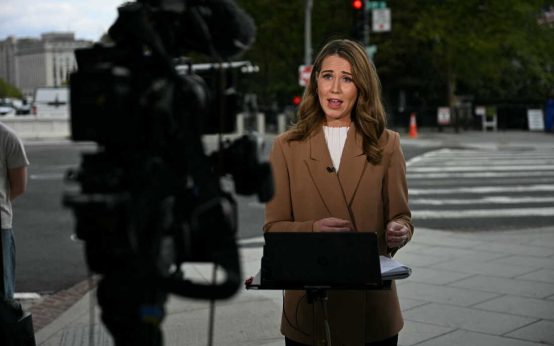 Reporters Blocked from White House by Trump Administration
  Universities Should Reject Political Influence on Research Funding
  Trump’s Approach to China: Trade Dynamics and Challenges
  Media Outlets Sue After White House Ban
  American Public Opinion on Press Freedom