Strait of Hormuz Under Scrutiny Amid U.S.-Iran Friction
The U.S. President, Donald Trump, announced on Tuesday that no talks are planned with Iran, while affirming the Strait of Hormuz remains “open and operating” despite reduced traffic and an attack on a ship exiting the waterway. Earlier, Trump threatened to bomb Oman, as Oman negotiated with Iran regarding shipping through the strait, according to two regional officials. Iran has stipulated that the passage will remain shut unless the U.S. complies with its demands.
Engagements between Iran and Oman continue, and a strike affected a vessel in the strait. Additionally, Iran-backed Houthi rebels claimed responsibility for drone attacks on a Saudi oil refinery, increasing tensions in the region.
President Trump Highlights U.S. Presence
Amid Oman and Iran nearing a deal to reopen the strait, Trump reaffirmed the U.S. blockade’s “full force and effect” and suggested all water mines are cleared. He shared a mapping of the strait claiming it as U.S. territory. In response, Iranian Deputy Foreign Minister Kazem Gharibabadi dismissed Trump’s assertion, stating the perception will be adjusted.
The Trump administration expressed concerns over parts of an evolving Iran-Oman agreement, including shared control of exit routes and voluntary fees collection from vessels for security and environmental purposes. Anonymous officials, citing confidentiality, outlined U.S. opposition to these aspects.
The White House, referencing Trump’s recent Oval Office statements, opted not to provide further comments.
Egypt Envisions Potential for Wider Diplomatic Engagement
The Egyptian Foreign Ministry suggested the Iranian-Omani negotiation could catalyze resumed U.S.-Iran talks, aiming for a holistic and lasting agreement that elevates regional stability and security. Egyptian and Omani foreign ministers discussed this prospect, though Trump’s Oman threat was not addressed.
The U.S. and Iran concluded a 60-day negotiation period with no evident resolution to the ongoing conflict. Meanwhile, ship crossings through Hormuz have notably dropped, falling 19.5% to 95 transits last week, peaking with three vessels on Sunday. The Iranian-designated route saw activity, whereas Omani routes remained largely unused.
Conversely, Bab el-Mandeb Strait transits grew by 6.7% to 254, with “dark transits” diminishing from 40 to 16, provided by Kpler shipping data.
Projectile Incident Raises Safety Concerns
An unidentified projectile struck a ship in the Strait of Hormuz near Oman, impacting its engine room and resulting in a crew casualty per the British military’s UK Maritime Trade Operations center. Specifics regarding the ship or cargo were omitted, and the casualty’s extent was unspecified.
The Omani Coast Guard rendered assistance, with authorities investigating further. Environmental harm remains unreported.
Houthi Rebels Escalate Attacks
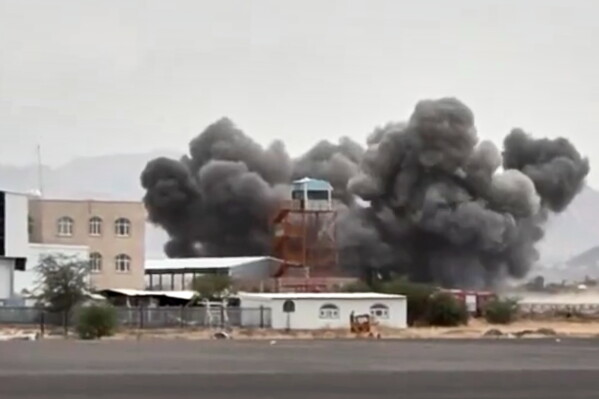
Yemen’s Houthi rebels, backed by Iran, claimed drone assaults on a Saudi oil refinery, intensifying hostilities and possibly sparking renewed civil war. The target, a Saudi Aramco facility, was detailed in the Houthi-run SABA news. Immediate damage assessments or Saudi commentary are pending.
The Houthis have intensified attacks on Yemeni government forces, Saudi oil infrastructures, and Red Sea shipping. This escalation offers a crucial alternative to Hormuz’s strategic relevance.
 NATO’s Commander Warns of Strong Response to Potential Russian Aggression
 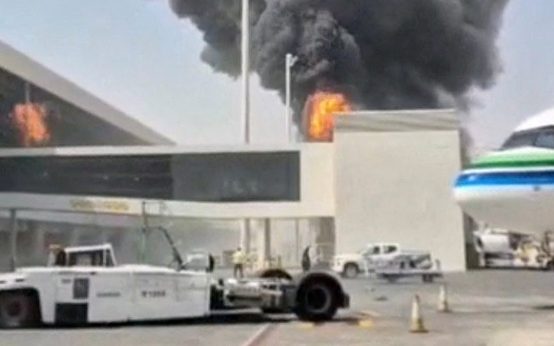 Houthis’ Attack on Saudi Airport Sparks Controversy in Wrestling Event
  Trump’s Diesel-Deal Feud with Zelensky Obscures a More Important Effort
  Energy Ceasefire Challenges Amid Russia-Ukraine Tensions
  Trump’s Stance on Energy Prices and Ukraine-Russia Conflict
  Impact of U.S. Policy on Ukraine and Russia