Alice Sebold’s Harrowing Experience
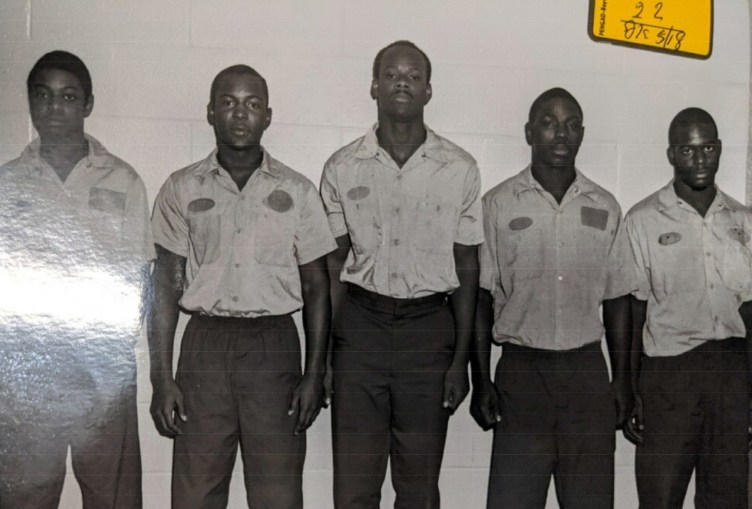
On May 8, 1981, Alice Sebold, a freshman at Syracuse University, was brutally raped while walking home. Anthony Broadwater was arrested months later and, despite weak evidence, convicted for the crime. He spent 16 years in prison, refusing to admit guilt, and was labeled a sex offender upon release in 1998. Sebold’s memoir, Lucky, based on the attack, gained fame after her novel The Lovely Bones succeeded. Decades later, Broadwater’s conviction was overturned.
Syracuse’s Failures in Law Enforcement
Syracuse Police’s handling of rape cases was notably deficient. Sebold’s case was one among many similar crimes, yet police ignored the mounting assaults. The dorm rooms, apartments, and public areas were frequent crime scenes, with attackers using similar methods and descriptions. Law enforcement showed little urgency in addressing or solving these crimes.
Syracuse University’s Media Suppression
Evidently, Syracuse University discouraged media coverage of the increasing crime wave on campus in the 1980s. A former detective testified that police reports deemed “NO PRESS” silenced press coverage on various criminal activities near the university, prioritizing image over awareness and safety.
Police and Prosecutors’ Mistakes
Sebold mistakenly identified her attacker during a police lineup, pointing out a different person than Broadwater. Despite this, police and prosecutors pushed forward with the case against Broadwater, relying on limited evidence, such as superficial forensic analysis on hair samples. The district attorney at the time pressed on without critical evidence or reconsideration.
Bench Trial and Consequences
Hoping for fairness, Broadwater chose a bench trial; however, the verdict went sour. The judge showed overt empathy for Sebold, raising concerns about impartiality. The prosecutor leveraged courtroom dynamics, influencing the decision. Broadwater’s conviction did not halt the spate of sexual assaults in Syracuse.
The Emergent Suspect
Thomas Weakfall, a potential suspect, fit the attacker’s description better but was not connected to all crimes he confessed to. Legal technicalities voided his confession; thus, he was not prosecuted for many rapes, raising doubts about overlooked crimes and decisions impacting Broadwater’s case.
Behind the Conviction’s Reversal
Years later, producers exploring a film on Sebold’s experience instigated a reinvestigation, revealing inconsistencies. This led to legal efforts by local lawyers, resulting in a 2021 motion that cleared Broadwater’s conviction after over 20 years of being labeled guilty.
After the Exoneration
Post-exoneration, Sebold acknowledged doubts about reporting her attack. Broadwater still feels the impact of his wrongful conviction, battling the enduring stigma despite clearing his name and securing a settlement. Efforts to meet Sebold have been hampered, yet they maintain communication through intermediaries. Sebold acknowledges her role in Broadwater’s plight, expressing remorse in a heartfelt letter.
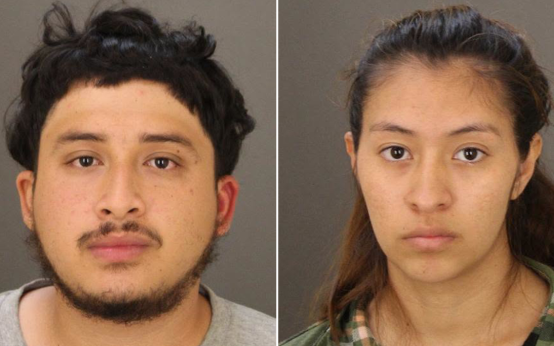 Maryland Parents Arrested After Infant’s Death with Severe Injuries
 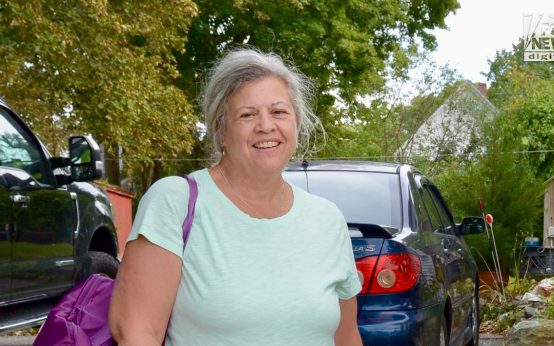 Jury Deliberations in Lindsay Clancy’s Murder Trial Stir Controversy
 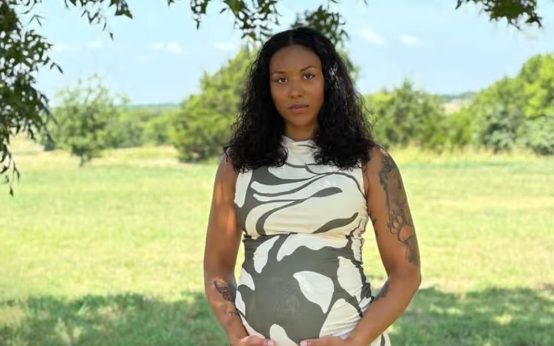 Surrogate Resists Abortion, Appeals to Supreme Court in Legal Dispute
  Inmates File Lawsuit Over Fires and Smoke in D.C. Jail
  Former CIA Chief Subpoenaed in Justice Department Investigation
  Ex-CIA Director Brennan Subpoenaed in Grand Conspiracy Probe