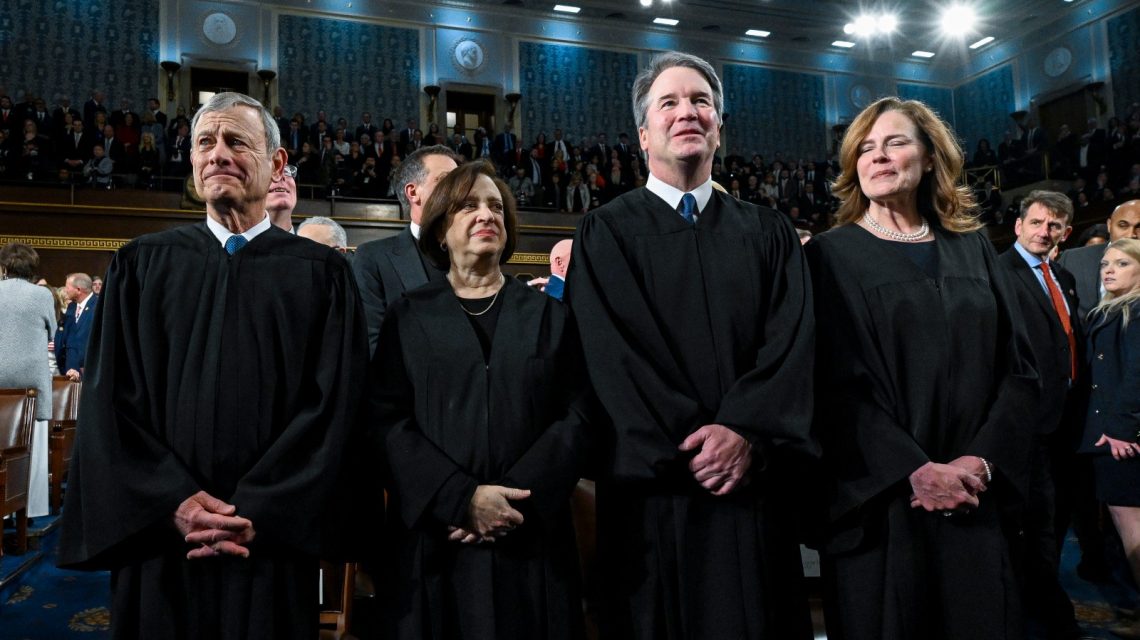
The Supreme Court is approaching the last phase of its term. Several crucial rulings are expected soon, involving presidential powers during Donald Trump’s administration. The decisions anticipated by early July will address disputes over immigration, federal agency independence, and election procedures. These rulings could have significant political repercussions ahead of the midterm elections.
Presidential Power at the Crossroads
Central to the docket are cases testing the limits of presidential authority. Among them are disputes over Trump’s efforts to remove officials from the Federal Reserve and Federal Trade Commission (FTC). Traditionally, presidents must demonstrate cause before removing leaders of independent agencies. The conservative majority has hinted at allowing expanded presidential control in some areas. A ruling favoring Trump might reduce these restrictions, giving future presidents increased sway over independent agencies. A decision against could preserve existing limits on presidential power.
Birthright Citizenship Ruling
Another major ruling involves Trump’s attempt to limit birthright citizenship. This challenge focuses on the 14th Amendment, which grants citizenship to most people born in the U.S. Lower courts have halted the policy, deeming it likely unconstitutional. If the Supreme Court upholds the order, it could overturn more than a century of precedent. Rejection would significantly hinder Trump’s immigration policy goals. Trump has expressed doubts about a favorable ruling, highlighting the case’s uncertainty. The issue has divided Republicans, with polling revealing 44 percent of party members supporting birthright citizenship.
The decision follows key immigration rulings, including one allowing the government to end Temporary Protected Status (TPS) for migrants from Haiti and Syria. Critics warn this could economically impact states with significant migrant populations.
Election Procedures Under Review
The court is also reviewing cases that could impact U.S. voting practices. One examines whether mail-in ballots must be received by Election Day or can count if postmarked in time and received later. Conservative justices have voiced doubts about extending deadlines, suggesting stricter national rules might be imminent. Another case challenges limits on coordinated campaign spending, potentially altering funding rules and free speech protections for political campaigns.
Case on Transgender Athletes
A high-profile case asks whether states can ban transgender athletes from girls’ school sports teams. The court’s conservative majority seems inclined to support the restrictions. A ruling endorsing the states could popularize similar laws nationwide. A decision otherwise could enhance federal protections for transgender students, affecting civil rights legislation in education.
Legal experts suggest the implications may span beyond athletics to broader anti-discrimination policies.
Privacy and Surveillance
The court is considering a case on “geofence” warrants. These allow authorities to collect phone location data near crime scenes to identify potential suspects. Critics claim this is a broad, unconstitutional search. Proponents see it as crucial for solving serious crimes. The decision could set new standards for digital privacy as law enforcement increasingly uses location data.
Mixed Outcomes for Trump
This term has shown varied results for Trump. The court has both supported and rejected his administration in different immigration and policy-related cases. This pattern makes predicting final outcomes challenging. Legal scholars believe the remaining rulings will clarify the court’s stance on presidential power—whether it will expand or maintain limitations in important areas.
Upcoming Developments
The court will issue more opinions in the coming days, concluding the term by early July. These decisions will not only affect Trump-era policies but also define the executive authority’s future scope. With significant cases pending, the closing days of this term will mark a key chapter in the court’s modern history.
 American Public Opinion on Press Freedom
  Media Lawsuit Against Trump Administration for White House Ban
  The Cost of Challenging Beijing
 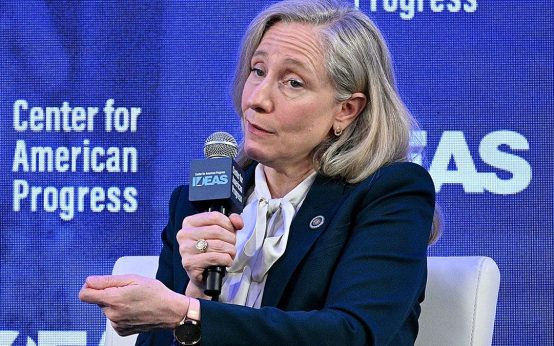 Analyzing Midterm Elections and Party Dynamics
 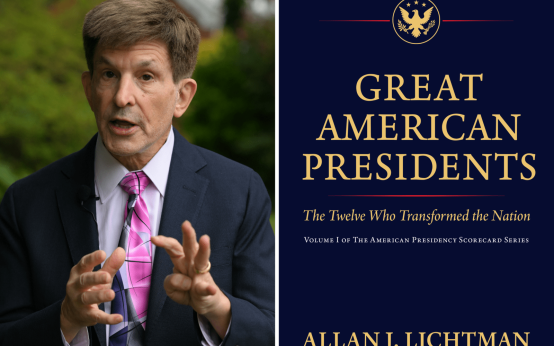 Allan Lichtman’s Framework for Assessing Presidential Greatness
 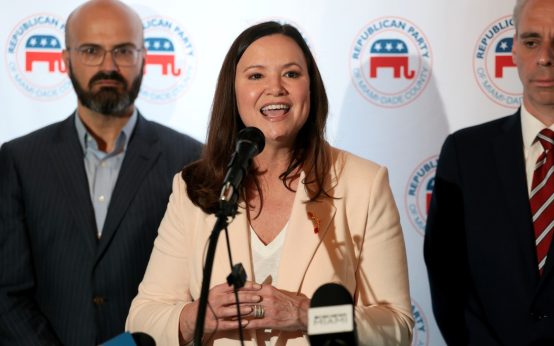 Florida Senate Race Tightens as Recent Polls Show Dead Heat