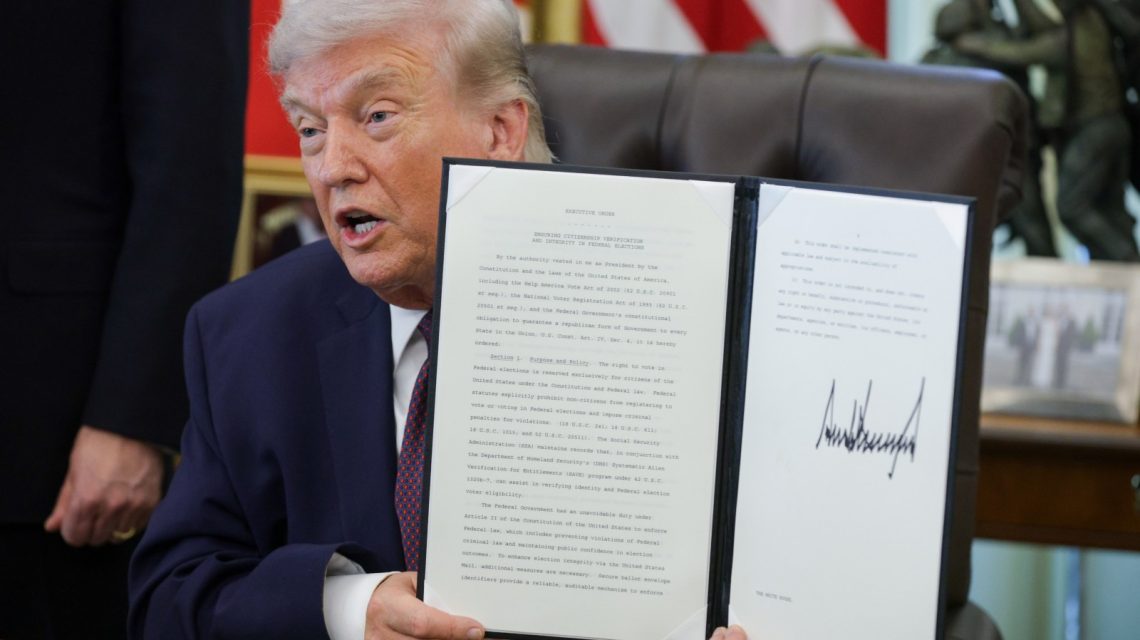
As the November midterm elections approach, the Trump administration sought urgent aid from the U.S. Supreme Court on Sunday. The appeal centers on allowing disputed U.S. Postal Service ballot restrictions to become effective immediately. This request followed a federal judge’s decision to block the plan while ongoing litigation continues in lower courts. The legal conflict is significant in this election cycle, focusing on how voters will cast ballots as the control of Congress remains uncertain. According to federal data, nearly a third of U.S. voters cast ballots by mail during the 2024 presidential election. This makes the outcome important for election officials, political parties, and voters. Several battleground and Western states, which could determine the congressional majority, heavily use mail voting. Newsweek reached out to the White House for comments on Sunday.
Time-Pressed Legal Maneuvering
In an emergency application, Solicitor General D. John Sauer urged the Supreme Court to overturn the block imposed by U.S. District Judge Indira Talwani on Friday. Judge Talwani, appointed during the Obama administration, determined that challengers, including Democratic-led states and voting rights organizations, are likely to argue successfully that the Postal Service policy encroaches on powers reserved for states and Congress by the Constitution.
The Trump administration argued that these rules are standard postal regulations aimed at ensuring election integrity and do not represent an illegal federal takeover of the electoral process. One key aspect of the litigation is whether the changes can realistically be adopted before Election Day. North Carolina has initiated the mailing of absentee ballots, with other states planning to follow soon.
The administration claimed in its filing that maintaining the injunction causes increased confusion among election officials who are preparing ballots under current systems instead of proposed standards. Opponents argue that changing procedures so close to Election Day risks major logistical disruptions for offices that have been preparing for the midterms for months. Some election experts suggested to Newsweek that even a legal victory for the Trump administration may come too late to significantly change mail voting operations in many states this year.
Political Stakes of the Legal Battle
This legal confrontation has crucial political repercussions for the midterms, with Congressional control at risk. Republicans aim to defend their legislative majorities while Democrats seek to leverage political challenges faced by the Trump administration to gain ground in the House and Senate. Gaining control of either chamber would empower Democrats to control committee agendas, subpoena power, and open additional avenues for investigations.
Democratic Representative Jamie Raskin of Maryland, a key member of the House Judiciary Committee, highlighted the charged partisan environment by stating that President Donald Trump has ‘undoubtedly’ engaged in impeachable offenses. He added that Trump continues to defy Congress, emphasizing how a shift in Congressional control could alter the remaining years of his presidential term.
The Trump administration defends the mail-ballot restrictions as reasonable measures designed to boost public trust in the election process. Critics argue these rules pose needless voting barriers and signify an unlawful expansion of executive authority into a domain traditionally governed by the states. The Supreme Court faces increasing pressure to decide sooner rather than later, as ballots continue reaching voters nationwide. The justices’ decision will impact the handling of mail ballots in the campaign’s final weeks and determine whether one of the administration’s key election-security initiatives persists.
 Public Confidence in the Supreme Court at Record Lows
  Federal Authorities Arrest California Lawmaker’s Aide for Visa Overstay
  Hasan Piker Addresses Controversial Comments and Political Involvement
  Lukashenko and Putin Share Light Moments While Strengthening Ties
  Kamala Harris on Possible 2028 Run Highlights Midterm Importance
  Lawmakers Urge End to U.S. Military’s Drug Boat Strike Campaign