The Supreme Court decided to allow political party committees to continue accessing discounted television and radio advertising rates. This ruling benefits Republican campaign organizations as they prepare for the 2026 midterm elections. The decision permits party committees to extend their advertising budgets.
This ruling is a continuation after the Supreme Court eliminated limits on coordinated spending between political parties and candidates. The matter centers on guidance from the Federal Communications Commission (FCC) in March. The guidance allowed party committees to qualify for the lowest advertising rates when coordinating with candidates. However, Democratic candidate and former Senator Sherrod Brown, among others, argued that these rates should be limited to candidates alone.
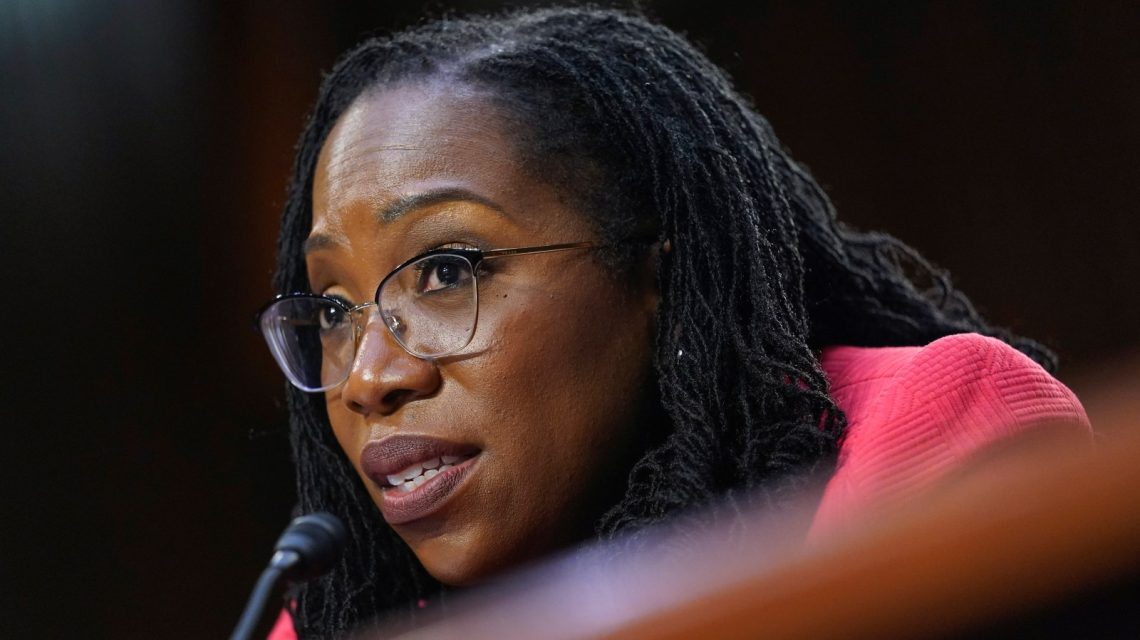
In dissent, Justice Ketanji Brown Jackson stated that the FCC’s administrative process didn’t prevent judicial review. She referenced a Fourth Circuit concurrence, emphasizing that an agency cannot avoid judicial review through delay or inaction.
Former Palm Beach County State Attorney Dave Aronberg commented on the ruling, explaining that the Supreme Court acted to prevent confusion in the broadcast industry. Yet, the decision grants a subsidy to national party committees, contrary to Congress’s intent, as the law restricts lowest-unit broadcast rates to candidates.
The Fourth Circuit Court of Appeals initially sided with challengers, leading Republican campaign committees to seek the Supreme Court’s intervention. The Supreme Court indicated that Republican committees likely faced harm from losing discounted rates because broadcasters began rescinding these favorable prices.
The Court stated that the party committees would suffer irreparable harm without a stay, as broadcasters were already withdrawing favorable rates. This action would increase advertising costs for the committees, affecting their ability to reach voters in crucial weeks leading to the midterms.
Justice Jackson dissented, but the Court’s action granted the stay. This did not provide a final resolution on the legal dispute regarding the FCC’s advertising rules interpretation.
Candidate Advertising Spending
Competitive congressional candidates often spend millions on advertising during elections. Statewide and presidential campaigns may spend tens to hundreds of millions on various outreach forms, including TV, digital, radio, and mail.
Federal Election Commission (FEC) filings indicate that the top three Democratic committees had about $136 million in cash by the end of July. This amount was less than half of the nearly $279 million held by major Republican committees. Additionally, Democrats had approximately $17.9 million in debt, while Republicans reported none.
 A Mother’s Tragic Journey Under Abortion Ban
  U.S. Strategic Goals Remain Unmet Amid Prolonged Conflict
  The Impact of Arts and Closure on Democracy
 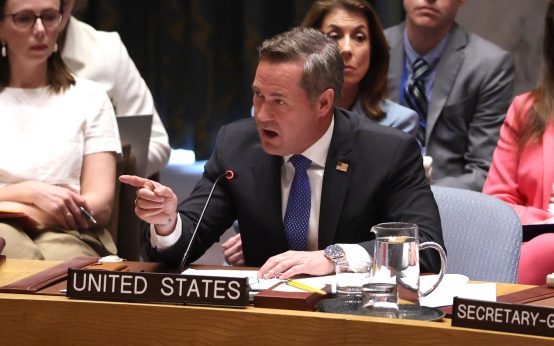 U.S. Ambassador Comments on Iran War Duration Amid Political Concerns
 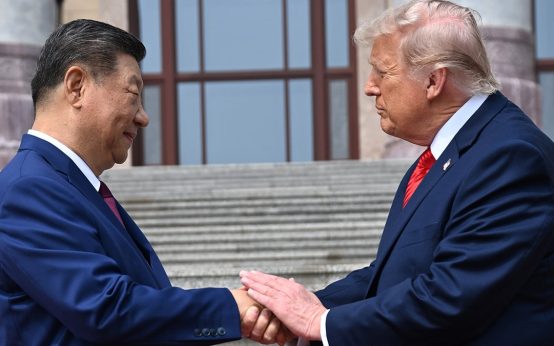 US-China Relations Under Scrutiny: Expert Warns of Escalating Tensions
  No Timeline for End of Iran Conflict