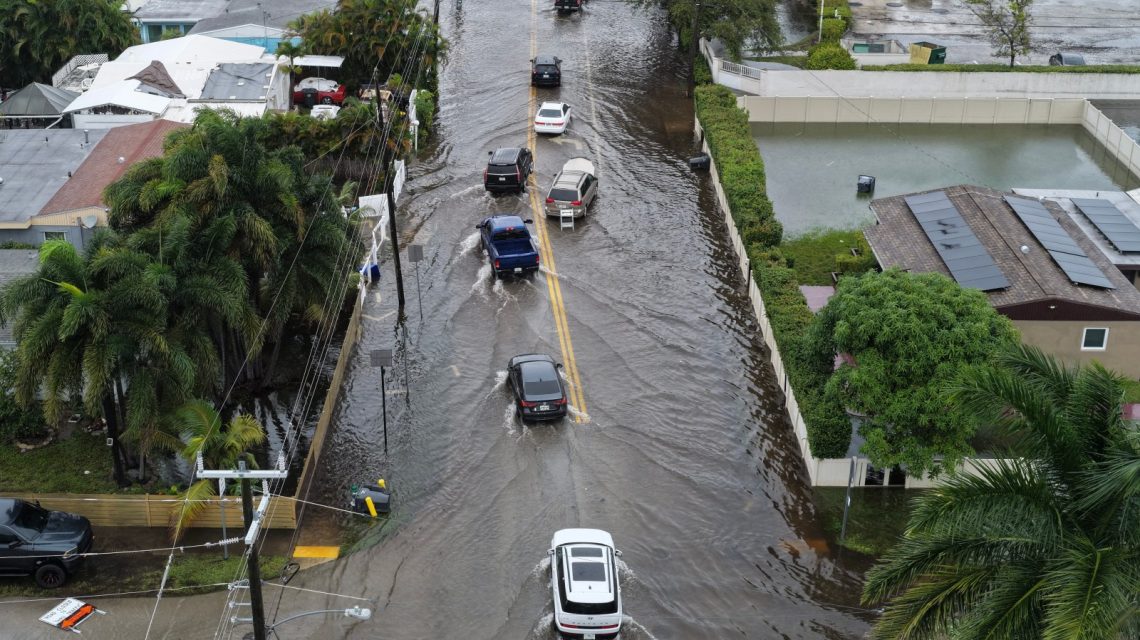
At least nine states have already faced extreme weather due to the strengthening super El Niño in the Pacific. Meteorologists warn that conditions might worsen in the U.S. as winter nears. Florida has been deluged with heavy rain, while the Pacific Northwest has endured multiple atmospheric river events, with another storm predicted this weekend. This comes after the National Weather Service’s Climate Prediction Center issued an update, predicting that El Niño will continue to strengthen and remain strong-to-very-strong through March next year.
Paul Pastelok, AccuWeather’s lead U.S. long-range forecaster, informed Newsweek that El Niño impacts can persist even after the climate pattern peaks, which hasn’t yet happened. He stated, “Just because the values start going the other way doesn’t mean El Niño still won’t be potent all the way through February or March. There’s a lag. It takes time for the atmosphere to unwind. We could be in for a rough period here for a while.”
Understanding Super El Niño
El Niño is a climate pattern in the tropical Pacific Ocean, characterized by unusually warm waters that can shift weather globally. Many meteorologists and agencies refer to the current event as a super El Niño. The National Oceanic and Atmospheric Administration (NOAA) calls this pattern “very strong.” Both terms indicate that waters are warmer than average, usually by 2 degrees Celsius or more. The current El Niño is already 4 degrees Celsius above average and rising, according to the Climate Prediction Center’s latest measurements.
El Niño-related impacts have notably affected the U.S. Southeast Florida was recently hit with heavy rain. Meteorologist Ben Noll reported more than 20% of Broward County’s average annual rainfall occurred in one day. “Extreme rainfall threats will persist for months due to El Niño, exacerbated by record warm Gulf and Atlantic waters,” Noll stated, warning of a challenging winter.
Besides Florida, eight other states have also encountered El Niño impacts. In the Pacific Northwest, atmospheric rivers, which are long, narrow moisture streams in the sky, brought extended heavy rain or snow to western Oregon, western Washington, and northern California. These areas faced significant rainfall, wind, coastal flooding, and mountain impacts. In southern California and the U.S. Southwest, El Niño influenced weather patterns, especially during the summer with an active Eastern Pacific hurricane season. Arizona and southern Nevada felt the effects of tropical moisture.
Scott Lawrimore, a meteorologist with The Weather Channel, noted a “rinse and repeat” pattern, where weather systems repeatedly affect the West Coast, Gulf Coast, and Florida this winter. “We are really starting to see these impacts now,” Lawrimore said.
The Northeast also faced early El Niño impacts. A nor’easter in late September caused flooding, power outages, and disruptions. In the East, Virginia, North Carolina, and Massachusetts were notably affected. While Mississippi, Louisiana, Arkansas, and Tennessee haven’t seen major impacts yet, they remain vulnerable. Pastelok mentioned storms possibly linked to El Niño occurred, though none significantly stood out.
El Niño’s Influence on the U.S.
Warmer waters exert greater influence on weather. In the U.S., El Niño leads to widespread impacts, particularly in fall and winter. Cool, wet conditions usually affect the South, while the North experiences warmer, drier conditions. The pattern can also alter storm tracks, determine if precipitation falls as snow or rain, and influence extreme cold spells. Lawrimore and Pastelok confirm that El Niño-related weather impacts align with expectations of intensified effects.
Anticipating Future Impacts
As the West Coast, Gulf Coast, and Southeast brace for continued El Niño-related weather through winter, Pastelok said some storms might also track across the central U.S., particularly impacting the High Plains, including Omaha, Nebraska, and Dodge City and Kansas City, Kansas. Individuals should monitor forecasts and prepare accordingly as storms develop.
 Challenges and Innovations at White Oak Pastures
 Debate Rekindled Over Gray Wolves and Livestock Losses
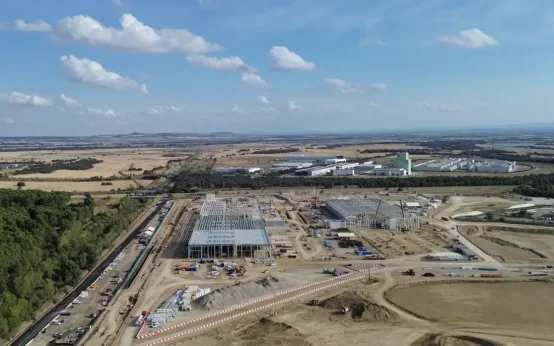 Protests Erupt Against Data Centers in Spain
 Bayer Settles Massive Roundup Lawsuit Over Cancer Claims
 Lewis Pugh Swims Strait of Hormuz Amid Conflict
 The Importance of the Senate’s Bipartisan Permitting Reform Deal