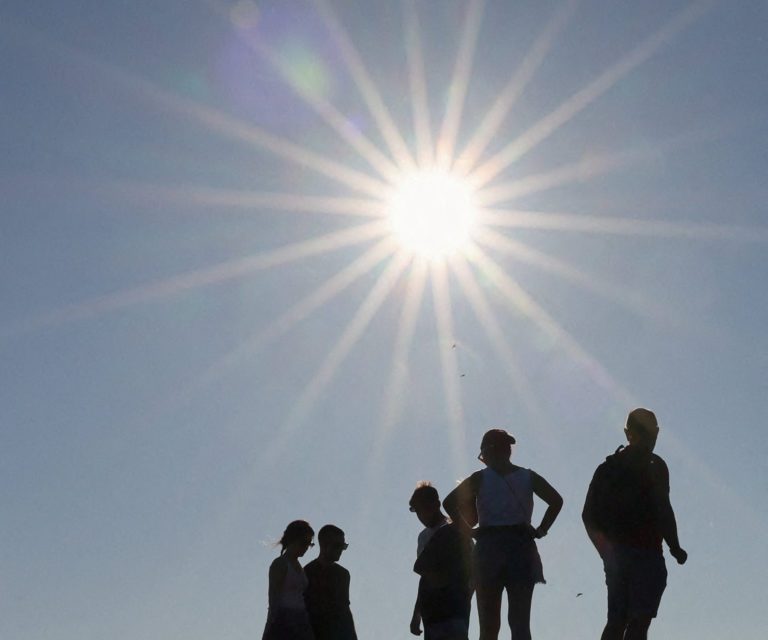
In Medinaceli, Spain, people are eagerly purchasing specialized glasses in anticipation of observing a rare total solar eclipse. Spanish authorities have issued warnings to those traveling to rural areas to avoid activities that could trigger wildfires.
NASA will begin its broadcast of the event at 1:15 p.m. EDT. Northern and central Spain will offer some of the best vantage points for this celestial event in mainland Europe. The eclipse will commence at sunset, with parts of the Iberian Peninsula, Greenland, and Iceland experiencing brief darkness.
The duration of totality, when the moon fully obscures the sun, will be under 2 1/2 minutes. This duration will be longest off Iceland’s west coast and will decrease to about a minute by the time it reaches Portugal and Spain, ending over the Mediterranean.
Amid high summer temperatures and ongoing wildfires, Spanish officials have initiated a public safety campaign. The eclipse is expected to attract at least an additional half a million visitors. Hotel bookings have surged in key areas along the eclipse path, including A Coruña, Bilbao, and Santiago de Compostela.
In Medinaceli, early arrivals secured prime viewing spots on grassy areas. Agatha Bak, a philosophy professor, is among those who’ve traveled to witness the spectacle, remarking on the thrill of watching the sudden darkness.
Preparation in Rural Areas
Spain’s Interior Ministry has established 350 official viewing sites in less populated regions, often termed “Empty Spain.” Access to 123 additional sites is restricted due to environmental concerns and potential evacuation challenges. A recent wildfire in Ávila devastated 500 square kilometers and displaced tens of thousands, highlighting the importance of precautionary measures.
More than 33,500 law enforcement personnel will be present at observation locations. The ministry emphasizes the need for extreme caution, considering the high temperatures and dry conditions. Efforts will focus on preventing wildfires, urging visitors to avoid lighting fires and littering.
Essential Equipment
Eclipse glasses are crucial for safe viewing, even if the sun is partially visible. Telmo Fernández Castro, of the Madrid Planetarium, notes that these glasses have filters that protect against harmful solar radiation. Stores and other venues across Spain have distributed these glasses, with many experiencing depleted stock.
In Madrid, a photo shop reported robust sales, assuaging concerns of eager customers eager to obtain proper eye protection.
Greenland Observations
Captain Sverre Rudd, aboard the MS Spitsbergen near Greenland, aims to secure the best viewing spot for his passengers by navigating carefully to avoid clouds.
For the passengers experiencing constant daylight north of the Arctic Circle, the sudden eclipse will offer a striking change as they witness two minutes of darkness.
Hotel Demand in Iceland
In Reykjavík, hotel prices have soared, with room rates exceeding $1,000 as the city braces for its first total solar eclipse since 1954. Weather forecasts predict clouds during the peak event, leading to potential disappointment for tourists who secured bookings well in advance. Despite this, the demand for accommodations remains intense.
The 70-room Hotel Keflavík is fully booked, with guests eager to witness about 1 minute and 45 seconds of totality. According to owner Steinþór Jónsson, such high demand rivals the historic Reagan-Gorbachev summit of 1986.
The Associated Press contributed to this report. Support for trustworthy journalism is essential to a functioning democracy.
 British Authorities Arrest Suspects in Alleged Terror Plot Near Military Base
 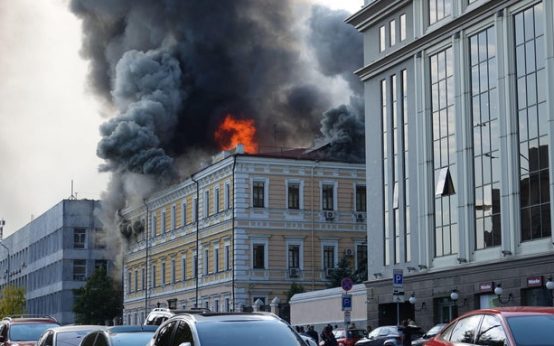 Russia Continues Aggression on Ukraine, Amidst Diplomatic Efforts
 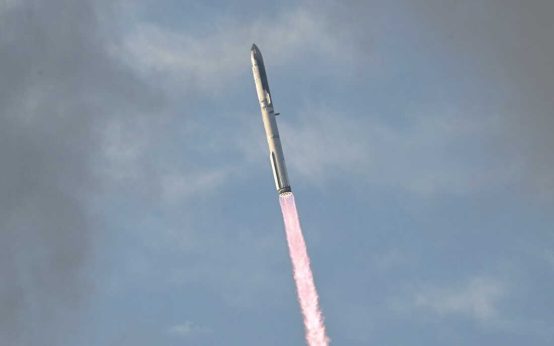 SpaceX Starship Completes Orbital Test Flight and Satellite Deployment
  Foiled Attack Near RAF Fairford Raises NATO Tensions
 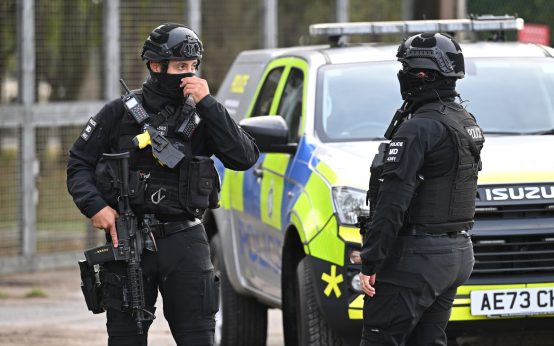 Heightened Risks at U.S. Military Bases in U.K. Amid Iran Conflict
  Ukraine’s Strategic Challenges in Air Defense