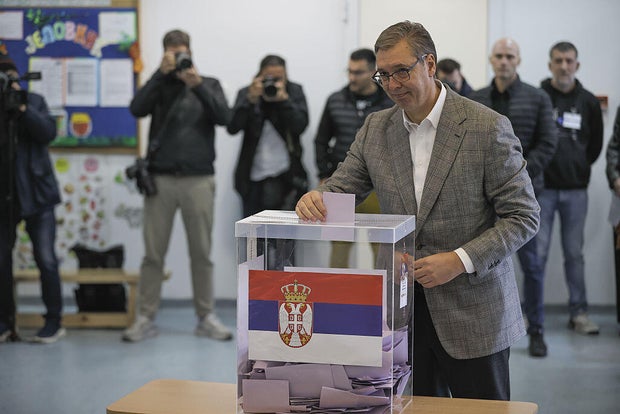
In a historic election outcome, Serbia witnessed a dramatic shift in its political landscape as the long-standing leader Aleksandar Vucic conceded defeat. Vucic, who had maintained an almost absolute grip on power for 14 years, acknowledged his loss to a diverse student-led opposition movement.
Election Overview
This highly contested parliamentary election drew high voter turnout amid growing tensions. Serbian voters were choosing lawmakers for the 250-member Parliament. The election pitted Vucic and his Serbian Progressive Party against university students who accused the government of rampant corruption and the erosion of democracy.
“The Students’ List has won,” Vucic announced, estimating that the opposition would gain between 135 and 140 seats, while his party would secure around 105 seats.
Vucic blamed independent media and alleged foreign interference for his loss.
Tensions on Election Day
Tensions ran high as voters headed to polling stations. Anti-riot police cordoned off areas in central Belgrade, and the presence of special police vehicles and groups of black-clad men signaled the charged atmosphere. Supporters of the Students’ List celebrated the victory with street demonstrations, chanting against Vucic.
Vucic, seeking to transition from president to prime minister, faced eroding support following a tragic incident in 2024, where a station collapse led to youth protests targeting government corruption.
The Rise of the Student Movement
The Students’ List movement emerged as a formidable opponent, challenging Vucic’s previously unshakable power. Unlike traditional parties, the movement’s candidates included experts, athletes, farmers, and artists, focusing on rebuilding the economy and democracy without political affiliations.
Their grassroots campaign involved travel across rural areas to engage disenchanted voters and counter pro-government narratives. The movement’s success is reminiscent of political changes in Hungary, where youth participation recently ended Viktor Orbán’s long rule.
Election Integrity Concerns
High voter turnout, potentially reaching 70%, demonstrated the enthusiasm for change. However, the election faced scrutiny due to irregularities, voter pressure, and attempted vote-buying. Both local and international monitors raised concerns about surveillance against activists and biased media coverage.
The EU closely observed the election as Serbia aspires for membership in the bloc. Recent elections in Serbia have been marred by allegations of fraud, highlighting the ongoing challenges to democratic processes in the nation.
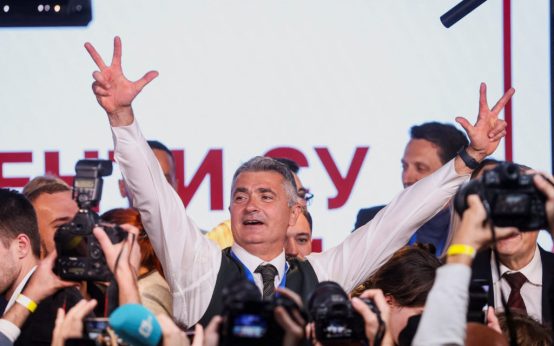 Serbia’s Political Shift as Opposition Triumphs
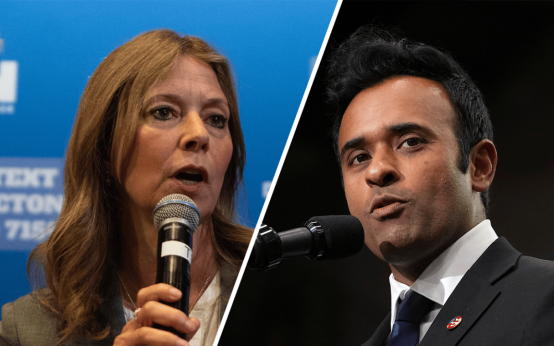 Fiery Exchanges and Personal Attacks in November’s Midterms
 Justice Department Challenges Alaska Senate Ballot Certification
 Mary Peltola Reschedules Events After Car Accident
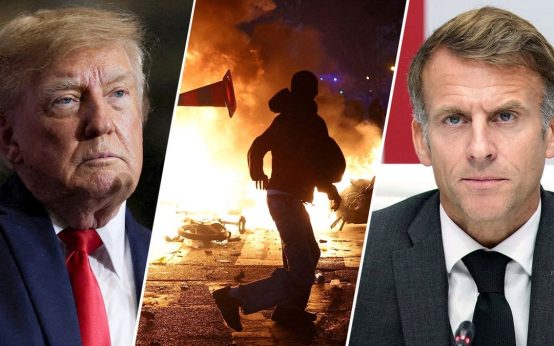 Trump Criticizes Macron’s Immigration Policies Amid European Unrest
 Controversial Figure Itamar Ben-Gvir’s Impact on Israel’s Political Landscape