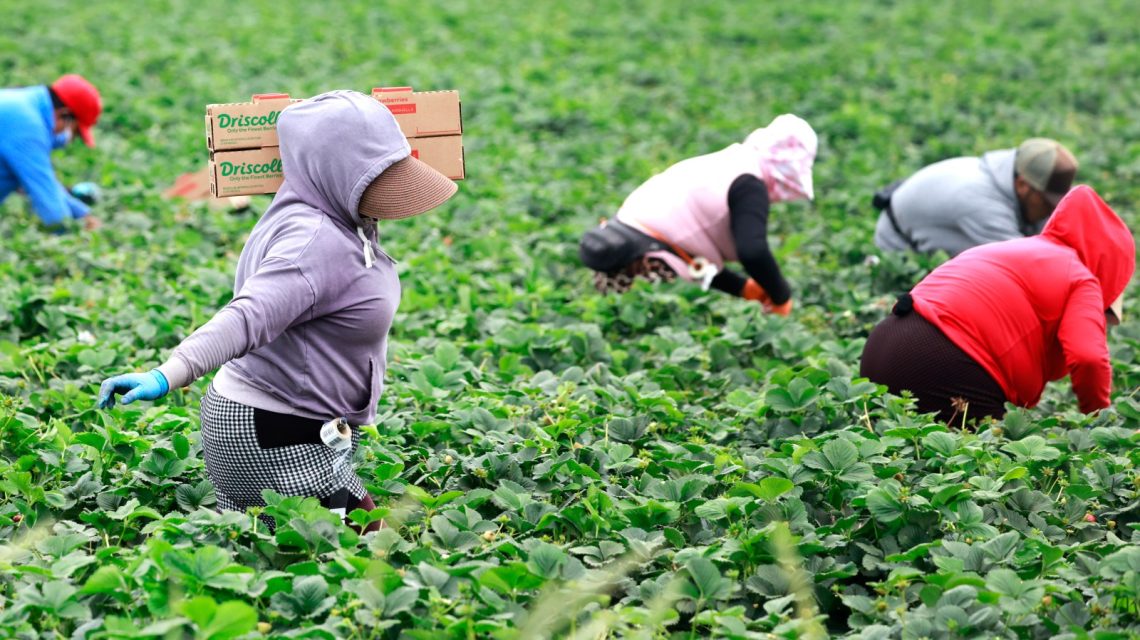
A bipartisan effort led by Senators John Curtis, a Republican from Utah, and Mark Kelly, a Democrat from Arizona, introduces legislation aimed at addressing labor shortages through a pilot visa program. The State-Sponsored Visa Pilot Program Act of 2026, unveiled on Monday, seeks to empower states to sponsor temporary foreign workers, thereby tailoring workforce solutions to local economic needs, while leaving immigration enforcement and screening to the federal government.
Objectives of the Proposed Legislation
The bill intends to create a new temporary visa category, allowing participating states to attract workers for industries facing shortages. States would identify labor demands and request visas specific to their economic circumstances. The federal government would maintain control over visa approvals, background checks, and enforcement. Participation is voluntary for states.
Senator Curtis emphasized the need for this program, citing challenges faced by small business owners, farmers, and ranchers in Utah in hiring sufficient workers. This legislation aims to support such employers by enabling states to sponsor visas without compromising federal oversight and vetting processes.
Key Features of the Pilot Visa Program
The bill proposes a system where states sponsor foreign workers and other migrants contributing to economic development. To join, states must gain approval from their legislatures. They can petition the federal government on behalf of visa applicants. Despite this state-level involvement, visa holders need to pass federal checks and meet admissibility requirements.
Visa holders would typically be required to live and work in the sponsoring state, although interstate compacts could allow mobility among participating states. Workers are permitted to change employers within a sponsoring state, following state-defined rules. The legislation authorizes visa periods of up to three years, with renewals contingent on compliance with program requirements.
States must periodically assess labor needs and wage data, establish complaint investigation mechanisms, and certify that sponsored workers do not displace U.S. workers. Participants must adhere to federal, state, and local labor and tax laws and remain ineligible for federal means-tested benefits.
Compliance and Oversight Measures
Federal supervision is a key component. If more than 3% of a state’s visa holders violate the program’s terms, the state must impose a $4,000 bond on future participants and experience a 50% reduction in visa allocation for the following year. Allocations are based on population, economic growth, and compliance performance. States with low violation rates may receive additional visas, while high noncompliance can lead to reductions.
The bill also allows sponsorship of certain immigrants already in the U.S. since December 31, 2016, with background checks, a $1,000 penalty, and eligibility criteria. Waivers might be available for specific immigration violations.
Potential Impact and Challenges
Support for the proposal comes from various business and immigration advocacy groups. Sectors like agriculture, construction, hospitality, and manufacturing report labor shortages that could benefit from the program. A similar bill introduced by Senator Ron Johnson in 2017 and revisited by Curtis in 2019 did not gain traction.
The bill faces a challenging path in Congress, divided on immigration policy since the significant reforms of 1986. The Trump administration, in its current term, has pursued restrictive immigration policies, including asylum limits and refugee program modifications.
The proposal has parallels with a 2011 Utah initiative that never took effect due to lack of federal authorization. This new legislative effort seeks federal amendments to enable states to sponsor temporary foreign workers.
Utah’s labor conditions remain difficult, as noted by the U.S. Chamber of Commerce, which reported only 96 available workers for every 100 open jobs in December.
For further information, contact Newsweek editors Ben Kelly and Shakeema Edwards.
 A Mother’s Tragic Journey Under Abortion Ban
  U.S. Strategic Goals Remain Unmet Amid Prolonged Conflict
  The Impact of Arts and Closure on Democracy
  U.S. Ambassador Comments on Iran War Duration Amid Political Concerns
  US-China Relations Under Scrutiny: Expert Warns of Escalating Tensions
  No Timeline for End of Iran Conflict