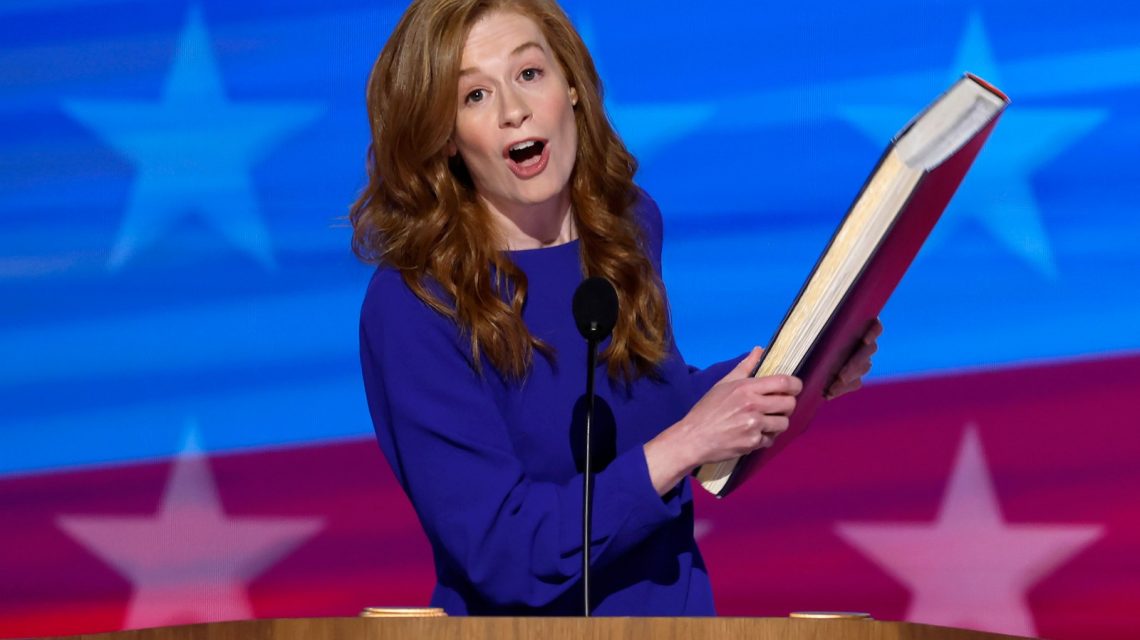
The Michigan Senate race took a surprising turn on Sunday when Democratic state Senator Mallory McMorrow announced her decision to suspend her campaign. This development comes just a month before the August primary, paving the way for a direct contest between progressive Abdul El-Sayed and establishment-backed Representative Haley Stevens.
Impact of McMorrow’s Withdrawal
McMorrow’s decision focuses attention on Michigan as a critical seat for Democrats seeking to reclaim the Senate majority. Her exit removes a major contender from the race, setting up a head-to-head between El-Sayed and Stevens. Although McMorrow stopped short of endorsing either candidate, she committed to supporting the party’s nominee in the general election.
The seat, soon to be vacated by Democratic Senator Gary Peters, is expected to be one of the most competitive in the country. The Democratic winner will likely face former Representative Mike Rogers, the anticipated Republican nominee.
Stevens vs. El-Sayed
The departure of McMorrow now leaves only Stevens and El-Sayed as the main Democratic contenders. Four-term Congresswoman Stevens has gained backing from prominent party figures like Senate Minority Leader Chuck Schumer. Meanwhile, El-Sayed, a former public health official, has earned endorsements from leading progressives such as Senator Bernie Sanders and Representative Alexandria Ocasio-Cortez.
This race highlights the growing ideological divide within the Democratic Party. Stevens’ supporters argue that a centrist candidate offers the best chance to defeat Rogers. Conversely, El-Sayed’s supporters believe progressive candidates can invigorate the electorate and secure wins in key states.
National Implications
Michigan is a pivotal battleground in the battle for Senate control in 2026. Republicans currently have a 53-47 majority, and losing the Michigan seat would complicate Democratic efforts to regain the chamber. The race is symbolic of a broader debate within the party about whether to embrace progressive policies or maintain moderate stances.
Prior progressive wins in places like New York and Colorado have prompted discussions about the party’s direction. Michigan’s outcome will be a significant test as the 2026 midterms approach.
Momentum for El-Sayed
Recent polls highlight El-Sayed’s increasing support in the Democratic primary. A recent Quantus Insights poll indicated El-Sayed leading with 41% among Democratic primary voters, compared to Stevens’ 35.6% and McMorrow’s 7.5%. Ocasio-Cortez’s endorsement of El-Sayed further boosted his campaign, arguing he provides Democrats with their best chance to win.
Progressives Under the Microscope
This primary also serves as a crucial test of Ocasio-Cortez’s influence. Her support, along with Sanders’, underscores a push from the party’s left flank for El-Sayed’s candidacy. Supporters believe El-Sayed can prove that progressives can compete in swing states, while critics question his viability in a general election against Rogers.
Influence of Outside Spending
Reports suggest outside spending heavily influenced McMorrow’s withdrawal. Support of approximately $32 million from outside groups bolstered Stevens as the mainstream candidate. Before McMorrow’s first TV advertisement, these external funds dominated the race’s financial landscape.
El-Sayed responded by warning against allowing the party establishment to dictate nominees. Stevens, on the other hand, expressed gratitude for McMorrow’s role and optimism about future collaboration.
The Path Forward
With McMorrow out, the Senate primary is now a direct contest between Stevens and El-Sayed. A televised debate is planned to intensify their competition. McMorrow’s supporters may play a crucial role as both campaigns seek every vote before the August primary.
The victor will contend in a high-stakes general election estimated to be one of the costliest and most decisive Senate races in 2026. Holding Michigan is crucial for Democrats aiming to regain Senate control.
 The War on Poverty: A Lesson on Intentions and Outcomes
  Reporters Blocked from White House by Trump Administration
  Universities Should Reject Political Influence on Research Funding
  Trump’s Approach to China: Trade Dynamics and Challenges
  Media Outlets Sue After White House Ban
  American Public Opinion on Press Freedom