
In Key West, Florida, a Haitian worker on Temporary Protected Status was cooking mussels at Half Shell Raw Bar just days before his job was suspended. The employment of hundreds of thousands of Haitians ceased when their work permits expired on July 27, 2026.
The administration decided to end Temporary Protected Status for many Haitians. This choice affects those who had been contributing to the workforce before their work authorization and deportation protections were revoked. Many Haitians are now considering moving to Canada for new opportunities. When they leave, they take with them the skills and knowledge acquired in the U.S., especially in crucial sectors like health care.
Florida is significantly impacted due to its large Haitian population. Losing these workers harms the economy as their skills are essential in filling labor gaps. The potential migration of talent to economic competitors like Canada exacerbates the problem.
While there is no argument that Temporary Protected Status should be permanent, the abrupt end highlights the necessity for a comprehensive immigration solution. This would address the needs of individuals who have built lives in the U.S. and the employers and communities dependent on them.
Ohio’s Republican Governor Mike DeWine emphasized that ending protections for Haitians would negatively impact Ohio, particularly the city of Springfield, which benefits from a strong Haitian community. Detaining and deporting these individuals would harm local economies, as many came to work jobs that were otherwise unfilled.
DeWine and other leaders have pointed out the dangers in Haiti, advocating for a compassionate approach for former TPS recipients. Many Haitians fear returning to Haiti due to safety concerns, with some openly expressing their worries about the lack of security.
The United States has an opportunity to retain these contributors rather than push them to seek safety elsewhere. Collaboration between Republicans and Democrats is crucial to develop a solution that allows longstanding contributors to stay.
A recent bipartisan bill passed by the U.S. House in April serves as a temporary measure, suggesting reinstating TPS for Haitians due to the difficult conditions in Haiti. However, a long-term solution is needed to stabilize communities, meet economic demands, and respect human dignity, prioritizing the U.S. over competitors.
Jennie Murray, president and CEO of the Forum, supports these legislative efforts.
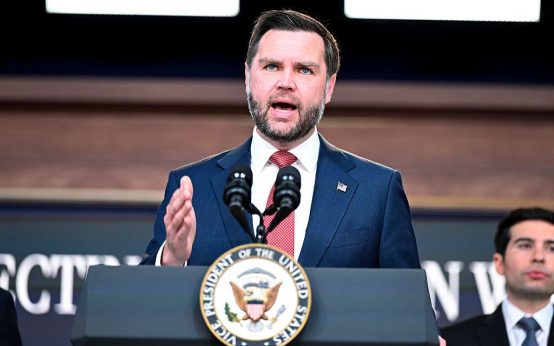 JD Vance Cites Bernie Sanders in Immigration Debate
  Senate Candidate Annie Andrews Addresses Transgender Issues in New Ad
  President’s Nobel Peace Prize Hopes Fade Amidst Concerns
  Minnesota Republicans Criticize Delayed Release of Medicaid Assessment Report
  South Korea’s Advancements in Hypersonic Weapon Development
  Reasserting Congressional Authority in the Face of Executive Overreach