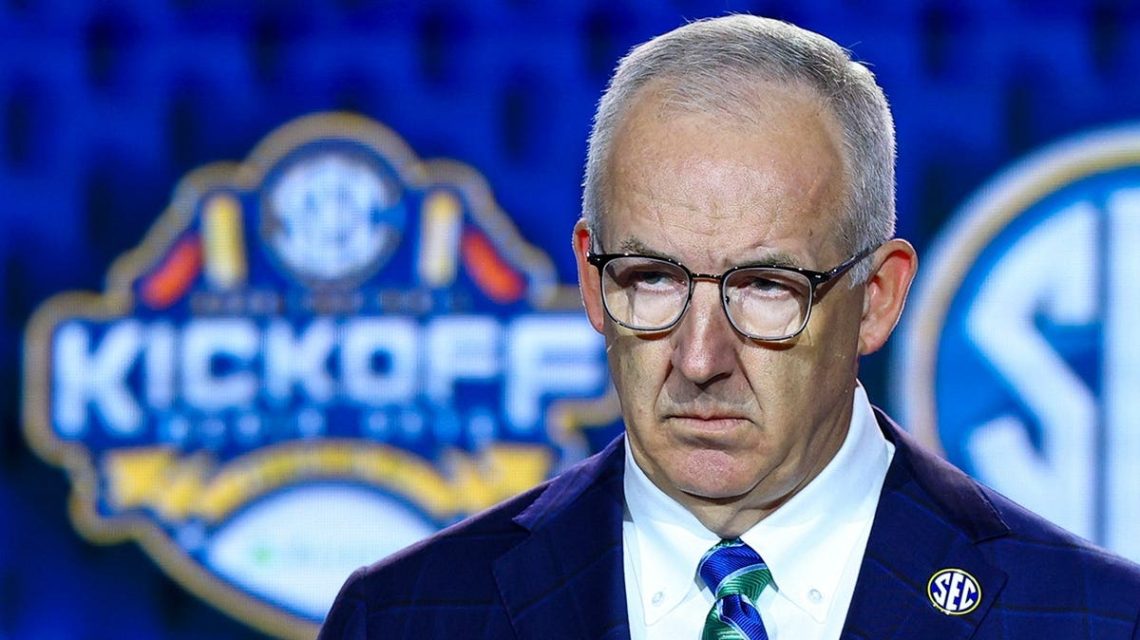
The 2026 college football season brings changes for the Southeastern Conference (SEC), moving to a nine-game conference schedule. This shift may affect win-loss records, removing an advantage over other conferences like the Big Ten. Ahead of the season, SEC coaches and commissioner Greg Sankey have started advocating for more spots in the College Football Playoff, citing their depth and strength of schedule despite recent playoff underperformance.
Over the past three seasons, the SEC hasn’t reached the National Championship game, and they’ve recorded a 2-7 playoff record against teams from other Power 4 conferences. Despite this, the SEC argues for more playoff representation due to their robust competition slate.
SEC Commissioner Greg Sankey expressed dissatisfaction with playoff discussions, calling for greater recognition of their schedule’s toughness.
The consistency of performing well matters alongside depth and schedule strength. Sankey and SEC coaches face a contradiction as they promote their league yet struggle with championship outcomes. Historically, the SEC claimed that their teams were better prepared for playoffs due to the regular-season demands. But with the shift to more in-conference games, the narrative seems to have pivoted.
Media figures like ESPN’s Laura Rutledge and Paul Finebaum have been vocal in defending the SEC’s challenges. Rutledge recently linked the SEC’s playoff struggles to its internal competition, noting that the grueling schedule might exhaust teams, affecting their playoff performance. This argument has drawn criticism as contradictory, given the SEC’s past claims of battle-hardened teams.
In comparison, other conferences show resilience through tough schedules. For example, Ohio State’s 2024 National Championship-winning season included several challenging games, yet they succeeded through the playoffs, illustrating strength and preparedness. Similarly, Indiana demonstrated toughness by defeating strong opponents to secure a title in 2025.
Indiana head coach Curt Cignetti criticized the SEC’s ‘excuse culture,’ emphasizing earning victories instead of blaming difficulties. Cignetti highlighted a mindset focused on working through challenges, contrasting with the SEC’s recent messaging.
This debate indicates a shift in the SEC’s strategy. Instead of focusing on their past dominance, the conference seems mired in lamenting the challenges of their schedule. Critics suggest focusing on winning games, as success naturally follows consistent preparation and performance.
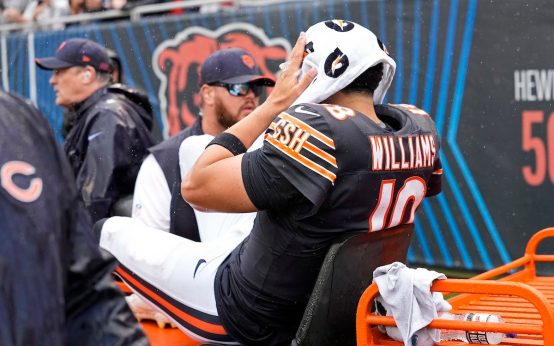 Chicago Bears Struggle After Caleb Williams’ Injury
  Jayden Daniels Suffers Elbow Injury; Marcus Mariota Set to Start
  Significant Events in Chicago History on September 21
  Patriots Rookie Gabe Jacas Shines Against Aaron Rodgers
 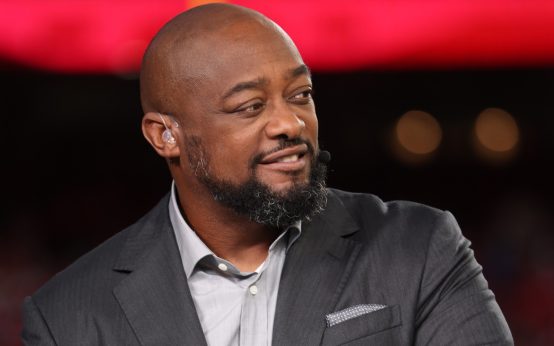 Pittsburgh Steelers Face Offensive Struggles in Post-Tomlin Era
  CeeDee Lamb Leads Dallas Cowboys to Victory Over Washington Commanders