School vouchers and private-school subsidy programs are emerging as a major issue in several governor’s races this year. Democrats are focusing on public school funding concerns to attract suburban and rural voters.
The debate is especially prominent in five states: Arizona, Florida, Iowa, Ohio, and Texas. Candidates are challenging programs that allocate public money toward private education.
“Public schools are on low monetary reserves but at the exact same time, tons of parents are trying to get tax money through vouchers to pay for private schools instead,” said Karen Aronian, education and parenting expert at Aronian Education Design.
Why It Matters
School-choice programs have expanded swiftly, with many Republican-led states implementing broad voucher and education savings account programs.
While some worry these programs divert funds from public schools, supporters argue for parental freedom in directing education funding to schools that best serve their child’s needs. This issue could heavily influence governor’s races.
States Where School Vouchers Are a Major Election Issue
Arizona
Democrats are defending the governor’s office while Republicans support an expansive voucher program. Governor Democrat Katie Hobbs faces Republican Representative Andy Biggs.
Arizona’s Empowerment Scholarship Account program, with universal eligibility, had over 99,000 students enrolled by January.
“While private school vouchers have a legitimate place in American public education, it must not detract from the quality and opportunities in public school systems,” said William Hall, a professor at Webster University.
Florida
Florida operates one of the nation’s largest universal school-choice systems, raising concerns about public-school funding.
Republican Representative Byron Donalds supports the system while Democratic opponent David Jolly advocates for public education improvements and affordability.
“Florida families access the nation’s top-ranked school choice program,” said Governor Ron DeSantis, announcing Florida’s participation in the federal Education Freedom Tax Credit.
Iowa
School vouchers are prominent in Iowa’s open governor’s race between Democratic state auditor Rob Sand and Republican Zach Lahn.
The Students First Act expanded Education Savings Accounts statewide.
“Iowa believes in empowering every student and family with world-class educational options,” said Republican Governor Kim Reynolds, discussing Iowa’s participation in the federal education tax-credit program.
Ohio
Ohio continues expanding voucher programs. Education funding remains a key campaign issue between Democrat Amy Acton and Republican Vivek Ramaswamy.
“Voters reject vouchers directly, so proponents avoid the ballot and work through legislatures,” said Caroline Welles, executive director of The First Ask.
Texas
Texas enacted the Education Freedom Act, creating a universal ESA program worth about $10,800 per student. Democrats are targeting this program in their campaigns.
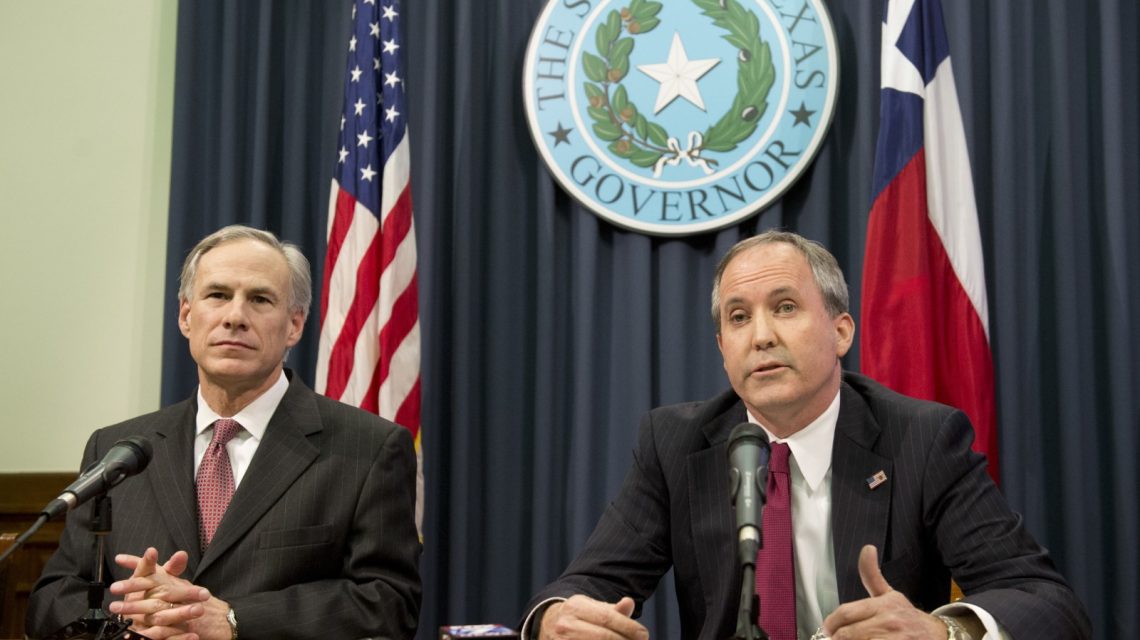
“Families are no longer limited to assigned schools,” said Republican Governor Greg Abbott, promoting parental choice through a $1 billion voucher program.
Democratic candidate Gina Hinojosa criticized the program’s funding allocation, emphasizing unmet classroom needs.
“Money spent at the Texas Education Agency is bureaucracy, not classroom funding,” Hinojosa stated.
Funding Gap Insights
Data on funding gaps between voucher and public school programs is limited. These states have significant voucher funding:
- Texas: $10,800 per student annually for private school tuition and educational costs.
- Utah: $8,000 per student for private school tuition and expenses.
- Iowa: $7,773 per student, available universally starting 2025-2026.
- Florida: Universal school choice expanded to all K-12 students.
“Vouchers take money from public education for higher income levels, reducing new enrollment benefits,” said Lisa Lightner, special education advocate.
Potential Outcomes
With governor’s races tightening, education funding will remain central through Election Day on November 3.
Democrats largely argue voucher programs divert public school resources while Republicans promote expanded parental choice. Election results may impact future oversight and expansion of voucher programs.
 The Cost of Challenging Beijing
  Analyzing Midterm Elections and Party Dynamics
  Allan Lichtman’s Framework for Assessing Presidential Greatness
  Florida Senate Race Tightens as Recent Polls Show Dead Heat
  Ethics Complaint Targets Colorado Representative Lauren Boebert
  Ken Paxton’s Campaign Funding and Polls