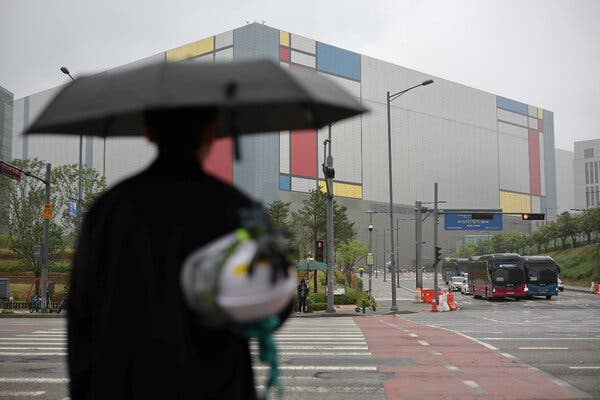
Samsung Electronics, a leading supplier in the global memory chip industry, has reaped significant benefits from the artificial intelligence (AI) boom. This success has sparked discussions on how the profits should be distributed.
Outside the Samsung Electronics semiconductor plant in Pyeongtaek, South Korea, the atmosphere highlighted a critical issue. For months, employees in the semiconductor division felt overlooked amid the expanding AI industry.
The AI build-out has significantly increased demand for computer memory chips. Samsung, along with SK Hynix, dominates this sector. In 2025, SK Hynix responded to the surge by offering new perks, including allocating 10 percent of operating profit for worker bonuses and removing caps on those bonuses.
“We felt it was time for similar recognition,” a union representative stated.
In light of this, Samsung’s largest labor union requested 15 percent of the company’s operating profit as performance bonuses for the semiconductor division, along with removing individual bonus caps during recent negotiations.
The discussions nearly resulted in a strike. However, intervention by government mediators helped reach a provisional agreement, averting the strike. This agreement mandates Samsung to allocate 10.5 percent of profits for bonuses and eliminates the bonus cap. During the first quarter of the year, the company’s profits soared to $39 billion.
The union plans to vote on finalizing the deal by next Wednesday. Despite defusing the immediate tension, the incident underscores a looming question in the wake of South Korea’s AI-related prosperity: How should profits be equitably shared?
 AI-Powered Malware Raises Concerns Over Security
  Debate Continues Over Virginia’s Data Center Energy Plans
  Trump Suggests Renaming AI to ‘Super Intelligence’
  The Rise of Data Centers and AI Development
  How China Uses AI to Challenge U.S. Dominance
  Controversy Surrounding Automated License Plate Readers (ALPRs)