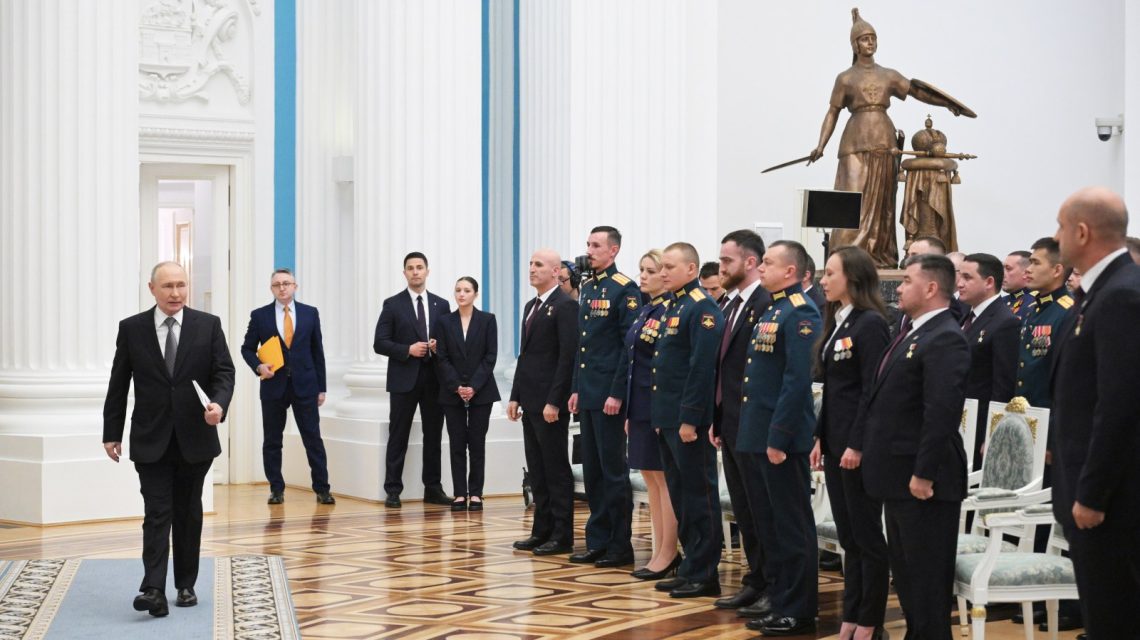
Russian citizens are voting today in a parliamentary election, the first since President Vladimir Putin’s military intervention in Ukraine. This ‘special military operation’ has significantly influenced Russian society, reshaping industries, the economy, and legislative priorities to support the war effort regardless of public opinion.
More than 180 candidates in this election are veterans of the Ukraine conflict, reflecting Putin’s vision to construct a political elite that includes war veterans. He has established programs to promote veterans into senior political and corporate positions. This move not only legitimizes the war effort but also aims to integrate the military into influential roles in society.
The Political Landscape
Despite the facade of a competitive election, Putin’s United Russia party is expected to win comfortably. The opposition party Yabloko, which opposes the war, has been removed from the ballot. United Russia needs 300 out of 450 seats to maintain a constitutional majority, which they are likely to achieve.
While a recent Levada Center poll showed that public support for the war remains high, other polls reveal underlying economic concerns. A majority believe the war harms Russia’s economy. This creates tension, as many Russians call for reallocating military spending to healthcare and education. Putin aims to form a ‘party of victory’ that will support continued military actions and domestic control.
Building a Warrior Class
The Kremlin’s ‘Time of Heroes’ program seeks to integrate war veterans into significant societal roles. This initiative highlights the Kremlin’s strategy to institutionalize military influence across various sectors. Ella Pamfilova noted that over 1,500 SVO participants are standing as candidates in the current election cycle.
Russian society holds veterans in high regard, and these candidates, including prominent figures like Vladislav Golovin, carry substantial socio-political weight.
Challenges Ahead
Putin’s strategy grants veterans political and social benefits, but the Kremlin is wary of their potential influence. Historical examples, such as Yevgeny Prigozhin’s uprising, illustrate the risk involved. Some candidates are already expressing dissatisfaction with current economic and political inequalities.
Despite assurances of control, the Kremlin is aware of the management risks posed by a large veteran population in parliament. Discussions around creating a dedicated veterans committee were halted due to fears of political division.
Ultimately, the Kremlin controls policy, with the Duma acting in obedience. For now, veterans may be showcased for propaganda, but real power remains centralized. Policy decisions impacting the public have been deferred until after the vote.
The success of Putin’s strategy depends on how returning soldiers perceive the value of their sacrifices in a country still requiring their commitment.
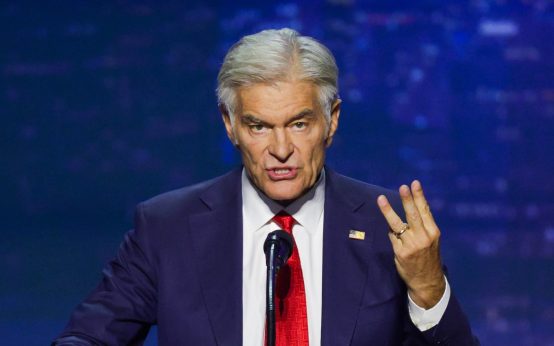 Democratic Lawmakers Attempt to Extend Medicare Prescription Drug Subsidy
  Gas Prices and Political Impact: A Closer Look
 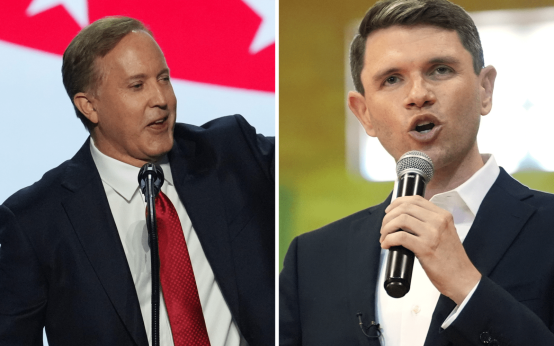 Divisions Emerge in Texas GOP Amid Competitive Races
 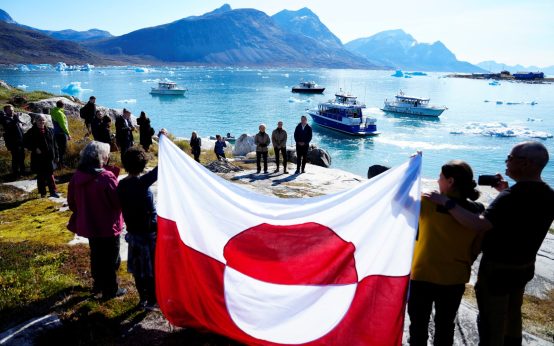 Greenland’s Deal and Sovereignty Concerns
  Kansas Senate Race: Competitive Dynamics and Key Figures
  Republicans Face Challenges Leading Up to Midterm Elections