Political Shift in Venezuela
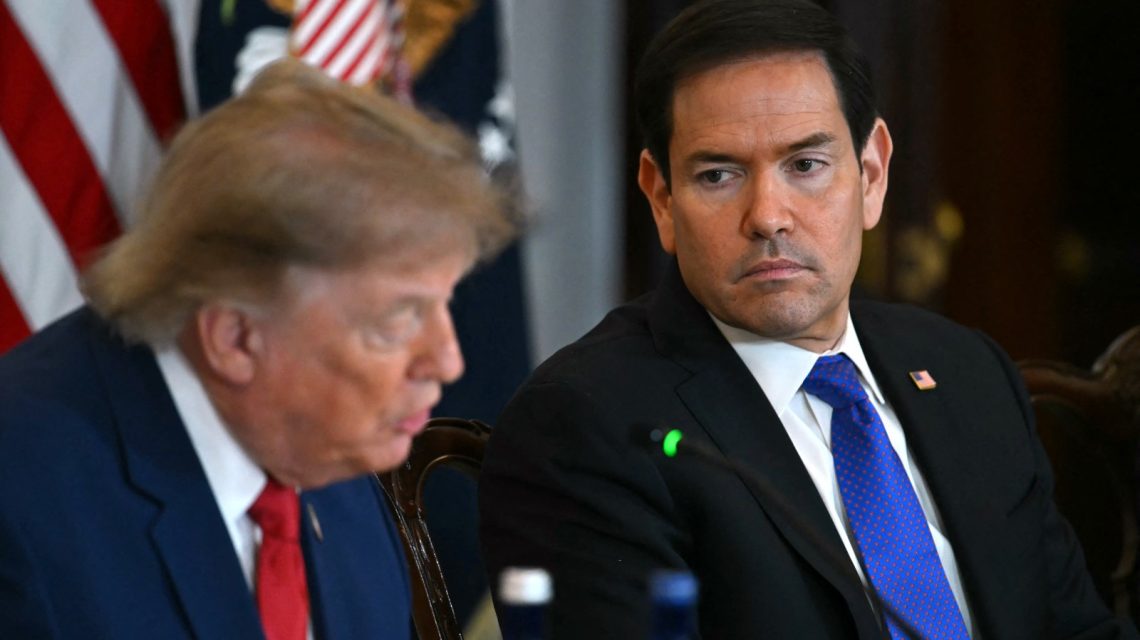
Secretary of State Marco Rubio has built his political career on opposing Chavismo in Venezuela. Yet, the U.S. has now made an oil deal with Venezuela’s interim President Delcy Rodríguez, once closely tied to Nicolás Maduro. This development raises questions for Rubio, especially among Venezuelan and Cuban voters. President Trump announced this oil deal as historic, involving a joint venture to access 17 Venezuelan oil fields with an estimated 65 billion barrels.
Details of the Agreement
The agreement’s terms grant the U.S. a 55% stake through ownership and purchase rights at production cost. Rodríguez stated the deal spans 25 years, though U.S. officials suggest a 100-year concession. The arrangement has sparked criticism, with Venezuelans uneasy about ties to Chavismo.
Criticism Emerges
Despite stating the deal benefits both nations, Rubio faces backlash. Eduardo Gamarra, a political scientist, notes diminishing approval for Trump and Rodríguez inside Venezuela. Venezuelans still favor removing Maduro but distrust the new arrangement and what it represents.
Ricardo Hausmann, a Venezuelan economist, strongly criticized Rubio for collaborating with Rodríguez, accusing him of legitimizing an oppressive regime and undermining democracy efforts.
Controversial Figures
Concerns also focus on Alejandro Betancourt, involved in facilitating the deal. Despite allegations of financial misconduct, he operates North American Blue Energy Partners, managing the oil fields involved. Critics see the association with Betancourt as troubling.
Political Repercussions
Polls show Americans generally oppose U.S. control over Venezuelan oil. A Quinnipiac University poll highlights this sentiment, with a majority disapproving of military intervention in Venezuela.
The State Department clarifies the deal involves a private venture, not a political alliance, as reconciliation talks continue separately.
Rubio’s Political Risks
This oil agreement poses risks to Rubio’s future political ambitions, as seen in past conflicts over his positions. His reversal on Temporary Protected Status (TPS) for Venezuelans previously drew criticism. Although Rubio attempts to mitigate backlash, many question his continued alignment.
Representative María Elvira Salazar, facing similar voter pressures, initially opposed the oil deal, but altered her stance to support it later. Discontent among Venezuelan and Cuban American communities challenges her political standing.
Future Implications
Analysts suggest that while Rubio’s support remains relatively stable, his connection with voters could be tested. Polls show tight competition ahead of the 2028 Republican primary, with Rubio among top contenders. How Rubio navigates these challenges will impact his political trajectory.
 A Mother’s Tragic Journey Under Abortion Ban
  U.S. Strategic Goals Remain Unmet Amid Prolonged Conflict
  The Impact of Arts and Closure on Democracy
 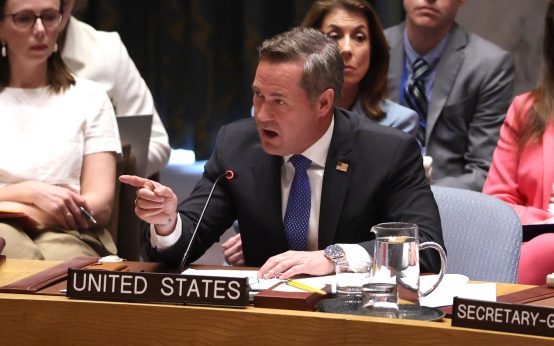 U.S. Ambassador Comments on Iran War Duration Amid Political Concerns
 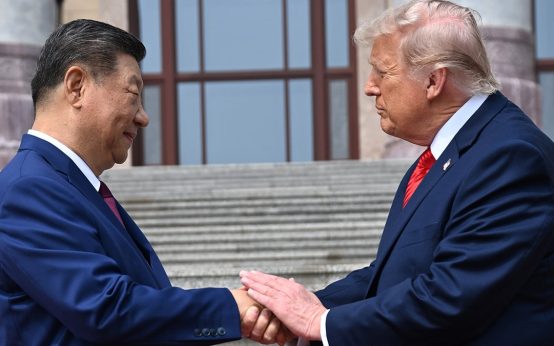 US-China Relations Under Scrutiny: Expert Warns of Escalating Tensions
  No Timeline for End of Iran Conflict