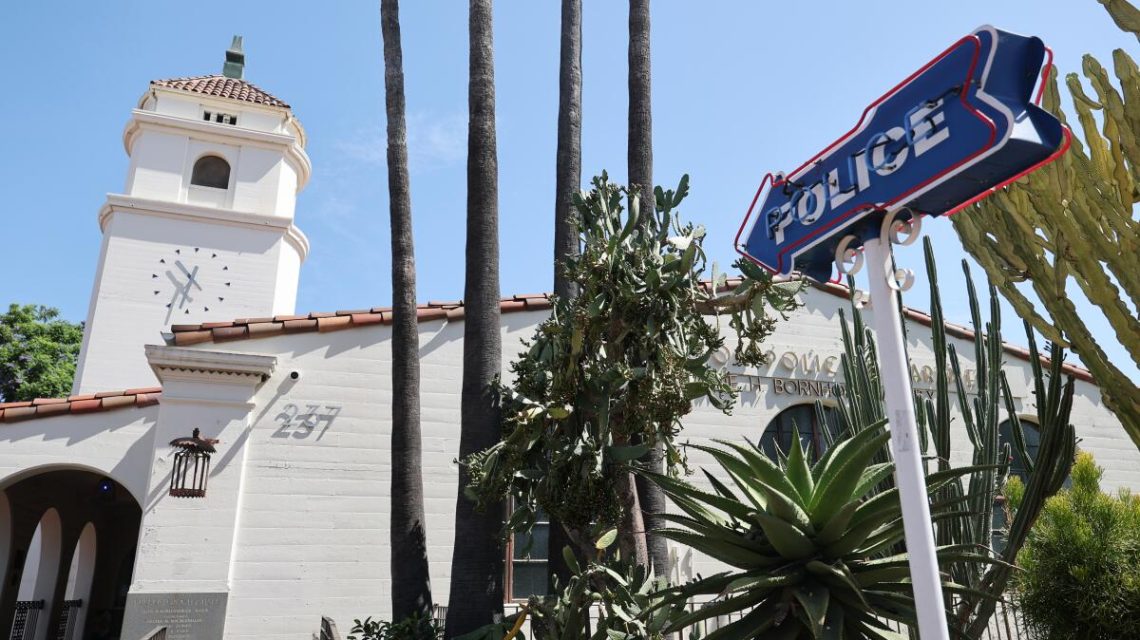
Pam Yeager thought she had found the perfect rental in a bungalow near downtown Fullerton. Priced below average, close to her son, and available just as her lease ended, it seemed ideal. Sadly, it turned out to be a scam, costing her thousands.
Yeager, 53, expressed frustration, saying, “There has to be some sort of accountability.” Real estate scams are growing, particularly in California, where high rents and a tight market fuel such fraudulent activities. These scams often involve fake online listings, where scammers use AI to make content look genuine. They sometimes repost existing listings, collecting money until victims realize the deception.
With more people searching for rentals on social media, the platforms’ limited oversight helps scammers thrive. Fake listings often promise unbeatable deals, preying on desperate searchers. “In this housing market, people feel pressured to act quickly,” said Sgt. Lizbeth Gwisdalla from the Orange County Sheriff’s Department. “If it sounds too good to be true, it probably is.”
Chris Duff, president of Greater Los Angeles Realtors Association, noted the increase in such crimes. “It’s getting worse every year,” he said. The Placentia Police Department recently warned about a spike in social media rental scams, advising caution, especially before sending money without a property visit.
Once scams occur, accountability is difficult. Many scammers use untraceable social media accounts or work from abroad. “They’re good at what they do,” said Sgt. Frank Garza from Placentia Police Department about such scammers.
A Zillow post advertised the Fullerton home briefly, attracting Yeager and others. One interested renter contacted Laura Spencer, a real estate agent familiar with the property, who confirmed the listing was fraudulent. Spencer informed one renter, but not Yeager, who was unaware of the deception.
Zillow works to ensure safe, accurate listings and removes fraudulent ones quickly. However, Yeager initially thought someone else rented the property when the listing vanished. Later, she received a text asking if she was still interested. She responded positively, arranging to set up a tour.
The supposed landlord sent a video tour and asked for a $75 application fee. Despite some concerns, Yeager proceeded, reassured by the scammer at each stage. Eventually, the scammer requested a $2,500 security deposit via Zelle to secure the house, which Yeager hesitated over but complied with following assurances. After sending the deposit, Yeager was asked for more money for the first month’s rent and a lease signing. Realizing the fraud, she requested a refund, only to find herself ignored. She now struggles with extra work hours to recover her lost $2,575.
Yeager shared her experience to prevent others from becoming victims. Raising awareness is crucial, as recovering money from scams is rare. Real estate professionals advise meeting agents and verifying listings before sending payments. Law enforcement works to track scammers but finds the process challenging.
In recent reports, fake rental schemes continue appearing across California. The FBI recorded over 12,000 real estate fraud complaints last year, influenced by AI-facilitated crimes. Incidents include scammers using someone’s home to dupe renters or setting up fake tours for money.
When The Times visited the Fullerton house Yeager aimed to rent, the owner confirmed she never planned to rent it and was unaware of the scam. “A lot of scams going on,” she commented, saddened by Yeager’s loss.
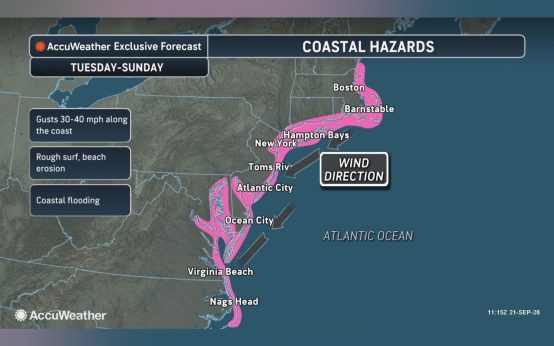 Nor’easter Threatens East Coast with Heavy Rain and Winds
  California’s Growing EV Adoption: Challenges and Benefits
  Influencer Brothers Logan and Jake Paul Visit the Pentagon
 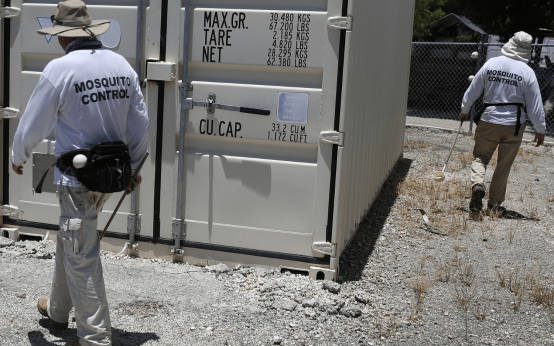 Florida Reports First Dengue Fever Death as Outbreak Expands
  American Public Opinion on Press Freedom
  St. Laurence High School’s Transformative Journey