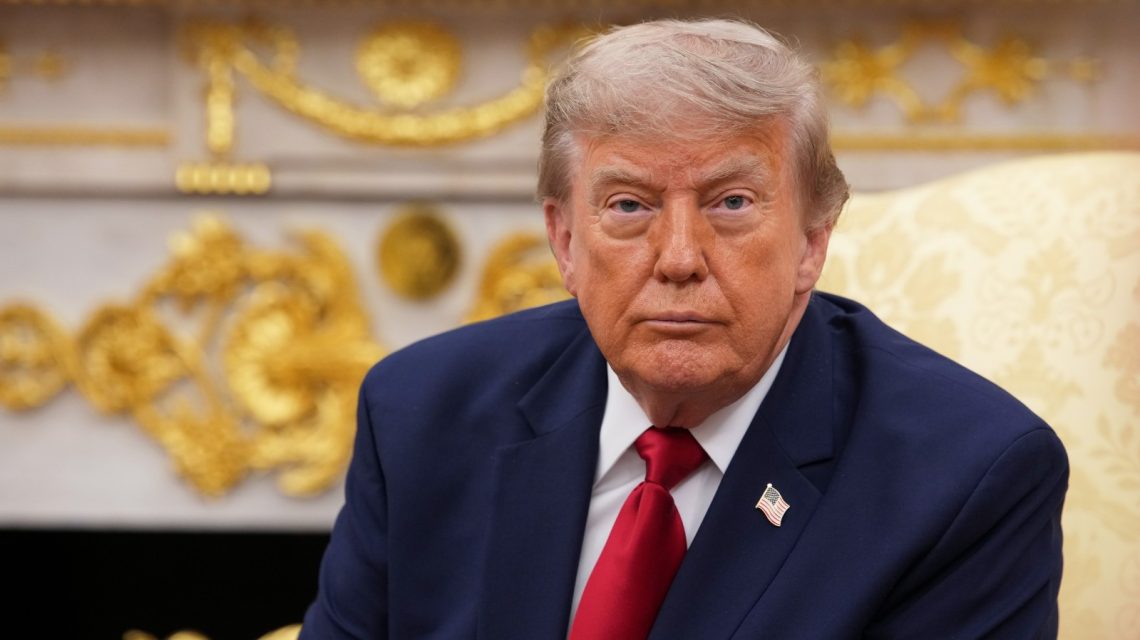
Republicans experienced a brief relief in affordability concerns this month, but President Donald Trump quickly overturned it. Gas prices surged above $4 a gallon as tensions with Iran escalated. New tariffs impacted numerous countries, all within a single week. Polls indicate a growing number of Republican voters blame Trump for high prices just months before the midterms.
According to AAA, the national average for gas climbed past $4 per gallon on Monday, marking a 3% increase over the week. Conflict between the U.S. and Iran intensified, pushing oil toward $100 a barrel and erasing relief seen after a June ceasefire.
Shortly after Trump’s temporary 10% global tariff expired at midnight Friday, the administration introduced new tariffs ranging from 10% to 12.5% on 60 trading partners. These nations account for over 99% of U.S. imports.
The White House Responds
The White House dismissed any suggestion of a liability. Spokesperson Taylor Rogers stated that as the U.S. military reduces the Iranian regime’s threat to commercial vessels and the energy supply chain, oil and gas prices will fall back to pre-conflict levels.
Trump has downplayed the connection to midterms. When asked if elections influence his war strategy, he remarked, “I can’t think about that having to do with this. I think people are very impressed.”
Some Republican supporters of the war are expressing doubts. Senator Shelley Moore Capito of West Virginia noted American weariness. Fellow West Virginia Senator Jim Justice bluntly stated, “There’s got to be an off-ramp.” Senator Rand Paul of Kentucky told CNN he believes the war has been unsuccessful, leaving the country worse off.
A Republican senator, speaking anonymously, said gas prices are a major concern for November. Many colleagues share this worry, though not publicly. Representative Brian Fitzpatrick of Pennsylvania criticized rising costs and urged the GOP to focus on affordability.
Republican Concerns in Congress
The war has lost Trump some Republican votes in Congress. Four House Republicans supported a nonbinding resolution urging an end to the war. Even House Speaker Mike Johnson wants the campaign concluded, stating, “We got to wrap it up.”
Polling and Public Perception
A Washington Post-ABC News-Ipsos poll in July revealed 65% of adults disapprove of Trump’s economic management. Grocery affordability concerned 66%. A separate Pew survey indicated 28% of Republican voters believe his policies have worsened conditions, up from 18% in January.
Republican strategist Alex Patton doubts the party’s ability to counteract these challenges. “Affordability is affordability, and voters often face reminders of rising costs,” he said, highlighting the need to shift focus to Democrats instead of defending the GOP’s record.
Impact of Tariffs
While Republican voters generally support tariffs, consensus is fragile. A February Pew survey reported 71% GOP support for tariff increases, but this drops to 43% among non-MAGA Republicans, according to ABC News/Washington Post/Ipsos polling. There’s a concern that tariffs may worsen inflation.
A Politico poll analysis indicated that many Americans believe gas prices have risen more than they have, with misconceptions wider among Kamala Harris supporters than Trump supporters in the 2024 election.
About 46% of Americans said gas price changes would influence their November vote. Non-MAGA Republicans are more inclined than MAGA voters to feel this impact.
Pressure on Republican Candidates
The pressure intensifies in battleground districts. Out of 13 competitive House districts where gas prices rose faster than average, nine have Republican incumbents.
In California’s 22nd District, prices have increased by $1.17 per gallon since Trump assumed office, the third-highest rise in competitive districts. Republican Representative David Valadao faces a challenge from Democrat Randy Villegas.
In Colorado’s 8th District, prices have climbed by 73 cents. Representative Gabe Evans attributed high prices to state policy, calling them “a direct result of local economic policies” by Colorado Democrats. However, 63% of Americans polled believe the Iran war is the primary cause of rising gas prices.
Each breakdown and renewal of the Iran-U.S. ceasefire has impacted Trump’s ratings. Data from Nate Silver’s Silver Bulletin shows these shifts have aligned with ceasefire changes since February.
GOP strategist Mike Madrid sees genuine fractures in a traditionally solid base due to the Iran war. He noted measurable cracks among MAGA supporters, an unprecedented development.
Democratic Advantage
Democratic strategist Jesse Ferguson perceives a party advantage, citing the economic strain felt by three-quarters of the country.
Polling and Electoral Dynamics
Emerson College Polling’s survey places Democrats ahead by 11 points in a generic ballot, showing Trump’s approval at 39%. Other polls show narrower Democratic leads.
Decision Desk HQ’s model narrowly favors Democrats to flip the House, while Republicans are expected to maintain a Senate tie with VP tiebreaker JD Vance.
Patton argues Democrats face structural challenges despite favorable polling. “It’s a Democratic wave crashing against a structural wall,” he said, citing redistricting, gerrymandering, and internal Democratic discord as barriers to a decisive GOP defeat.
With rising gas prices and new tariffs, Republicans have around 100 days to shift the narrative before the election.
 A Mother’s Tragic Journey Under Abortion Ban
  U.S. Strategic Goals Remain Unmet Amid Prolonged Conflict
  The Impact of Arts and Closure on Democracy
 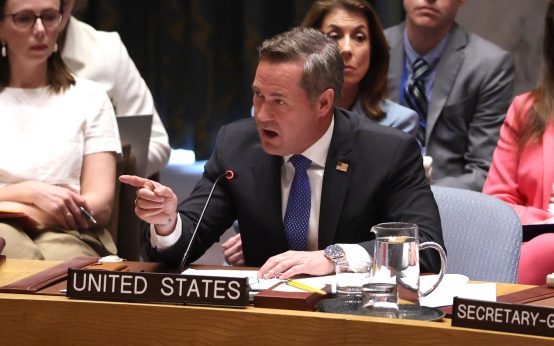 U.S. Ambassador Comments on Iran War Duration Amid Political Concerns
 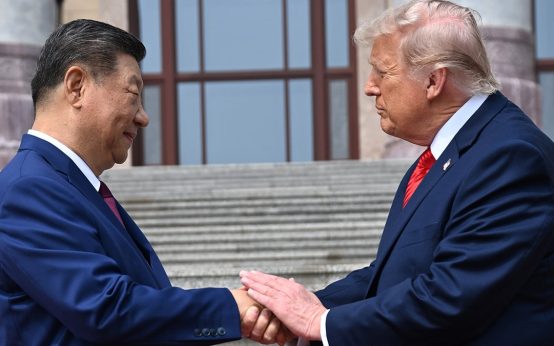 US-China Relations Under Scrutiny: Expert Warns of Escalating Tensions
  No Timeline for End of Iran Conflict