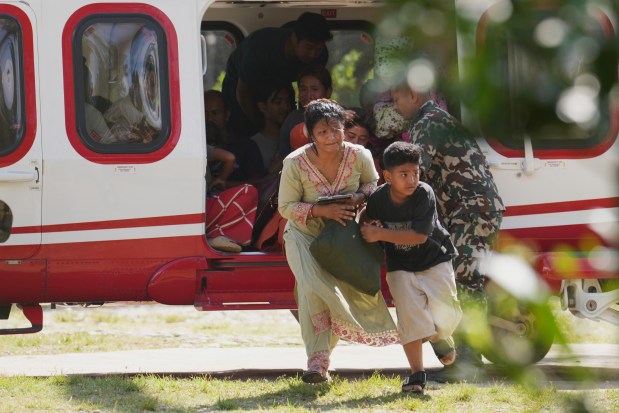
As news of the severe flooding in Nepal and Tibet reached global audiences, Nepali leaders in Chicago moved swiftly. They convened an emergency virtual meeting on Wednesday evening. The discussion, held over Facebook Messenger, centered on coordinating effective fundraising for relief efforts.
Chicago and its suburbs are home to thousands of Nepali immigrants. They’ve established nonprofits, restaurants, and businesses, reinforcing their collective presence. The community celebrated its first Nepali street festival on August 15 in Edgewater, showcasing Nepal’s art, music, and culinary traditions. This strength is now fueling their organized response.
Among the attendees of this online meeting was Shriniwas Kabra, vice president of the Nepali American Center. Kabra noted that while participants represented diverse organizations with varied objectives, they reached a consensus. Their plan involves sending collected funds to government disaster accounts in Nepal, engaging in both traditional and online fundraising. Material goods collection will follow in due course.
“Everyone agreed that we need to work together, and we need to help in whatever way we can,” Kabra emphasized.
The urgency of such efforts is evident. Recent floods in Nepal and China have claimed nearly 600 lives and left around 2,500 people missing, according to official reports and rescue organizations. Rescuers are extracting survivors covered in mud from areas near the Nepal-China border, with helicopters aiding stranded individuals.
In one instance, a rescue team rappelled into a devastated checkpoint area on the Chinese side of the border. Teams remain vigilant against additional flooding threats from a newly formed Himalayan lake after a glacier collapse. The region has seen viral footage showing floodwaters overwhelming buildings and people.
The Nepali and Tibetan communities in Chicago mobilized rapidly. Kabra, age 42, described waking up to videos from Nepal sent by friends. Initially mistaking the footage for fiction or digital simulations, he soon realized its authenticity. Families from Nepal informed him of widespread devastation beyond the border. Traffic disruptions and full engagement of police and military forces are exerting economic pressure.
Kabra, who owns a flower shop called Emotional Bonding in Niles, plans to donate all Sept. 6 sales to Nepal flood relief. His partner business, The Clove Indian and Nepali Cuisine in Glenview, is offering a promotion where meal purchases contribute directly to aid.
Many organizations participating in Wednesday’s meeting initiated a GoFundMe, raising approximately $600 by Friday evening. Rajan Shahi, of Nepalese Aid in Chicago, encourages online donations to the Nepal Prime Minister’s Disaster Relief Fund.
In addition, the Tibetan Alliance of Chicago organized a vigil for flood victims Thursday night in Evanston. Participants assembled in front of an altar, engaging in prayer and reciting Buddhist mantras, led by Norbu Samphell. He highlighted the importance of minimizing suffering through prayer, underscoring the community’s emotional connection.
Earlier in August, Nepalese nonprofits engaged in cultural exchanges at the street festival, fostering understanding among Chicagoans. Shahi hopes this event will become annual, pointing to the resilience of Nepalese people.
“Nepalese people are resilient,” Shahi affirmed. “We will stand together, support one another and we will rise again.”
The Associated Press contributed to this report.
 Patrick Clancy Shares Insights into Tragic Family Loss
  Midair Altercation on Bangladesh to London Flight
  Revival of Organized Labor in 2026
 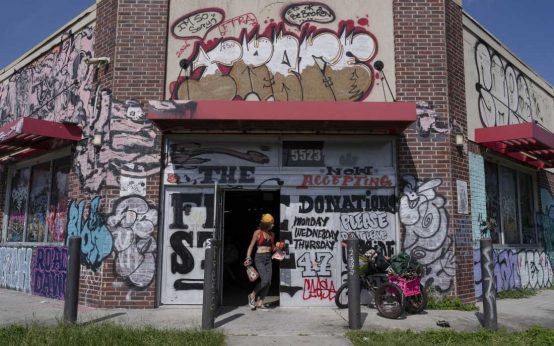 Community Relief Efforts at New Orleans Free Store
 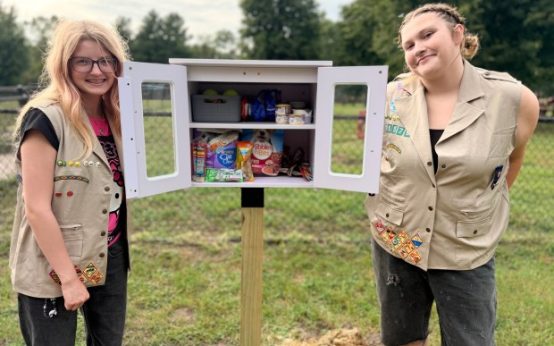 Girl Scout Troop 35579 Project: Pet Pantry for Woodland Park
  Children’s YouTube Star Ms. Rachel Draws Scrutiny Over Links to Palestinian Photojournalist