
Near the conclusion of David Robert Mitchell’s film “The End of Oak Street,” a cul-de-sac appears, centering around a telephone pole with wires extending like big top tent cables. This is a fitting addition to a fast-paced, carnival-like movie crafted with nostalgic showmanship. Summer films often embrace tumultuous chaos, and “The End of Oak Street,” set in the 1980s, offers a delightful pastiche. It absorbs the spirit of an Amblin-style blockbuster, creating a delightful summertime thrill ride seemingly made for drive-in theaters.
Mitchell gained recognition with his 2014 horror success, “It Follows,” followed by the ambitious yet somewhat indulgent neo-noir “Under the Silver Lake.” In contrast, “The End of Oak Street,” a tale about a suburban family inexplicably transported through time, prioritizes audience enjoyment. This film is an energetic experience best approached without spoilers, so proceed cautiously with any summaries.
The storyline may seem familiar, starting with the main family. The Platts reside in a neighborhood reminiscent of San Fernando Valley, featuring split-level homes and well-kept streets. Denise, played by Anne Hathaway, and Greg, portrayed by Ewan McGregor, have two children and a dog named Starbuck. Teenager Audrey, played by Maisy Stella, and her younger brother Brian, played by Christian Convery, navigate their own secrets. At a neighborhood fair, fractures in their idyllic American life surface. Greg, delivering pizzas on the side, and Denise, secretly writing a potentially autobiographical novel, appear on the brink of separation, sensed both by their children and themselves.
Such a framework for sci-fi cataclysm is, naturally, Spielberg 101.
Yet, Mitchell, who also penned the script, infuses the storyline with horror, absurdity, and outright silliness; yes, there are dinosaurs. Mitchell skillfully introduces these creatures, starting with mysterious flashes of light and exotic flowers, escalating to the Platts’ realization that their neighborhood has become an isolated suburban island in a prehistoric world. This “Twilight Zone” scenario inadvertently addresses challenges faced by the “Jurassic Park” series in incorporating new settings.
The chaos unfolds across familiar suburban settings, with encounters occurring on front porches and shag carpets. This may appear as mere mindless entertainment, but it sincerely engages audiences with its set pieces, prompting groans and cheers alike. The characters’ authenticity, particularly through Hathaway’s performance, grounds the absurdity, combining family drama with CGI action and wild plot twists.
Composer Michael Giacchino contributes with music reminiscent of John Williams, although Mitchell eventually veers from traditional Spielberg territory. Unique creative moments arise, like Audrey sneaking away to listen to Steve Winwood’s “Valerie.” Though not particularly profound, the film highlights that parental fears often underestimate their family’s resilience. The swift invasion of dinosaurs could symbolize an ecological disaster, revealing that each family member is more capable than anticipated.
Ultimately, “The End of Oak Street” presents a modern, darker spin on family adventures, offering a thoroughly entertaining experience. Mitchell establishes suburbia as his evident domain, where unexpected elements inevitably emerge. Released by Warner Bros., “The End of Oak Street” is rated PG-13, containing violence, strong language, and suggestive content. With a runtime of 99 minutes, it earns three out of four stars.
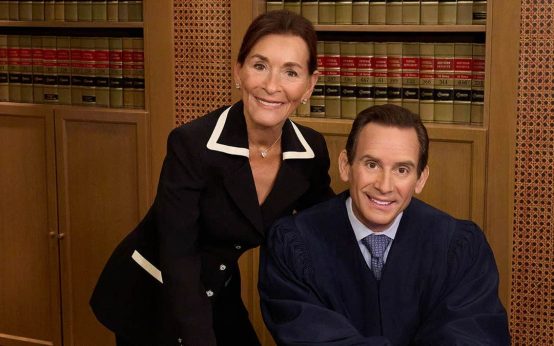 Judge Adam Levy Shares Insights on His New Show
  Olivia Rodrigo’s Tour Opener Features Astonishing Costume Change
  Tribute to AEW Star Pac: Remembering Benjamin Satterley
 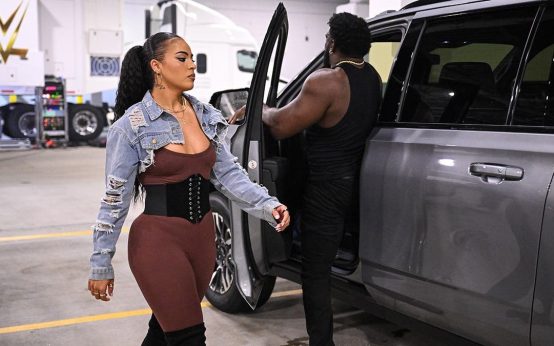 Chaos Erupts on WWE ‘Monday Night Raw’ with Faction Feuds
 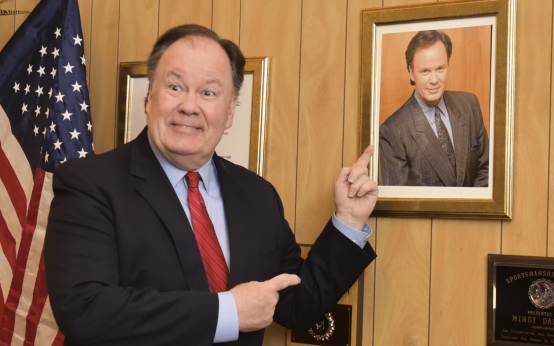 Actor Dennis Haskins Dies at 75
 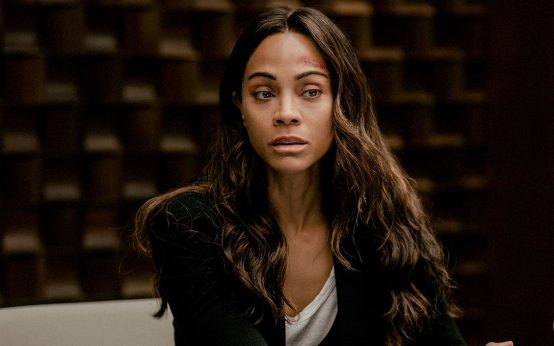 Zoe Saldaña Sets Boundaries in Taylor Sheridan’s TV World