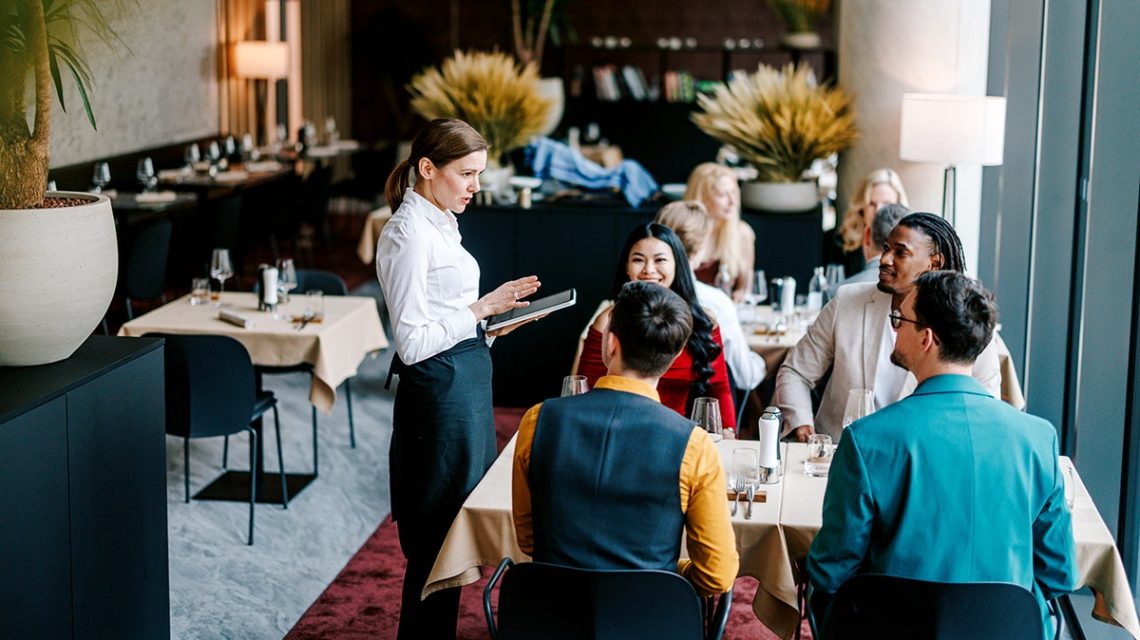
Substitutions in restaurants have become a frequent occurrence. However, many chefs and restaurant owners express concerns that these requests can disrupt kitchen operations and alter the intended dining experience. The discourse raises important questions about the limits of restaurant etiquette. Experts caution that excessive modifications can shift from reasonable to entitled behavior.
At Lom Wong, a Thai restaurant in Phoenix, Arizona, the decision to oppose substitutions came after the rise in modification requests due to recognition in the 2026 Michelin Guide Southwest.
Expert Opinions on Substitution Requests
Industry veteran Robert Mahon and etiquette expert Diane Gottsman shared insights with Fox News Digital. They noted that while some substitutions might be reasonable, too many can strain staff and affect the dining experience.
“Excessive requests to modify orders can create challenges for staff and impact your overall dining experience,” experts stated.
An Instagram post by Lom Wong informed diners of their approach to serving “village Thai food” without traditional European coursing methods. “We take your whole order at once. Your dishes come out when ready,” the post explained.
The restaurant emphasized that they stick to their recipes, which aren’t arbitrarily changed since these culinary creations hold significance, being shared by families or communities Lom Wong collaborates with.
Responses online largely supported Lom Wong’s stance. An Instagram user commented, “The customer is NOT always right. When you come into someone else’s house, you show respect and manners.”
Impact on Dining Experience
Not all agreed with the restaurant’s approach. One commenter argued, “No one wants dessert before their meal, or a starter after their entrée. It’s also unreasonable not to order more food if you’re still hungry.”
Mahon highlighted that excessive substitutions can disrupt the harmonious flavor profiles chefs intend. “Chefs create menu dishes with amazing flavors meant to be experienced at once,” he said.
Accommodating every substitution request is not feasible while maintaining service at full capacity, Mahon noted, although allergies and dietary restrictions are prioritized to the best of the restaurant’s ability.
Excessive modifications may lead to longer wait times, especially if multiple changes occur at one table.
Etiquette in Dining
Requests for minor changes, such as removing tomatoes from a dish, are usually manageable. However, drastic order modifications can appear entitled, Gottsman explained.
If diners find a dish unappealing, they should refrain from expressing negative opinions as it’s considered impolite. If an item is on the menu, it signifies its importance to the establishment.
Gottsman advised diners with allergies or dietary restrictions to request changes politely and respectfully, avoiding unnecessary pressure on the staff.
 Navigating the Breakup Process: Key Steps for a Healthy Transition
 Discussing Finances with Aging Parents: Cameron Huddleston’s Guidance
 McRib Makes a Temporary Comeback to McDonald’s Menus
 Halloween Deals at Restaurants: 2026 Highlights
 Best Pink Nail Polishes for Every Occasion
 Southwest Airlines Expands Nonstop International Routes