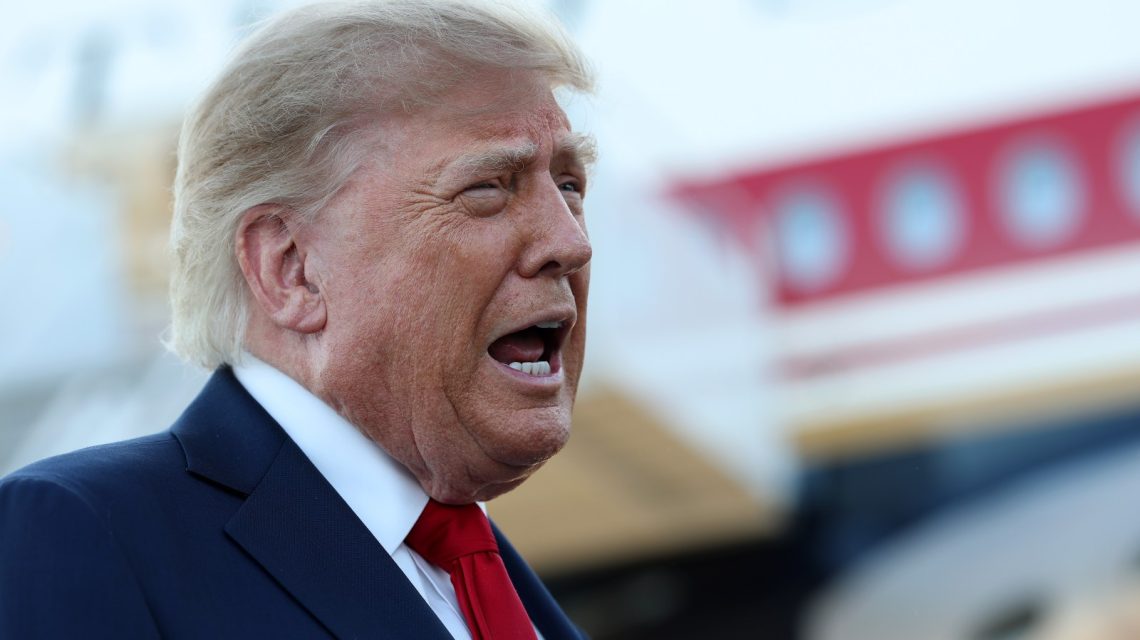
With 45 days left until the November 3 midterms, Republicans are encountering several challenges that raise doubts about their ability to maintain control of Congress and hold key state offices. Issues include poll results in North Carolina, tensions between certain Republicans and former President Donald Trump, rising competitiveness in traditionally Republican states, and debates over resource allocation within the party.
North Carolina Concerns
A troubling development for Republicans arose in North Carolina, a state Trump won in previous elections. Democrat Roy Cooper held a 15-point lead over Republican Michael Whatley in a recent North Carolina Senate race poll conducted by a Republican-affiliated pollster. This survey, which interviewed 608 likely voters with a margin of error of 3.97 percentage points, showed 49 percent support for Cooper against 34 percent for Whatley. The results were in line with other polls indicating a strong position for Democrats in a race crucial for Senate control, placing current Republican Senator Thom Tillis’ seat in jeopardy.
Strategic Challenges and Debates
Republican leaders are grappling with strategic decisions as they strive to protect their Senate majority. Some Republican senators have expressed the possibility of redirecting resources from lagging campaigns in states like Georgia and North Carolina. Senators John Cornyn and an unnamed colleague have discussed resource allocation given unfavorable polling in these states. Growing concern exists over Democratic advantages and the impact of an unpopular president on Republican fortunes in such races.
Emerging Texas Concerns
Unexpected challenges are also emerging in Texas where Democratic gubernatorial nominee Gina Hinojosa was shown leading Governor Greg Abbott by a small margin in a new poll, although another survey indicated a narrow lead for Abbott. Despite these mixed results, the competitive nature of the Texas races adds to Republican worries, with efforts focusing on defending traditionally secure seats.
Trump’s Waning Influence
Signs of distancing from Trump are apparent among Republicans in competitive races. Public breaks with Trump have been made over issues like immigration and international conflicts. Representative Maria Elvira Salazar and Attorney General Kris Kobach are among those expressing dissent on various policy matters. Trump’s strategy for the midterms faces scrutiny as some worry about his influence’s limitations outside his core base.
Polling and Approval Ratings
Republican concerns about Trump’s approval persist, with reports showing weak national numbers. A Marquette Law School poll indicated a drop from 84 percent to 76 percent approval among very conservative Americans from July to September. Trump’s overall approval was at 37 percent, with net approval deteriorating to -26. Turnout may significantly impact election outcomes for Republicans according to political experts like Grant Reeher.
Electoral Landscape and Forecasts
Democrats appear to expand their competitiveness into traditional Republican territory. Sabato’s Crystal Ball shifted eight House races toward Democrats, supporting forecasts that see Republican control as increasingly uncertain. Various electoral models now show Democrats with improved odds of controlling the Senate, while Republicans face an uphill battle in key districts.
Democratic Perspective and Republican Response
Democrats attribute Republican challenges to Trump’s unpopularity and economic issues. They emphasize efforts to counteract Republican strategies as they focus on policy areas like healthcare and job creation. The Republican National Committee downplays polls while committing to aggressive resource deployment in battlegrounds.
Conclusion
Despite difficulties, Republicans remain favored in some key races, supported by incumbency and infrastructure advantages. The final campaign stretch will test Trump’s ability to rally support, essential for overcoming Democratic enthusiasm and turning out GOP voters. Several routes still exist for Republicans to maintain Congressional control, although emerging signs indicate a more complex political environment than previously anticipated.
 Greenland’s Deal and Sovereignty Concerns
 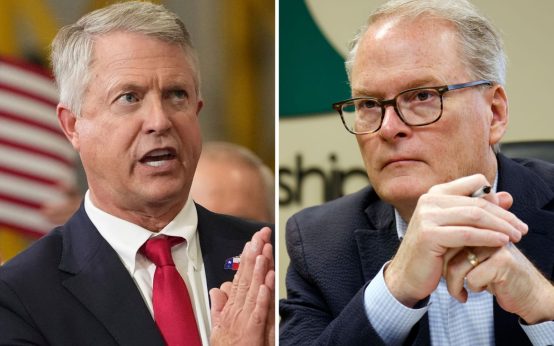 Kansas Senate Race: Competitive Dynamics and Key Figures
 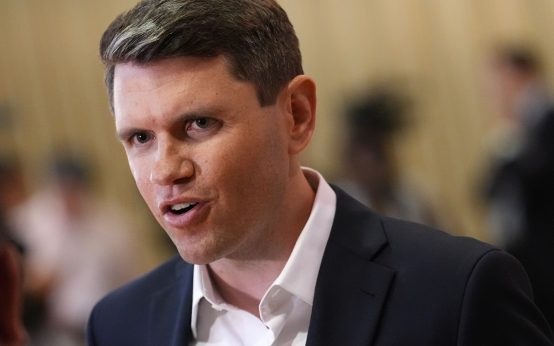 Ken Paxton Accuses James Talarico of Corrupt Practices in Texas Senate Race
  Democratic Leadership: A Potential Shift Toward Governors
 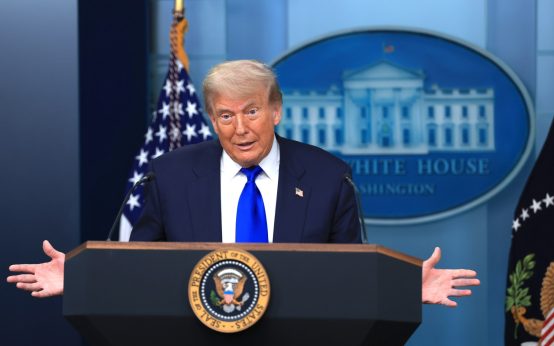 Trump Criticizes Supreme Court Decisions on Tariffs and Citizenship
  Russians Head to the Polls Amidst Ongoing Conflict